Homemade Diets for Pets: Benefits and Risks to Consider
The Growing Trend of Homemade Pet Diets
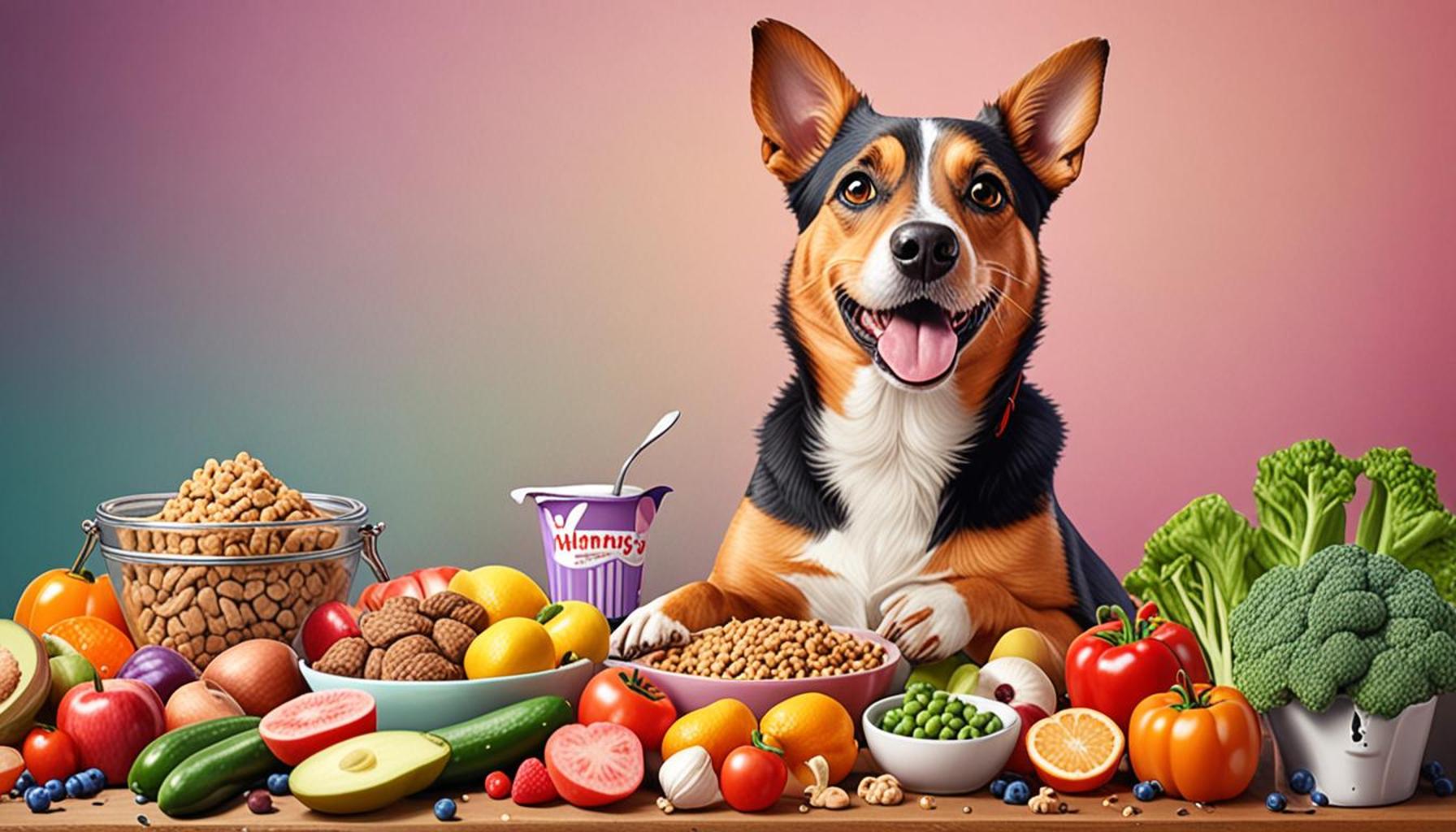
Recently, a notable movement among pet owners is shifting towards homemade diets for pets. This burgeoning trend has emerged from increasing concerns about the ingredients and additives found in commercial pet foods, alongside a desire for pet owners to have greater control over what their furry companions consume. With this newfound freedom comes the responsibility of ensuring pets receive well-balanced and nutritious meals. As you venture into creating homemade pet dishes, it is vital to consider the potential benefits and risks involved.
Benefits of Homemade Diets
- Ingredient Control: One of the most appealing aspects of homemade pet food is the ability to know exactly what goes into each meal. This transparency allows pet owners to select high-quality ingredients and avoid harmful fillers, preservatives, or mystery meats often found in store-bought products.
- Allergy Management: Many pets suffer from food allergies or sensitivities. By preparing meals at home, owners can tailor the diet to exclude specific allergens such as corn, soy, or certain proteins. For example, a dog allergic to chicken can be fed a novel protein source like lamb or turkey, ensuring they receive the nutrition they need without adverse reactions.
- Variety and Freshness: Homemade diets present an opportunity to introduce a diverse array of flavors and textures into a pet’s meals. Pets, much like humans, can become bored with repetitive diets; thus, homemade meals can keep mealtimes exciting and enjoyable. Fresh vegetables, grains, and animal proteins can boost both palatability and nutritional content.
Risks of Homemade Diets
- Nutritional Imbalance: A significant concern surrounding homemade pet diets is the risk of nutritional imbalance. Without proper guidance, pet owners might create meals that lack key vitamins and minerals essential for their pet’s health. Essential nutrients like calcium, omega fatty acids, and certain amino acids must be adequately incorporated into their diet.
- Health Complications: If a pet’s diet is poorly balanced over time, it may lead to various health issues ranging from obesity to more serious conditions like bone deformities or internal organ dysfunction. It’s crucial to ensure that all meals fulfill the dietary requirements specific to the animal’s breed, age, and health status.
- Extra Cost and Time: While homemade diets can be rewarding, they often demand a considerable investment of time and resources. From researching appropriate recipes to sourcing fresh ingredients, the process can be labor-intensive. Additionally, homemade diets can sometimes be more expensive than conventional pet foods, depending on the quality of ingredients chosen.
As pet owners embark on the journey of crafting homemade meals for their beloved companions, understanding these dynamics is paramount. Engaging with professionals, such as veterinarians or certified pet nutritionists, can provide invaluable insights into ensuring a balanced and safe diet tailored specifically for your furry friend. Embracing this culinary approach might just lead to discovering new, nutritious recipes that contribute to the health and happiness of your pet.
DISCOVER MORE: Click here for essential dog food tips
Understanding the Benefits of Homemade Pet Diets
As pet owners increasingly gravitate towards homemade diets, it’s essential to shine a light on the benefits that come from preparing meals for our furry companions at home. Many believe that taking charge of pet nutrition is key to fostering a healthier and happier pet. Here, we delve into the major advantages of homemade pet diets that attract a growing number of pet owners.
Ingredient Transparency
With homemade diets, pet owners can enjoy complete control over ingredients. This transparency is particularly alluring in an age where concerns about the quality of commercial pet food are rampant. Pet owners are empowered to choose high-quality ingredients, ensuring their pets feast on wholesome, nutritious meals made from fresh produce and quality proteins. This not only promotes better health for pets but also builds trust between owners and the food they provide.

Personalized Nutrition for Every Pet
Every pet is unique, with its own dietary needs and preferences. Homemade diets allow owners to tailor meals specifically to their pet’s requirements, which is especially crucial for pets with dietary restrictions. If a dog struggles with certain types of grains or protein, owners can easily create recipes that cater to their pet’s needs, ultimately enhancing their overall well-being. For instance, a hyperactive dog may benefit from a diet rich in omega-3 fatty acids, promoting improved cognitive function and a calmer demeanor.
Exciting Variety
Feeding pets homemade diets can introduce an exciting range of flavors and textures that are often absent from commercial pet foods. Many animals thrive on variety, and incorporating different ingredients not only makes meals more enticing but also beneficial for their vitamin and mineral intake. By rotating proteins, vegetables, and grains, pet owners can provide their pets with a more dynamic diet that prevents boredom during mealtime. For example, a mix of beef, pumpkin, and quinoa can offer an appealing and nutritious meal that keeps pets eager and satisfied.
Improved Digestive Health
In contrast to many commercial pet foods that contain fillers and additives, homemade diets are typically more digestible. Fresh, whole ingredients can promote healthy digestion, leading to a reduction in gastrointestinal issues commonly seen in pets. Moreover, a diet rich in fibers from vegetables can enhance gut health, contributing to better nutrient absorption and overall vitality.
Strengthening Pet-Owner Bonds
There’s a certain joy that comes with cooking for our pets. Preparing homemade meals can enhance the bond between pet owners and their furry friends, elevating mealtime into a shared experience filled with love and care. Watching a pet relish a meal prepared with affection can be rewarding in itself, further solidifying the connection between owner and animal.
The shift towards homemade diets for pets undoubtedly comes with a plethora of benefits. However, alongside these advantages, potential risks must also be weighed, which will be explored in the following section. Educating oneself about both aspects is crucial for making informed decisions that prioritize your pet’s health and happiness.
| Advantages | Considerations |
|---|---|
| Nutritional Control | Ensures your pet receives a balanced diet tailored to their specific needs. |
| Ingredient Transparency | You can choose fresh, organic ingredients without harmful additives. |
| Variety in Diet | Increases the variety of flavors your pet experiences, improving mealtime enjoyment. |
| Health Monitoring | You can closely observe how different foods affect your pet’s health and energy levels. |
| Cost-effective | Homemade diets can reduce costs associated with premium pet foods. |
Exploring the realm of homemade diets for pets opens up a wealth of opportunities while presenting certain risks that should be carefully evaluated. A nutritional control approach lets pet owners tailor diets precisely to their pets’ requirements, potentially leading to improved overall health. Furthermore, ingredients you find at the local store help you maintain ingredient transparency, steering clear of artificial preservatives commonly found in commercial pet foods.However, despite these advantages, pet owners must consider the possibility of nutritional deficiencies, which can arise if meals are not properly balanced. Consulting with a veterinarian or a pet nutritionist is strongly advised to ensure your pet’s homemade meals are well-rounded.
DIVE DEEPER: Click here to discover more
Weighing the Risks of Homemade Pet Diets
While the benefits of homemade pet diets are undeniably attractive, they come with their own set of risks that pet owners need to carefully evaluate. Understanding these potential downsides is essential to making informed choices for your pet’s dietary needs. Here, we explore some of the critical concerns that should be considered.
Imbalance of Nutrients
One of the most significant risks associated with homemade diets is the possibility of an unbalanced nutrient profile. Pets require specific nutrients, vitamins, and minerals in precise amounts for optimal health. A homemade diet lacking essential nutrients can lead to serious health issues over time. For instance, a diet that fails to include adequate levels of calcium or phosphorus can result in skeletal problems, particularly in growing puppies and kittens. Pet owners should consult a veterinarian or a pet nutritionist to ensure that their homemade meals include all required nutrients, or consider using supplements as needed.
Risk of Foodborne Illness
Preparing meals at home carries the risk of foodborne illness for both pets and their owners. Handling raw meat, poultry, or eggs can introduce harmful bacteria such as Salmonella or E. coli, which can cause gastrointestinal distress. It’s crucial for pet owners to understand proper food handling and preparation methods, including safe cooking temperatures and sanitary practices, to minimize these risks. Additionally, using organic or high-quality ingredients can decrease the likelihood of contamination.
Time-Consuming Preparation
Homemade diets often require significant time and effort to prepare. Pet owners must source quality ingredients, meticulously measure portions, and dedicate time daily to meal preparation. This can become overwhelming for busy individuals. The time commitment may lead some owners to revert to commercial diets, especially if they find the overwhelming workload unsustainable. It’s vital to weigh the time investment against the benefits and determine if a homemade diet is practical for your lifestyle.
Potential Allergens
Not all pets may thrive on a homemade diet, particularly those who have food allergies or intolerances. While homemade meals can be tailored to avoid common allergens, they can also inadvertently introduce new ones. For instance, some pets may experience adverse reactions to certain proteins or grains that weren’t previously part of their diet. Monitoring pet reactions closely while introducing new ingredients is essential to avoid potential allergic reactions.
Legal and Regulatory Considerations
In some areas, there are legal regulations surrounding pet food preparation, including requirements for commercial diets to meet certain nutritional standards. Homemade diets do not always comply with these standards, which may pose a legal challenge for sellers or fancy restaurants opting to offer pet meals. Moreover, a lack of regulation could lead to misinformation about the nutritional adequacy of various homemade recipes circulating online. Pet owners must exercise due diligence in seeking credible resources and ensuring the safety and health of their pets through reliable information.
Considering these risks, pet owners must approach homemade diets with caution and informed awareness. Balancing the potential advantages with the challenges and risks will undoubtedly require effort and research, paving the way for a healthier and happier life for our beloved pets. Assessing these factors carefully can be the key to achieving the best outcomes in pet nutrition.
DISCOVER MORE: Click here for essential cat health tips
Conclusion: Navigating the World of Homemade Pet Diets
In conclusion, homemade diets for pets present a compelling option for pet owners keen on providing tailored nutrition that aligns with their animals’ specific needs and preferences. The benefits—including better ingredient quality, customized meal plans, and potential cost savings—undoubtedly make this an attractive choice. However, these advantages are accompanied by significant risks that must be thoroughly assessed.
Pet owners should remain acutely aware of potential nutritional imbalances, the increased risk of foodborne illnesses, and the considerable time commitment required for meal preparation. The challenges of addressing food allergies and navigating legal standards surrounding pet nutrition further complicate the decision to pursue homemade diets. Thus, it is crucial that anyone considering this route not only consults with a veterinarian or a certified pet nutritionist but also commits to diligent research and planning.
Ultimately, embarking on the journey of creating homemade pet diets can lead to a rewarding experience that fosters a deeper connection between owner and pet. By judiciously weighing both the benefits and risks, pet owners can better tailor their approach to suit their lifestyles and their pets’ health, setting the stage for a long, healthy life for their furry companions. The landscape of pet nutrition is indeed evolving, and staying informed will allow pet owners to make the best decisions on behalf of their beloved animals.