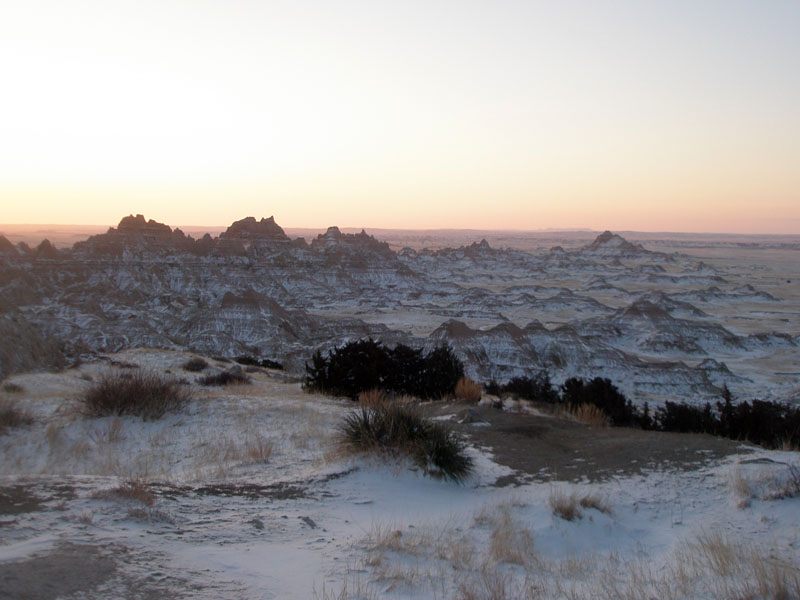
How Badlands Are Formed
Badlands form where soft, sparsely vegetated sedimentary rock is carved rapidly by intense, infrequent rainstorms into dense networks of ridges and gullies.
Read the full article →A library of natural formations
Frontline Earth is a visual, interactive library explaining how mountains, deserts, glaciers, volcanoes, canyons, and other natural landscapes form — and how they keep changing.
Nine processes, one planet
Colliding and shifting plates raise mountains and split continents.
Molten rock reshapes the surface, building cones, islands, and plateaus.
Wind, water, and ice wear rock away, carving canyons and cliffs.
Sediment settles and builds new land across deltas and plains.
Moving ice carves valleys and leaves behind distinctive deposits.
Flowing water cuts channels and reshapes land along its course.
Waves and tides sculpt cliffs, stacks, and shifting shorelines.
Mildly acidic water dissolves rock, hollowing out caves and sinkholes.
Sudden high-speed collisions excavate craters in an instant.
From the library
Badlands form where soft, sparsely vegetated sedimentary rock is carved rapidly by intense, infrequent rainstorms into dense networks of ridges and gullies.
Read the full article →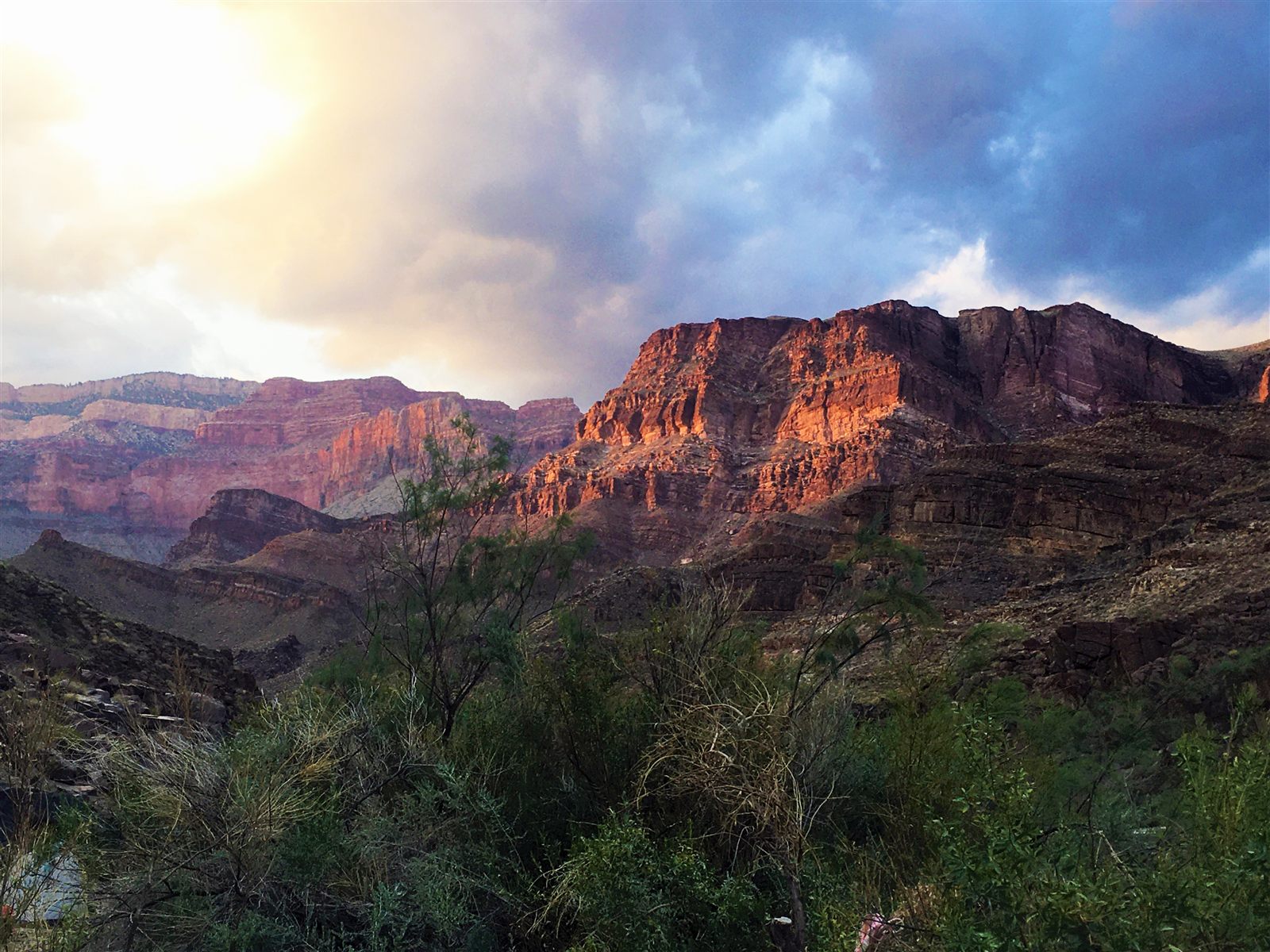
A canyon is a deep, narrow valley with steep walls, usually cut by a river into rock that is being slowly raised by tectonic forces.
Read the full article →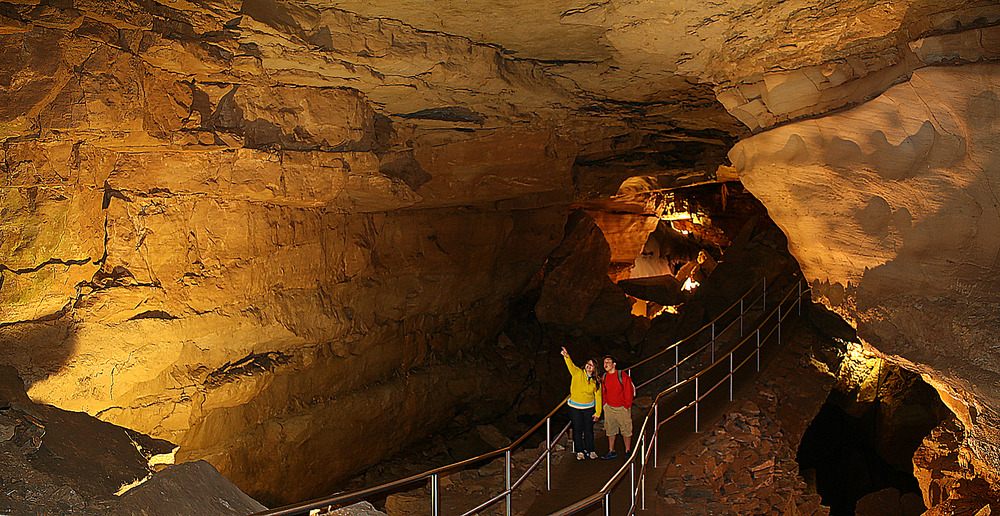
Most large caves form when slightly acidic water slowly dissolves soluble rock, usually limestone, carving out underground passages over thousands of years.
Read the full article →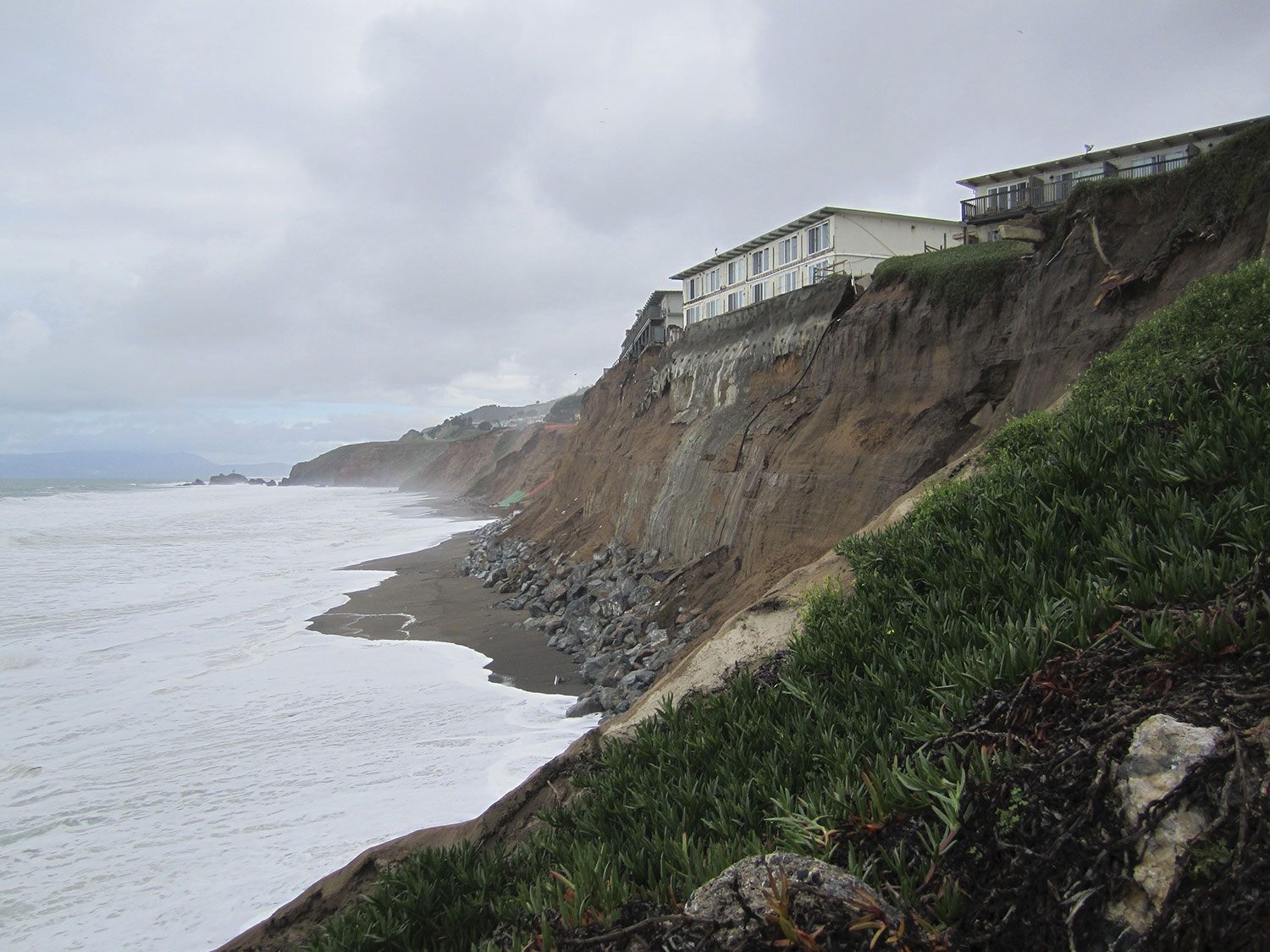
Coastal cliffs form where waves undercut and weather exposed rock faster than it can be removed by gentler processes, leaving a steep edge that slowly retreats inland.
Read the full article →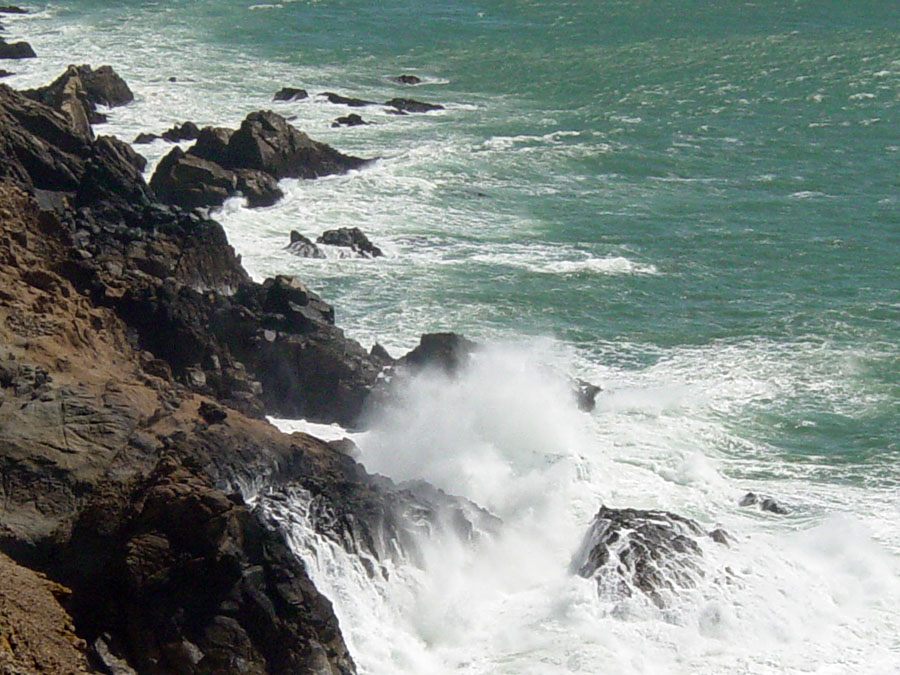
Coastal erosion wears away exposed rock into cliffs, arches, and sea stacks, while the sediment it produces is carried along the shore to build new beaches, spits, and barrier islands elsewhere.
Read the full article →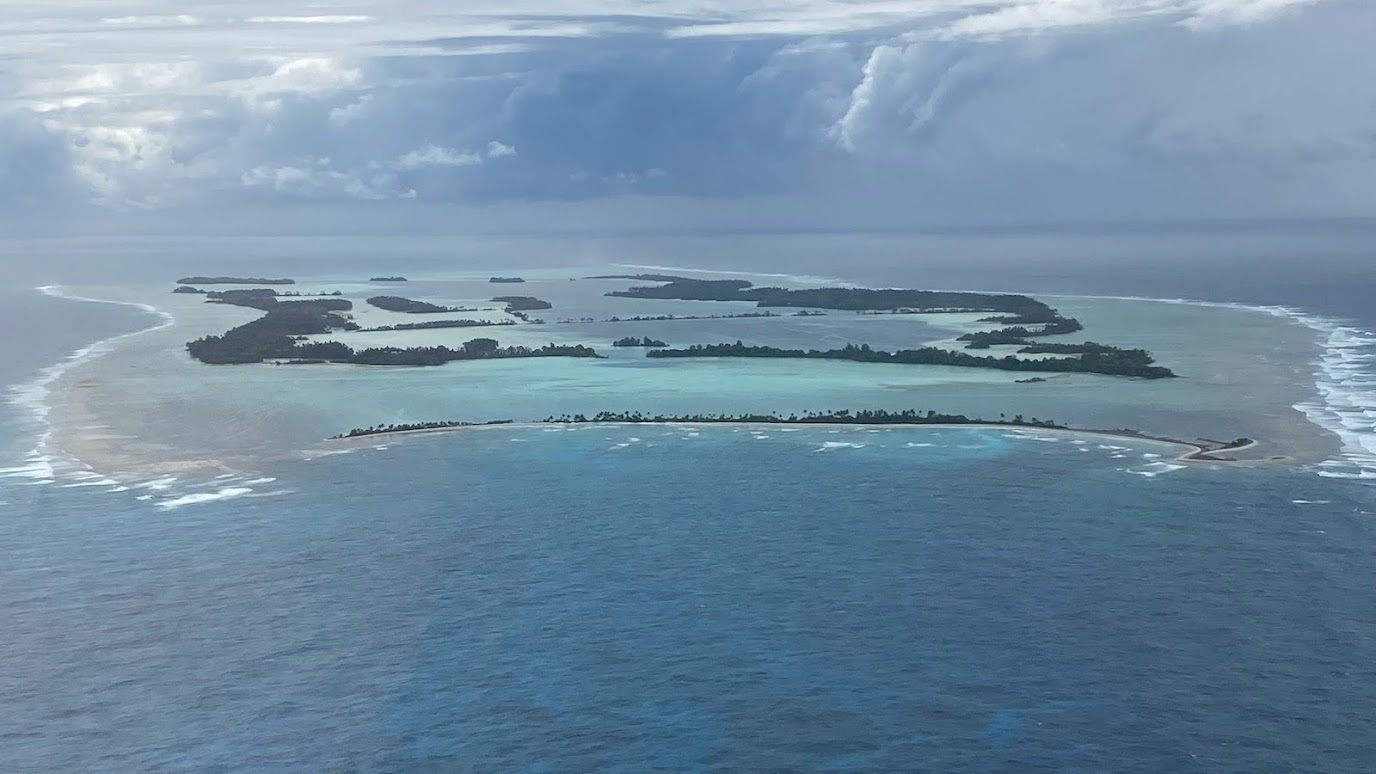
A coral atoll forms when a fringing coral reef continues growing upward around a volcanic island that is slowly subsiding, eventually leaving only a ring of reef and low islands once the volcano sinks below the surface.
Read the full article →Complementary view
The interactive world map places real, named examples of each formation type on the globe, from Mount Everest to the Namib Desert. Every marker links back to the full article, and the same data is available as an accessible list.
Open the world map →