Emerging Trends in Animal Nutrition: Innovations and Sustainability in Pet Feeding
The Evolution of Pet Feeding Practices
With the pet industry booming, pet owners are becoming increasingly aware of how the food they choose for their pets impacts not just their furry companions’ health but also the broader environment. This heightened awareness has led to a significant shift in animal nutrition, influenced by an array of factors including health trends, ecological concerns, and advances in food technology.
One of the most prominent changes is the rise of plant-based diets. As consumers become more conscious of their own dietary choices, many are extending these preferences to their pets. A growing number of brands are now offering vegetarian and vegan pet foods that are formulated to meet nutritional needs while utilizing proteins derived from peas, lentils, and other plant sources. This shift aligns not only with the lifestyle choices of pet owners but also represents a response to concerns about the environmental impact of traditional meat farming, encouraging a more sustainable approach to pet ownership.
Another significant trend is personalized nutrition. Just like human diets are becoming tailored to individual health requirements, the same is happening in the pet food sector. Companies are investing in technology that allows them to create custom formulations based on factors such as breed, age, weight, and health conditions. For instance, brands might offer meal plans specifically designed for pets with allergies or chronic conditions. This level of personalization could potentially enhance a pet’s quality of life and longevity, appealing to the desires of caring pet parents.
Amid these innovations, alternative protein sources are also emerging as a viable option. Insects, algae, and lab-grown meats are gaining popularity in the pet food market. These protein sources require less land and water compared to conventional meat, presenting an eco-friendlier alternative. Companies like Yora and Jiminy’s are already leading the charge, creating high-quality pet foods made from cricket protein or mealworms that are rich in essential nutrients.
Furthermore, there is a strong emphasis on sustainable sourcing. Pet food brands are more frequently prioritizing ingredients that are ethically sourced and environmentally sustainable. Consumers are now asking questions about where their pet food comes from, pushing companies towards transparency in their supply chains. Brands that adopt these practices are likely to gain a competitive edge, as pet owners increasingly prefer goods that respect both animal welfare and environmental sustainability.
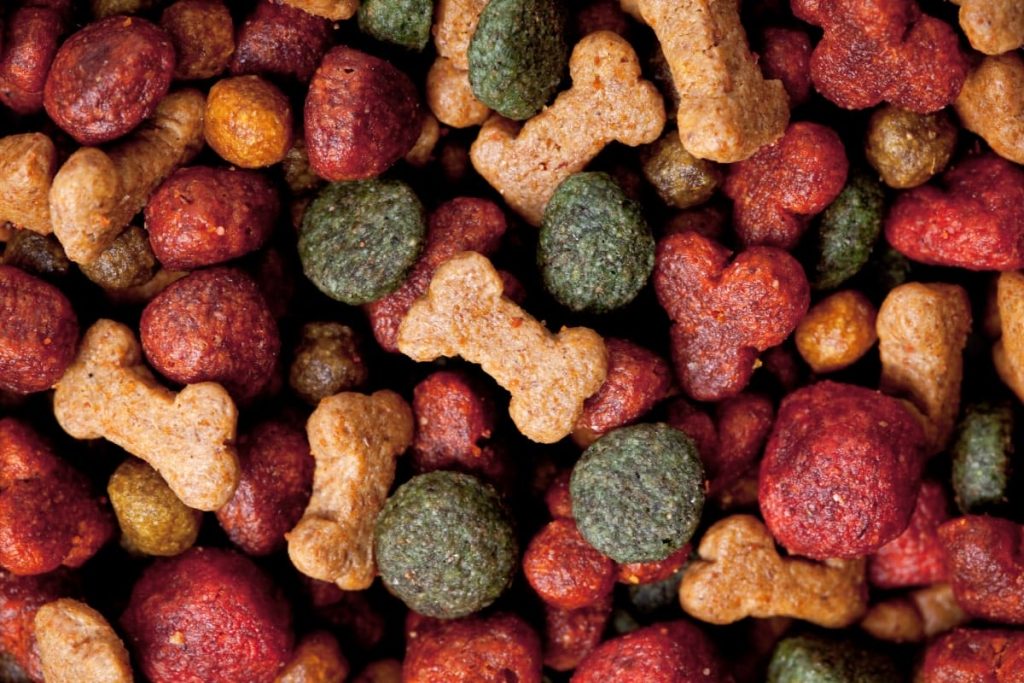
In conclusion, the world of pet nutrition is rapidly evolving, driven by consumer demands for health, sustainability, and animal welfare. As we navigate this landscape, it is crucial to remain informed about these changes to make decisions that benefit both our pets and the planet. The interconnection of nutritional science and environmentally-friendly practices not only enhances the health of our cherished companions but also aligns with a more responsible and conscious approach to pet ownership in modern society.
DISCOVER MORE: Click here to learn about the best diet for your cat
Revolutionizing Pet Nutrition Through Advanced Ingredients
As awareness grows surrounding the health and nutritional needs of pets, the industry is continuously innovating to meet these demands. The incorporation of functional ingredients into pet food has rapidly gained traction. Pet parents are not only looking for basic nourishment but also for foods that offer additional health benefits, such as improved digestion, a shiny coat, and stronger immunity. Ingredients like probiotics, omega fatty acids, and antioxidants are being integrated into formulations to boost overall pet wellness.
Moreover, the increasing trend towards whole food ingredients is reshaping consumer expectations. Pet owners are beginning to view their pets’ food through the same lens they apply to their own diets. This perspective has led to a demand for foods made from wholly recognizable ingredients, without fillers and artificial additives. Brands are responding by showcasing ingredient lists comprised of high-quality meats, grains, vegetables, and fruits. Some examples of these wholesome ingredients include:
- Quinoa: A gluten-free grain packed with proteins and essential amino acids.
- Blueberries: Known for their antioxidants that support cognitive health.
- Sweet potatoes: A rich source of fiber and vitamins that promote healthy digestion.
Yet, while innovative ingredients are gaining popularity, the industry is not without challenges. As highlighted by various research reports, a growing demand for sustainable practices necessitates a careful balance between sourcing innovative ingredients and ensuring they are harvested responsibly. Companies are increasingly seeking ways to incorporate locally sourced components, drawing attention to the importance of reducing carbon footprints associated with transportation. This move towards efficiency not only caters to consumers’ growing concern for sustainability but also champions local economies.
Another noteworthy transformation is the commitment to transparency in labeling. Pet owners, particularly millennials and Gen Zs, are ardently scrutinizing ingredient lists and demand clarity about sourcing and production methods. Brands that provide detailed information on their packaging, such as the origin of ingredients and the production processes, are resonating more with this segment of pet owners. In fact, studies show that 73% of pet owners want more information about the pet food they buy, indicating a strong shift towards informed purchasing decisions.
To encapsulate these emerging trends, it is evident that the pet food industry is on the cusp of a significant transformation. The confluence of health-focused innovation, sustainable sourcing, and ingredient transparency drives the evolution of pet nutrition as we understand it today. As these trends continue to unfold, it becomes paramount for pet owners to stay informed and proactive in their choices, thereby enhancing their pets’ well-being while supporting environmentally responsible practices.
| Innovation Category | Key Features |
|---|---|
| Alternative Protein Sources | Insect proteins, plant-based proteins, and lab-grown meats are gaining traction for their environmental benefits and nutritional values. |
| Sustainable Ingredients | Ingredients sourced from sustainable practices minimize carbon footprints and promote animal welfare while maintaining high nutritional standards. |
As we delve deeper into the topic of emerging trends in animal nutrition, it becomes increasingly evident that pet owners are becoming more conscious of what they feed their companions. The shift toward alternative protein sources not only meets pets’ dietary needs but does so with a lower ecological impact. For instance, insect proteins are rich in essential amino acids and require significantly less land and water than traditional livestock farming.Moreover, sustainable ingredients are not only beneficial for the planet but also beneficial in terms of pet health. Using ingredients that adhere to sustainable practices can lead to a higher level of transparency for consumers, providing assurance that their pets are consuming wholesome and ethically sourced nutrition. Brands are now investing in transparency and traceability measures, allowing pet owners to feel confident in their choices.Incorporating these innovations not only revolutionizes pet feeding but also aligns with a larger movement towards responsible consumption. As the demand for such products grows, it becomes paramount for manufacturers to embrace these trends in order to meet consumer expectations while paving the way for a sustainable future in pet nutrition. The transformation underway offers an exciting glimpse into the future possibilities of how we nourish our pets.
LEARN MORE: Click here for essential tips
Personalized Nutrition: Tailoring Diets for Optimal Health
In a world increasingly attuned to individualized health solutions, personalized nutrition is emerging as a groundbreaking trend within the pet food industry. Just as many humans rely on customized meal plans to suit their specific health needs, pet owners are beginning to see the value in tailored diets for their furry companions. This approach considers not only the breed and size of the pet but also their age, activity level, and any existing health conditions. Advanced technology has joined forces with nutritional science to create formulas that cater to these varied needs.
Innovative companies are harnessing the power of data analytics and artificial intelligence to develop unique nutrition profiles for pets. For instance, platforms that enable pet owners to input their pet’s data generate customized food recommendations based on comprehensive nutritional databases and research. This trend is facilitating better health outcomes through precision feeding, which is increasingly regarded as a game-changer in pet wellness.
Moreover, subscription-based models are on the rise, aligning seamlessly with the personalized nutrition trend. These services allow pet owners to receive tailored meals delivered to their doorsteps at regular intervals, minimizing the effort involved in sourcing the right nutrition while fostering a consistent feeding routine. For many, the convenience coupled with the knowledge that their pets are receiving meals specifically designed for their needs makes this model exceptionally appealing.
Sustainability and Ethical Sourcing: A Commitment to the Planet
As environmental consciousness permeates consumer choices, the demand for sustainability in pet nutrition is on an upswing. Pet owners are increasingly scrutinizing not just what’s in their pets’ food, but also how those ingredients are sourced. This has resulted in a notable shift towards ethically sourced protein, with brands exploring alternative protein sources such as insects, plant-based proteins, and lab-grown meats. These alternatives promise to significantly reduce the carbon footprint typically associated with traditional meat production while still meeting the protein requirements of pets.
Brands that adopt meticulous sustainability practices are winning over discerning consumers who wish to make responsible choices. For example, companies that adhere to certified humane standards or those that prioritize fair trade practices are showcasing their commitment to animal welfare and environmental stewardship. Research shows that 62% of pet owners are willing to pay more for sustainable pet food, underscoring the importance of transparency in production methods and ingredient sourcing.
The Role of Technology in Enhancing Pet Feeding Practices
Technological advancements are also playing a pivotal role in innovating pet feeding practices. Smart devices and apps that track pets’ dietary habits are becoming commonplace, providing owners with valuable insights into their pets’ eating patterns and health metrics. These tools can help identify potential issues with diet or health, facilitating timely interventions.
As pet owners leverage these technologies, companies are responding by integrating smart features into their products, such as automatic feeders with portion control capabilities and nutrition tracking apps. This intersection of technology and nutrition is not only enhancing pet care but is also setting new standards for how pet food is formulated, marketed, and delivered.
This dynamic landscape of personalized nutrition, sustainability, and technological innovation is reshaping the future of pet feeding in ways that promise to foster healthier pets and a healthier planet. It lays the groundwork for an exciting evolution in pet nutrition, making responsible choices more accessible to pet owners across the United States and beyond.
DISCOVER MORE: Click here to learn about the benefits of a balanced diet for your dog
Conclusion: Charting the Future of Pet Nutrition
The emerging trends in animal nutrition highlight a transformative shift in how pet owners approach feeding their companions. From personalized diets that cater to the unique health needs of each animal, to a growing emphasis on sustainability and ethically sourced ingredients, the landscape of pet nutrition is evolving significantly. These movements reflect broader societal changes, where consumers are becoming increasingly aware of the impact their choices have on both their pets’ health and the planet.
As the pet food industry embraces technological innovations, the incorporation of data analytics and smart devices is paving the way for more informed feeding practices. This fusion not only personalizes nutrition but also empowers pet owners to monitor and enhance their pets’ well-being proactively. Moreover, the rise of subscription-based models simplifies access to quality nutrition, reinforcing the notion that tailored feeding solutions are no longer a luxury but a feasible reality for many.
In a country where over 60% of pet owners express a willingness to invest more in sustainable options, brands that prioritize responsible sourcing and transparent production processes are likely to thrive. The commitment to reducing environmental impact through alternatives like insect protein and plant-based meal options signifies a conscientious approach that resonates with today’s ethically-minded consumers.
As we look forward, the intersection of innovation, personal health, and environmental sustainability will shape the future of pet nutrition. These trends not only offer exciting prospects for better pet health but also encourage pet owners to become active participants in nurturing a sustainable planet. The journey ahead promises to be enriching, but it also invites ongoing exploration and adaptation to meet the ever-evolving needs of our beloved pets.