
Preventative Care Tips for Maintaining Your Cats Dental Health
Oral health is often overlooked in our feline friends, yet it plays a crucial role in their overall well-being. Regular dental care can prevent a range of issues, from bad breath to serious infections, enhancing your cat’s life quality. Understanding preventative care is essential for every cat owner aiming for a long and healthy companionship with their pet.
Felines, like humans, are susceptible to dental diseases, which can lead to discomfort and other health complications. Studies indicate that approximately 70% of cats show signs of dental disease by the age of three, highlighting the importance of proactive measures. This emphasizes the need for cat owners to be vigilant and informed about maintaining their cats’ dental health.
In this article, we will explore the Top 5 preventative care tips that every pet parent should consider. These practical and manageable suggestions will help you safeguard your cat’s dental health and improve their quality of life. Get ready to discover how simple steps can lead to significant health benefits for your furry companion!
Top 5: Preventive Care Tips to Maintain Your Cat’s Dental Health
Dental health is more than just a sparkling smile—it’s a crucial aspect of your cat’s overall well-being. Many cat owners might not realize that their feline companions require regular oral care. Cats, much like humans, are susceptible to dental diseases that can lead to severe health issues if left unaddressed. Maintaining your cat’s dental health not only contributes to a happy pet but also adds to their longevity. In this article, we will explore the top five preventive care tips that can help keep your cat’s teeth and gums in optimal condition, ensuring they lead a joyful and pain-free life.
5. Regular Veterinary Check-Ups
Having regular veterinary check-ups for your cat is fundamental to maintaining their dental health. These frequent visits allow for professional evaluations of your cat’s mouth, making it possible to catch early signs of oral diseases like gingivitis or periodontal disease. Early detection can prevent more serious complications down the line, such as tooth loss or infections that could spread to other parts of the body.
The importance of these check-ups cannot be overstated:
- Young and healthy cats should have at least one annual check-up, but more frequent visits may be necessary for senior cats or those with pre-existing conditions.
- During each visit, veterinarians have the opportunity to clean up tartar and do a thorough examination that might not be possible at home.
- Veterinarians can provide guidance on dental products and techniques best suited for your pet’s specific dental health needs.
Poor dental health can also manifest as changes in your cat’s behavior, such as reduced appetite or increased irritability. If you notice these signs, it’s vital to consult your vet immediately. Your veterinarian is your partner in keeping your cat’s mouth healthy and should be proactive in discussing this crucial aspect of your pet’s health.
4. Introduce Dental Treats
Dental treats can play an enormous role in maintaining your cat’s oral hygiene. Specially formulated, these treats are more than just tasty snacks. They are designed to mechanically clean the surfaces of the teeth and reduce the buildup of plaque. Introducing them as part of your cat’s routine can be a delightful blend of dental care and reward.
When selecting dental treats, look for products that bear a veterinary seal of approval. These are formulated specifically for oral health management and provide a safe and easily accessible method to support dental care.
Offering these treats regularly not only aids in keeping your cat’s teeth clean but can also be a form of positive reinforcement. This promotes an enjoyable experience and aids in your pet’s acceptance of their dental care regimen.
3. Daily Teeth Brushing
Brushing your cat’s teeth might seem like a daunting task but it is one of the most effective ways to maintain their dental health. Daily teeth brushing drastically reduces tartar buildup, helps to prevent gum diseases, and keeps bad breath at bay—a significant indicator of oral health issues.
To make this process more manageable:
- Start gradually, allowing your cat to get familiar with the taste and feel of the pet-specific toothpaste and brush.
- Use only toothpaste made for pets—human toothpaste can be toxic to cats.
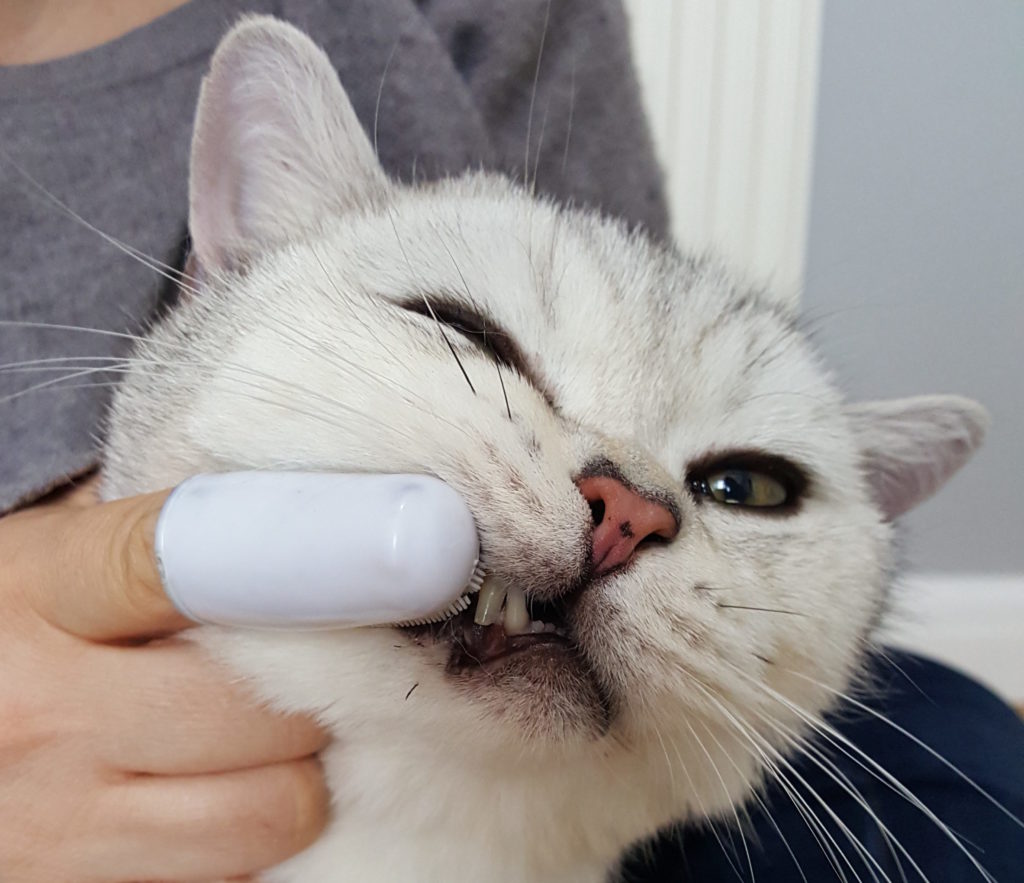
- Try using finger brushes if your cat resists the traditional toothbrush. Be patient and gentle throughout the process.
Consistency is key. Although it might take time, over weeks or months, your cat will associate teeth brushing with a routine and might even come to expect it as part of their daily pampering.
2. Encourage Water Intake
Hydration plays a surprisingly vital part in your cat’s dental health. Encouraging proper water intake can assist in minimizing the formation of tartar and helps cleanse the mouth. Proper hydration is essential because it keeps saliva production optimal, and saliva naturally inhibits bacterial growth in the mouth.
Here are several methods to encourage your cat to drink more water:
- Always provide fresh, clean water to encourage hydration.
- Consider investing in a pet water fountain as cats are often attracted to moving water.
- Incorporate wet food into their diet, as it adds moisture to their diet and increases overall water intake.
By promoting effective hydration, you’re not only supporting dental health but also the overall kidney function, offering a dual benefit that enhances your cat’s vitality.
1. Routine Home Care Products
To cap off our list, the integration of routine home care products into your cat’s dental routine can bridge care between veterinary exams. These include dental sprays, solutions that can be added to water, and dental wipes. They’re designed to reduce plaque and freshen your cat’s breath, making dental care more efficient daily.
Choosing the right products is essential:
- Consult your veterinarian to find products tailored specifically to your cat’s dental needs.
- Use these products consistently for best results—they’re meant to complement, not replace, regular brushing and vet visits.
- Follow the instructions provided with each product to ensure safety and efficacy.
These products contribute an additional layer of care that protects your cat’s dental health, ensuring they enjoy a pain-free, vibrant life.
In summary, maintaining your cat’s dental health requires a multifaceted approach, including regular vet visits, daily brushing, dental treats, and proper hydration. Implementing these strategies will ensure your feline companion remains healthy and happy, contributing positively to their overall longevity and quality of life.
| Category | Details |
|---|---|
| Regular Dental Checkups | Routine visits to the veterinarian help in early detection of dental problems such as gingivitis or periodontal disease, reducing the risk of further complications. |
| Dental Care Products | Adopting specialized toothpaste and brushing tools designed for cats can significantly enhance at-home dental hygiene, promoting fresher breath and reducing plaque build-up. |
| Dental-Friendly Diets | High-quality cat foods formulated for dental health can prevent tartar accumulation and support overall oral hygiene. Ingredients like crunchy kibble can help scrub away plaque as cats chew. |
| Routine Teeth Cleaning | Professional cleanings under anesthesia may be necessary for more severe cases of dental disease. This ensures that hidden plaque and tartar buildup beneath the gum line is thoroughly removed. |
Keeping your cat’s dental health in check is not a mere suggestion but a necessity for their overall well-being. Many cat owners may be unaware that poor dental hygiene can lead to serious health issues, including infections that may affect the heart and kidneys. It is crucial to initiate a comprehensive dental care routine that is tailored to the specific needs of your feline friend.Incorporating regular dental checkups into your cat’s healthcare regimen can uncover hidden problems and facilitate early intervention, thus maintaining their health and longevity. Pairing these visits with the use of dental care products such as specially formulated toothpaste can also enhance the effectiveness of any oral hygiene efforts conducted at home.Furthermore, understanding the significance of a dental-friendly diet is essential. Not all cat foods are created equal; those that focus on dental health can contribute immensely to managing plaque and tartar. Explore the features of various brands and consider incorporating treats designed specifically for dental care as part of your cat’s routine.As you work towards better dental health for your feline, regular teeth cleaning sessions may need to be included in your plan. Professional cleanings not only refresh your cat’s mouth but can also be critical in preventing more severe oral diseases down the road. By implementing these thoughtful strategies, you can ensure that your cat enjoys a vibrant and healthy life, free from the discomfort of dental issues.
Frequently Asked Questions About Preventive Dental Care for Cats
What are the common signs of dental problems in cats?
Recognizing dental issues early can prevent severe health complications. Common signs include bad breath, difficulty eating or a change in eating habits, excessive drooling, and bleeding or swollen gums. If your cat is showing any of these symptoms, it’s crucial to consult with a veterinarian promptly.
How often should I brush my cat’s teeth?
Ideally, you should brush your cat’s teeth daily to ensure optimal oral health. However, if that’s not feasible, aim for at least several times a week. Using a toothbrush specifically designed for cats and a toothpaste formulated for felines can make the process smoother for both you and your pet.
How can diet influence my cat’s dental health?
Diet plays a significant role in maintaining dental health. Certain dry foods are designed to reduce plaque buildup by scraping against the teeth as your cat chews. Additionally, specialized dental treats can aid in keeping teeth clean. Ensure that your cat’s diet is balanced and seek guidance from a veterinarian for tailored advice.
What professional dental care options are available for cats?
Professional dental care for cats typically includes regular examinations and scaling and polishing procedures provided by a veterinarian. These services can help remove tartar and plaque that routine brushing might miss. It’s recommended to schedule annual dental check-ups with your vet to maintain your cat’s oral health.
Are some cat breeds more prone to dental problems than others?
Yes, certain breeds are known to have a higher risk of dental issues. For instance, Siamese cats tend to develop periodontal disease more frequently. Understanding the specific needs of your cat’s breed can help you take proactive steps in preventing dental problems. Discuss with your vet about any breed-specific concerns you might have.
Conclusion
Maintaining the dental health of our feline companions is crucial not only for their oral hygiene but also for their overall well-being. Throughout this article, we’ve explored the importance of preventive dental care and highlighted essential steps to ensure your cat’s teeth and gums remain in optimal condition. Implementing these strategies can significantly enhance their quality of life.
Firstly, we emphasized the necessity of regular veterinary check-ups to identify and address potential dental issues early. These visits are critical as cats are adept at masking discomfort, making it difficult for owners to detect problems without professional guidance.
Furthermore, the integration of dental-friendly diets into your cat’s nutritional plan plays a pivotal role in preventing plaque buildup. These specially formulated diets can help in reducing tartar and maintaining dental hygiene effectively.
Additionally, establishing a routine for home dental care, including brushing your cat’s teeth with pet-safe toothpaste, is a proactive step towards preventing dental diseases. This practice, though initially challenging, can become a manageable part of your care routine with patience and consistency.
Finally, offering dental treats and toys designed to combat dental problems provides an enjoyable way for cats to maintain their oral health. These products can help reduce tartar and stimulate your cat’s enthusiasm for dental care.
Dental health is a vital component of your cat’s overall health, and with these preventive measures, you can help minimize the risk of oral diseases. Cats are more than just pets; they are part of the family. By taking these proactive steps, you can ensure they lead healthier, happier lives. Prioritize their dental care and explore further resources to stay informed about the latest developments in feline oral health. Your cat will thank you for it.