Training Techniques to Reduce Pet Anxiety Effective Tips for Calmer Pets

Understanding Pet Anxiety
Pets, much like humans, experience a range of emotions, including anxiety. This condition can stem from various triggers such as loud noises, changes in their environment, or separation from their owners. Recognizing and addressing these anxieties is crucial for ensuring the well-being of our furry companions.
Importance of Reducing Anxiety
Reducing anxiety in pets not only enhances their quality of life but also strengthens the bond between pet and owner. Calm pets are generally happier and healthier, leading to fewer behavioral issues. Employing effective training techniques can significantly help manage and mitigate anxiety symptoms.
What You Will Discover
In this article, we will explore the top 5 training techniques specifically designed to alleviate anxiety in pets. Each technique will be discussed in detail, providing you with actionable insights to implement at home. Prepare to learn effective strategies that will transform your pet’s experience and promote a serene environment for both of you.
Top 5 Techniques to Reduce Anxiety in Pets
Pets, much like humans, experience anxiety and can find certain situations distressing. This anxiety manifests in various ways, including excessive barking, destructive behavior, and even health problems. As pet owners, it is vital to understand how this anxiety affects our furry companions and explore effective training techniques that can alleviate their stress. From the playful antics of puppies to the curious exploration of kittens, and even among more exotic pets, anxiety does not discriminate. Let’s dive into these techniques to provide our beloved pets the comfort and calm they deserve.
5. Consistent Routine
Establishing a consistent routine can be a game-changer when it comes to minimizing anxiety in animals. Pets thrive in environments where they can predict what’s coming next. This predictability not only calms them but also helps in fostering a sense of security.
Feeding Times: Serving meals at the same time each day is not just about nutritional needs; it’s about creating a reliable pattern. When pets know that their food is coming at a particular time, it reduces nervous anticipation and helps settle their nerves.
Walks and Playtime: Just as humans might use exercise to relieve stress, regular physical activity in the form of walks or play is crucial for pets. It provides an outlet for excess energy and stimulates them both physically and mentally, reducing anxiety levels.
Sleep Schedule: Creating a designated space for rest and maintaining a consistent bedtime can greatly enhance a pet’s sense of security. This space should be away from the hustle and bustle of the household, providing a peaceful refuge.
The predictability of a routine lets pets know what to expect, greatly diminishing their anxiety. A consistent pattern in daily activities can transform a pet’s well-being. Remember, consistency is key!
4. Desensitization Training
Desensitization is a well-regarded method that involves gradually exposing pets to anxiety-inducing stimuli in a controlled environment. This method methodically helps pets build tolerance to triggers that might typically provoke a stress response.
Identify Triggers: Identifying what specifically causes anxiety is the first and most crucial step. These can include loud noises, the presence of strangers, or certain environments.
Gradual Exposure: Begin by introducing the trigger in a non-threatening way. For instance, if a pet is afraid of thunderstorms, playing a recording of thunder at a very low volume and gradually increasing it can be effective.
Positive Reinforcement: Reward pets with treats, affection, or play whenever they respond calmly to a trigger. This teaches them that it’s possible to experience these situations without negative outcomes.
This technique requires patience and persistence but can lead to significant improvements in a pet’s ability to manage anxiety-inducing situations.
3. Positive Reinforcement Training
Positive reinforcement is a favored approach in addressing various behavioral issues, including anxiety in pets. Rather than focusing on punitive measures, this technique rewards desired behavior, thereby encouraging its repetition.
Treats and Praise: When a pet exhibits calm behavior, promptly rewarding them with treats and verbal praise reinforces that they are doing well.
Clicker Training: Using a clicker can enhance positive reinforcement by clearly marking the behavior being rewarded. The sound is distinct and can help pets quickly associate their actions with the positive feedback.
Avoid Negative Reinforcement: Avoid strategies that involve punishment, as they can heighten anxiety and create a negative association with training or the environment.
This approach fosters trust, security, and confidence in pets, empowering them to overcome anxiety.
2. Creating a Safe Space
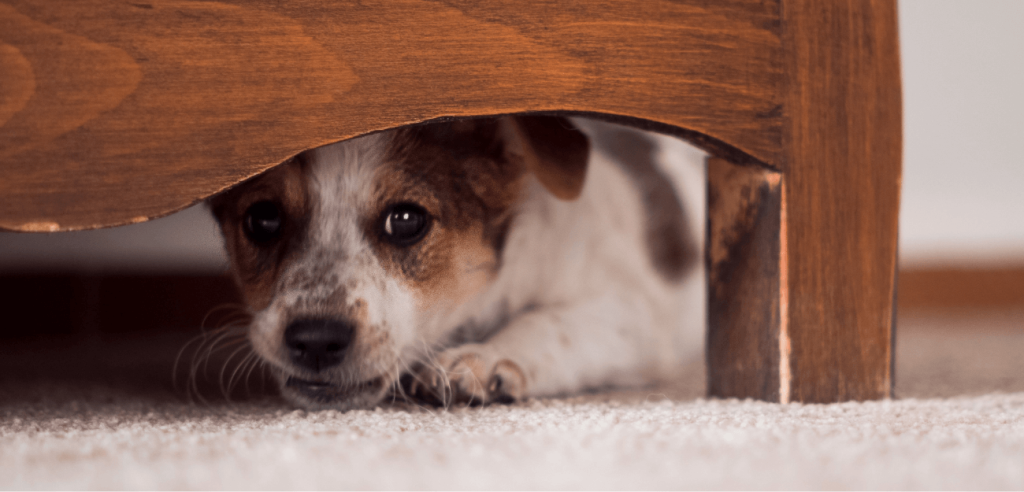
Providing a safe space is another effective strategy. This space serves as a sanctuary where pets can retreat during stressful events, ensuring they have a secure haven to escape to when overwhelmed.
Comfortable Bedding: The environment should be cozy and inviting, whether through a soft bed, blanket, or your own clothing item that holds your scent.
Familiar Items: Including familiar toys or items that carry the owner’s scent can provide comfort and reassurance.
Quiet Environment: Select a location that is far from heavy foot traffic or loud noises, offering peace and solitude to help pets settle and feel at ease.
By having ownership of a personal hideaway, pets gain a sense of control over their surroundings, considerably reducing stress and anxiety.
1. Professional Behavioral Therapy
When more common techniques fall short of easing a pet’s anxiety, it can be beneficial to consult a professional pet behaviorist. These experts possess the expertise required to address specific behavioral problems, often working wonders where other techniques might fail.
Customized Training Plan: Professionals can tailor a training program to align with the unique needs of your pet, based on thorough assessments and observations.
Expert Guidance: These specialists provide insights into behavioral triggers that might escape a pet owner’s notice, offering guidance on how to address them effectively.
Ongoing Support: Continued support from a professional ensures that both the pet and owner stay on track, monitoring progress, and making adjustments as necessary.
Investing in professional help can lead to profound and lasting changes in a pet’s behavior, serving as an incredibly effective solution for reducing anxiety.
Ultimately, understanding and addressing pet anxiety requires a combination of patience, knowledge, and empathy. These techniques act as a pathway to help pets live more relaxed, joyful lives and strengthen the bond between them and their owners. As we continue to learn about our four-legged friends’ emotional world, we become better caretakers and companions. If these strategies raise your concerns about your pet’s anxiety, seeking further information or professional advice will undoubtedly be a rewarding step.
| Category | Description |
|---|---|
| Behavioral Training | Utilizing positive reinforcement techniques helps pet owners effectively reduce anxiety by encouraging desired behaviors and establishing strong, trust-based relationships with their pets. |
| Desensitization | This technique involves gradually exposing pets to stressful stimuli in a controlled manner, helping them learn to cope with their fears over time, which is particularly beneficial for pets anxious about loud noises or new environments. |
| Mindfulness Training | Incorporating mindfulness exercises, such as calming massage or slow, deep breathing alongside your pet, can promote relaxation and help create a peaceful environment that reduces anxiety for both the animal and the owner. |
| Environmental Enrichment | Implementing toys, puzzles, and interactive activities into a pet’s routine can distract them from anxiety triggers while also providing essential mental stimulation, promoting emotional well-being and reducing stress levels. |
Frequently Asked Questions About Training Techniques to Reduce Anxiety in Pets
What are the most common signs of anxiety in pets?
Recognizing anxiety in pets is crucial for effective intervention. Common signs include excessive barking or meowing, destructive behavior like chewing furniture, attempts to escape, trembling, and aggressive behavior. In some cases, pets might excessively lick or groom themselves. Understanding these signs is the first step towards identifying anxiety problems.
How can training help in reducing anxiety in pets?
Training techniques can play a significant role in managing and reducing anxiety. Methods such as desensitization and counter-conditioning are often utilized. Desensitization exposes pets to anxiety-inducing stimuli in a controlled manner, while counter-conditioning involves changing a pet’s response to these stimuli. By consistently applying these techniques, pets can gradually overcome their fears.
Are there specific training tools that can assist in managing pet anxiety?
Several tools can aid in training to manage anxiety. Calming collars, featuring pheromone technology, can provide a soothing effect. Weighted blankets offer comfort to some pets, akin to swaddling a baby. Additionally, interactive toys can distract and stimulate pets, helping to redirect anxious energy positively.
Can other forms of therapy complement training techniques to alleviate pet anxiety?
Yes, other therapies can enhance the effectiveness of training techniques. Behavioral therapy from a certified animal behaviorist might be recommended. In some cases, veterinary-prescribed medication may be necessary to manage severe anxiety. Additionally, therapies like acupuncture or massage have shown promising results in reducing anxiety levels in pets.
Is professional help necessary, or can I train my pet by myself?
While some pet owners successfully manage anxiety with diligence and patience, others may benefit from professional assistance. Seeking the help of a professional trainer or animal behaviorist ensures that techniques are applied correctly and are tailored to your pet’s specific needs. Professional guidance can expedite the anxiety reduction process and provide peace of mind.
Conclusion: Addressing Pet Anxiety Through Training
In conclusion, addressing anxiety in pets through training techniques is an essential aspect of enhancing their quality of life. As highlighted, animals, much like humans, can suffer the ill effects of anxiety, and it is our responsibility as pet owners to provide them with manageable tools to cope. Techniques such as positive reinforcement, desensitization, and creating a safe environment are key strategies that contribute significantly to alleviating anxiety in pets. These methods are not only effective but also promote a stronger bond between pets and their owners.
The article emphasized several practical approaches to reduce anxiety, including understanding the triggers that provoke anxious behavior, consistency in training sessions, and the importance of patience. Owners should be attentive and responsive to their pets’ needs, which include recognizing signs of stress and providing appropriate soothing interventions. Additionally, the application of technology, such as anxiety-reducing apps and devices, can complement traditional training for some pet species.
Understanding each pet’s unique personality and responses to different stimuli is crucial in tailoring a training plan that works best for their individual needs. Furthermore, consulting with veterinary professionals and behavior specialists can offer invaluable guidance and insights.
The significance of this topic extends beyond behavioral management; it reflects a commitment to responsible pet ownership and compassionate care. By investing time and resources in effective training techniques, we lay the groundwork for healthier and happier pets. Encouraging further investigation into advanced training methodologies and staying informed about behavioral science developments can only enhance our approach to managing pet anxiety, thus contributing to their overall well-being.