Pet Nutrition When How to Use Nutritional Supplements Safely
As pet owners, ensuring the health and well-being of our furry companions is a top priority. In recent years, nutritional supplements have gained popularity as a way to enhance pets’ diets, addressing specific health needs and improving overall vitality. These supplements can include anything from vitamins and minerals to probiotics or fatty acids, all designed to bolster your pet’s health. However, with numerous options available, knowing when and how to use these supplements properly is crucial.
Understanding Your Pet’s Supplement Needs
Understanding the right type of supplement for your pet’s age, breed, and health status is essential. An older dog may benefit from joint supplements rich in glucosamine and chondroitin, while a growing kitten might need extra calcium for bone development. By taking the time to assess each pet’s unique needs, owners can provide targeted support that complements a balanced diet.
Considerations for Choosing Supplements
- The potential benefits of supplements in various life stages: Puppies and kittens may need different nutrients compared to older pets. Consider their growth phase, energy level, and activity to tailor supplementation.
- Common types of supplements and their intended uses: Omega-3 fatty acids for skin and coat health, probiotics for digestive support, or antioxidants for immune function are popular choices.
- Consulting with veterinarians for tailored advice: A veterinarian’s guidance is invaluable in selecting the right supplements, ensuring they align with any medical conditions or specific needs your pet may have.
To provide further insights, this article will explore the top 5 nutritional supplements for pets, shedding light on what each offers and how they can improve the lives of our beloved animals. Join us as we delve into the specifics of enhancing your pet’s nutrition safely and effectively, ultimately leading to a healthier, happier life for your furry friend.
Top 5 Nutritional Supplements: When and How to Use Them in Pet Nutrition
When it comes to ensuring our pets lead healthy, vibrant lives, nutrition plays a pivotal role. Our furry companions, much like us, need a balanced diet filled with essential nutrients to thrive. With busy lifestyles and popular store-bought pet foods often lacking in certain areas, nutritional supplements have emerged as a game-changer. These supplements can provide indispensable vitamins, minerals, and other nutrients that might be missing from a regular diet. However, knowing which supplements are most beneficial, when to introduce them, and how much to administer can be daunting. This article delves into the top five supplements for pets, shedding light on their potential benefits and offering guidance on proper use.
5. Probiotics
Many pet owners are increasingly turning to probiotics due to their recognized benefits in supporting gut health, not only in humans but in pets as well. Probiotics contain beneficial bacteria that help maintain a healthy balance in the digestive tract. By doing so, these supplements promote better nutrient absorption, enhance overall gut function, and bolster the immune system. Often found in forms such as powders, capsules, or in special probiotic-rich treats, they are convenient to add to your pet’s diet.
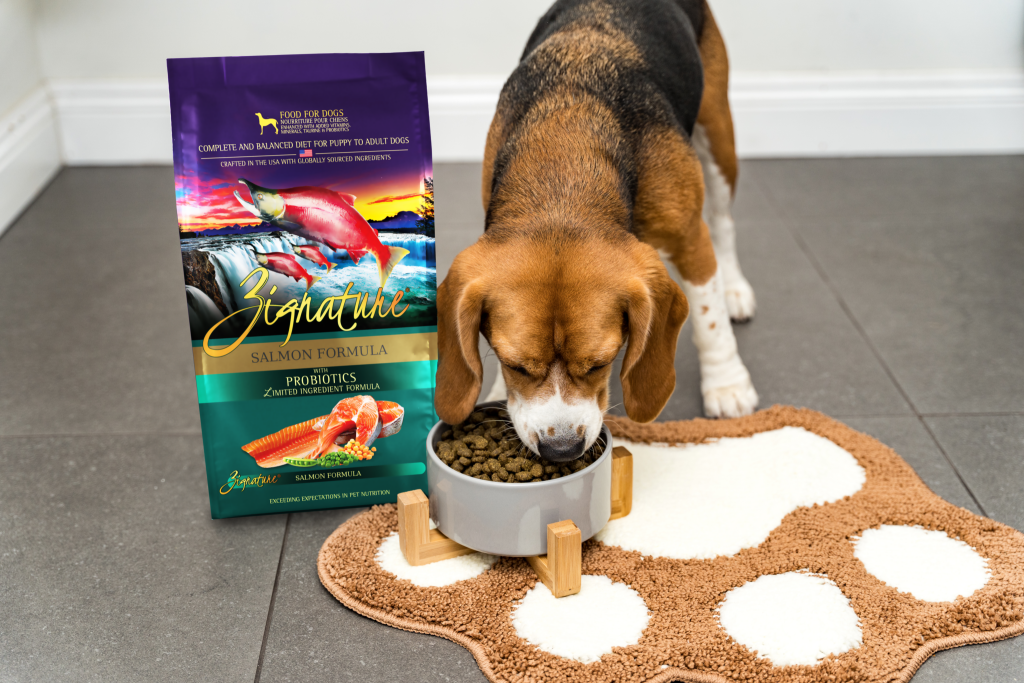
Consider probiotics for your pet if they experience:
- Digestive issues like diarrhea or constipation, as probiotics can stabilize the gut flora and improve intestinal health.
- Post-antibiotic treatments which may disrupt gut flora, necessitating a boost to restore balance.
- Stressful situations, such as moves or changes in diet, which can upset their stomach and digestion.
While incorporating probiotics can dramatically enhance digestive health, it’s crucial to consult with a veterinarian. Not all probiotic strains are suitable for every pet, and a vet can ensure you choose the right product for your pet’s specific needs. Research shows that certain strains can affect pets differently, so a veterinary recommendation based on individual health conditions and the pet’s age is invaluable.
4. Omega-3 Fatty Acids
Omega-3 fatty acids are essential for various bodily functions in pets. Found naturally in fish oil, flaxseed, and some algae, omega-3s support skin health, improve coat condition, and contribute significantly to heart health. They are especially beneficial in reducing inflammation, helping pets with arthritis or other joint concerns manage symptoms better, thus boosting mobility.
Signs that your pet might benefit from omega-3 supplements include:
- Dry or flaky skin, which these supplements can help keep moisturized and healthy.
- Excessive shedding, with omega-3s helping maintain a luscious, glossy fur coat.
- Joint pain or stiffness, where omega-3s can reduce inflammation and improve joint flexibility.
Fish oil is one of the most common sources of omega-3s, but it is crucial to discuss appropriate dosages with a vet. Over-supplementation can lead to complications, and the right balance needs to be achieved depending on your pet’s size, breed, and current health status. Studies have shown that omega-3s also support cognitive function in aging pets, thus maintaining their mental acuity as they grow older.
3. Glucosamine and Chondroitin
As pets age, they often face joint issues like arthritis, which can lead to painful mobility challenges. Glucosamine and chondroitin supplements are popular choices for supporting joint health. They work synergistically to help maintain cartilage health, slow the progression of joint disease, and improve comfort levels for your pet.
Indicators that glucosamine and chondroitin might benefit your pet include:
- Limping or difficulty getting up after lying down, a telltale sign of joint discomfort.
- Reduced willingness to engage in play or go for walks, suggesting reduced mobility or pain.
- Swollen joints that may be tender to the touch.
Introducing these supplements into your senior pet’s diet can significantly impact their quality of life. Regular use can help reduce inflammation, rebuild cartilage, and lubricate joints. Consulting a veterinarian for proper dosage is essential to prevent any adverse effects while ensuring therapeutic efficacy.
2. Multivitamins
Multivitamins can be a valuable addition to your pet’s diet, particularly when there are nutritional gaps. These supplements provide a varietal spectrum of vitamins and minerals necessary for optimal health, from immunity boost to metabolic support. Multivitamins cater to different life stages and dietary needs, enhancing overall well-being.
Multivitamins are especially advantageous for pets who:
- Have special dietary necessities (such as allergies or food sensitivities) that restrict a balanced diet.
- Are recovering from illness or surgery, as they help restore and maintain good health during the healing process.
- Are older, as aging can diminish the efficiency of nutrient absorption and utilization.
Before introducing a multivitamin, engaging in a discussion with a veterinarian to select a formulation tailored to your pet’s health concerns, age, and weight is critical. Specific vitamins, when taken in excess, can be harmful, making veterinary oversight prudent to safeguard your pet’s health.
1. Vitamin E
At the top of our list is Vitamin E, revered for its multifaceted role in pet health. This powerful antioxidant supports immune function, promotes skin health, and can enhance other essential nutrients’ efficacy within the diet. Vitamin E combats oxidative stress, protecting cells from damage by free radicals.
Watch for symptoms that might indicate a need for Vitamin E supplementation, such as:
- Weak immune response leading to frequent infections or illnesses.
- Skin issues, including itching, inflammation, or poor coat quality.
- Fatigue or lethargy that could be signs of oxidative stress or underlying health concerns.
Vitamin E is available in various forms, such as oils and capsules, suitable for inclusion in most pet diets. Again, the appropriate dosage is crucial, based on your pet’s health status and size, necessitating veterinary counsel. Pets naturally deficient often make impressive gains in vitality and immune resilience with proper supplementation.
In conclusion, while nutritional supplements can be transformational for your pet’s health, they should augment, not replace, a balanced diet. Always work with a veterinarian to discover the most suitable options tailored to your pet’s unique needs. This careful and strategic approach can help ensure your pet enjoys a nourished, healthier life.
| Category | Details |
|---|---|
| Types of Supplements | There are various types of nutritional supplements available for pets, including vitamins, minerals, fatty acids, and probiotics. Each type serves a unique purpose and can support a pet’s overall health. |
| When to Use Supplements | Supplements are often recommended for pets with specific health conditions, dietary deficiencies, or those undergoing stress or recovery. It’s crucial to consult a veterinarian for personalized guidance. |
| Benefits of Supplementation | Regular supplementation can enhance immunity, promote healthy skin and coat, and improve joint function. This is particularly important for older animals or those predisposed to certain conditions. |
| Safe Usage Guidelines | Always adhere to recommended dosages indicated on the product labels and consult with a veterinarian for a tailored approach based on your pet’s unique needs and medical history. |
The potential for nutritional supplements in the context of pet care is multifaceted and increasingly relevant as pet owners seek ways to enhance their animals’ quality of life. Within each category highlighted in the above table, key elements invite further exploration. For instance, when considering the types of supplements available, it’s important to understand that while vitamins aim to fill dietary gaps, minerals are crucial in maintaining proper bodily functions, from nerve signaling to muscle contraction. The role of omega-3 fatty acids for skin health or probiotics for digestive balance cannot be underscored enough, as they both have established benefits that warrant in-depth investigation.Additionally, the timing of introducing supplements into a pet’s regimen should be based on careful observation of their health and behavior. Elderly pets may experience a decline in natural nutrient absorption, while growing puppies might demonstrate an increased need for vital vitamins that support development. Understanding the signs of deficiencies—like lethargy, poor coat condition, or gastrointestinal issues—can guide responsible pet owners in their decisions.Lastly, while the benefits of nutritional supplementation are compelling, safety cannot be overlooked. The possibility of interaction with medications or other nutritional elements exists; hence, collaboration with your veterinarian is essential to ensure a comprehensive and safe supplement strategy. By framing the discussion around these informative categories, pet owners can make educated choices that foster well-rounded health outcomes for their beloved animals.
Frequently Asked Questions about Nutritional Supplements for Pets
How do I know if my pet needs nutritional supplements?
Determining whether your pet requires supplements involves assessing their diet and health. It’s essential to consult a veterinarian who can evaluate your pet’s dietary needs, considering factors such as age, breed, and activity level. Some pets may benefit from specific supplements due to deficiencies or health conditions. Regular checkups and blood tests can help identify dietary gaps.
Are nutritional supplements safe for all pets?
While many supplements are generally safe, it’s crucial to note that not all pets will react the same way. Factors like species, size, and health status can influence your pet’s tolerance to supplements. Over-supplementation can lead to toxicity or adverse effects. Always follow your vet’s advice and recommended dosages to ensure safety.
Can nutritional supplements replace a balanced diet for my pet?
Nutritional supplements are designed to complement, not replace, a balanced diet. A complete and balanced diet is fundamental to your pet’s health. Supplements can provide additional nutrients that might be lacking but should not be viewed as a substitute for proper nutrition. Always prioritize a nutritious diet first, using supplements as support when needed.
How can nutritional supplements benefit aging pets?
Aging pets often face unique health challenges, such as joint pain and decreased vitality. Supplements can play a crucial role in managing these issues. For instance, glucosamine and chondroitin are well-known for supporting joint health in older animals. Omega-3 fatty acids can aid in maintaining brain and heart health. Always tailor supplement choices to the specific needs of your aging pet, with professional guidance.
What are the signs that my pet might be having a reaction to a supplement?
If your pet is experiencing a negative reaction to a supplement, you might notice symptoms such as vomiting, diarrhea, lethargy, or changes in behavior. It’s important to monitor your pet closely after introducing any new supplement and consult a veterinarian immediately if you observe any adverse effects. Early detection and intervention can prevent serious health issues.
Conclusion
In the ever-evolving world of pet care, understanding when and how to utilize nutritional supplements for pets is of paramount importance. As we explored throughout this article, the first step in responsible supplementation is recognizing the specific nutritional needs of your pet. It’s crucial to conduct a comprehensive evaluation of your pet’s diet, health status, and lifestyle, which are indispensable factors in determining the necessity for supplements.
An essential takeaway is the diversity of available supplements, tailored to address various health issues, from joint support to skin health. However, it is vital to remember that not all supplements are suitable for every pet, and some may even pose risks if misused. Thus, collaboration with a veterinarian is an integral aspect of integrating supplements into a pet’s diet. A professional evaluation can help customize a supplementation plan that aligns with the pet’s unique requirements.
Moreover, as pet owners, it is incumbent upon us to remain informed about product quality and efficacy. Choosing supplements that have undergone rigorous testing and boast reliable certifications can significantly impact your pet’s health positively. As the pet industry continues to expand, consumers ought to be wary of marketing claims and instead focus on evidence-based information.
Ultimately, the effective use of nutritional supplements can enhance your pet’s quality of life, supporting longevity and vitality. By combining a balanced diet, veterinary expertise, and informed decisions, pet owners can ensure that their four-legged companions receive the best care possible. As such, the topic of nutritional supplementation remains not only intriguing but also essential in the realm of responsible and loving pet ownership.