
The Role of Foster Homes in the Pet Adoption Process

Understanding the Impact of Foster Homes
Every year, millions of pets enter shelters across the United States, seeking a second chance at a loving home. Among these initiatives, foster homes play a crucial role in the pet adoption process, serving as temporary havens for animals in transition. The importance of fostering cannot be overstated, as it directly influences the well-being and adoptability of countless pets.
What Foster Homes Provide
- Safe Environment: Foster homes offer a secure and loving atmosphere for pets, often away from the stresses of shelter life. Shelters can be overwhelming for animals, filled with unfamiliar sounds and smells that can heighten their anxiety. A foster home, on the other hand, provides a peaceful setting where pets can relax, feel safe, and gradually adjust to a home environment.
- Socialization: Foster parents play an invaluable role in helping animals adapt to home living. By introducing pets to various stimuli, such as children, other animals, and typical household noises, they nurture behaviors that are essential for the animal’s social development. For example, a dog that may initially be skittish around loud noises can become more confident through positive experiences with foster families, making them more appealing to potential adopters.
- Health Monitoring: In a fostering scenario, caregivers can provide a closer watch on the health of pets, ensuring timely veterinary care and necessary vaccinations. Regular observation allows foster homes to catch health issues early before they become more serious. This proactive approach not only improves the well-being of pets but also aids in creating a positive adoption profile through documented health records.
This support system not only benefits the animals but also aids potential adopters by providing them with essential insights into each pet’s behavior and temperament. Foster families can share detailed observations about the pet’s likes and dislikes, energy levels, and quirks, helping adopters find the best match for their lifestyle. For instance, a family may learn from a foster report that a particular dog loves to play fetch or prefers calm environments, guiding their decision-making process.
The Connection to Adoption Rates
Statistics show that pets in foster care are often adopted more quickly than those in shelters. According to the ASPCA, animals in foster homes are up to 50% more likely to be adopted than those remaining in a shelter setting. By engaging the community in fostering efforts, the pathway to permanency becomes clearer for animals in need. This intricate system of care emphasizes the powerful role foster homes play in transforming lives, showcasing the difference individual families can make in the life of a pet awaiting adoption.
In conclusion, the role of foster homes extends beyond just providing a temporary shelter; they are vital to improving the lives of pets, increasing adoption rates, and building community awareness around animal welfare. Considering fostering as an option not only creates space in overcrowded shelters but also promotes compassion, empathy, and love for our furry friends.
DIVE DEEPER: Click here for essential dog food tips
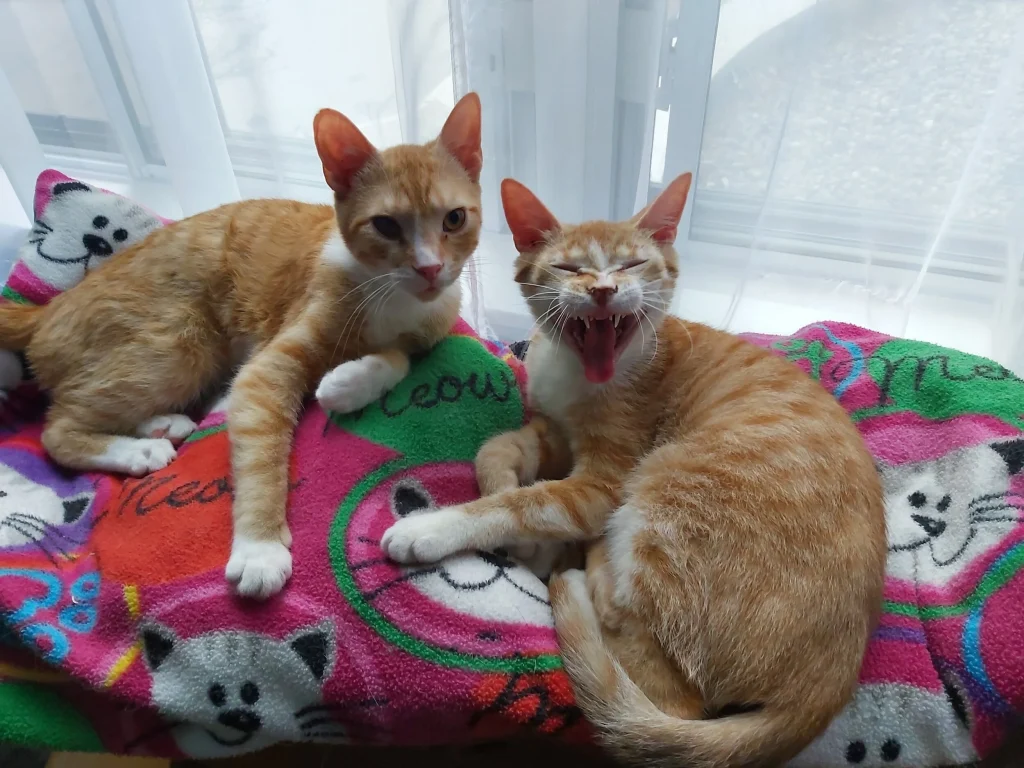
The Transformative Experience of Foster Care
Foster homes provide an essential lifeline for pets in transition, contributing significantly to their overall well-being and readiness for adoption. One of the predominant benefits of these nurturing environments is that they help animals recover from their past traumas and prepare for new lives with their forever families. This transformative experience allows pets to flourish in ways that often would not be possible in a traditional shelter setting.
Many animals arrive in shelters with varying degrees of anxiety, fear, or behavioral challenges stemming from previous experiences. Foster homes serve as the ideal setting for pets to heal, as they can experience the affection and structure that come with a family environment. This personal touch not only nurtures an animal’s emotional health but also cultivates unique bonds between the foster family and the pets under their care. These connections often lead to deeper insights into each individual pet’s behavior as well as their needs.
How Foster Homes Enhance Pet Profiles
One of the critical aspects of pet adoption success is understanding each pet’s personality and behavior traits. Foster homes enhance this knowledge in various ways:
- Behavioral Insights: Foster parents are well-positioned to observe nuances in their pets’ behaviors that might not be apparent in a shelter. Are they fabric enthusiasts, or do they dread thunderstorms? Such insights are invaluable when creating detailed profiles that potential adopters can review.
- Training and Reinforcement: Many foster homes engage in training and behavioral reinforcement, helping dogs and cats learn basic commands or good manners. These skills significantly boost adoptability and can make a pet stand out in a crowded market.
- Age-Appropriate Adaptation: Foster families are often aware of the specific needs of puppies, kittens, or elderly pets and can tailor their care accordingly. This ensures that pets are well-prepared for changes in environment that come with adoption.
These enhanced pet profiles help potential adopters match their lifestyles effectively with a pet’s characteristics, leading to happier, long-term placements. As a result, fostering not only benefits the pets but also empowers adopters to make informed choices, ultimately contributing to the reduction of pet returns due to compatibility issues.
Community Engagement and Awareness
The fostering process can inspire community engagement and raise awareness about responsible pet ownership and the importance of adoption. Fosters frequently share their experiences on social media platforms, capturing the hearts of many and emphasizing the need for additional foster homes. By showcasing their journeys—from initial introductions to foster care milestones—these families create connections with a broader audience, encouraging others to consider fostering or adopting. Additionally, many shelters actively coordinate events that highlight available pets in foster care, further amplifying their visibility within the community.
Overall, foster homes not only revolutionize the pet adoption process but also cultivate a culture of compassion and proactive involvement in animal welfare. The ripple effects of fostering go beyond individual pets, extending to the families who foster, the adopters they assist, and the communities that support these life-saving initiatives.
The Role of Foster Homes in the Pet Adoption Process
Foster homes play a crucial role in the pet adoption process, not only providing temporary shelter for animals in need but also helping them adjust to a home environment. These nurturing spaces allow pets to thrive and develop behaviors that make them more adoptable. By fostering, volunteers gain insights into the individual personalities of animals, which proves invaluable when matching pets with potential adopters. Foster homes create a less stressful environment for pets compared to traditional shelters. Animals in foster care often exhibit improved behavior and social skills, increasing their chances of finding a permanent home. As they learn to trust humans and experience love and care, foster pets often show their true potential, attracting more interest from potential adopters.Additionally, fostering increases the overall capacity of shelters to save more lives. It helps alleviate overcrowding in shelters and provides a network for sharing success stories, thus raising awareness about pet adoption. The stories of fostered animals can inspire others to consider adoption, creating a ripple effect that encourages community involvement. To further elucidate the advantages of foster homes in the adoption process, here’s a table outlining key benefits:
| Category | Details |
|---|---|
| Behavioral Assessment | Foster homes allow for in-depth understanding of each pet’s behavior. |
| Stress Reduction | Pets experience less anxiety in a home setting compared to shelters. |
| Socialization Opportunities | Foster homes help pets interact with family members and other pets. |
| Community Engagement | Fosters inspire their communities to consider adopting pets. |
By opening their homes and hearts, foster parents not only save lives but also promote a culture of compassion and responsible pet ownership which is essential in changing the narrative around pet adoption. As we continue to explore this dynamic, it becomes increasingly clear that the foster care system for pets is a vital mechanism that enhances the chances of successful adoptions across the board.
LEARN MORE: Click here to discover the benefits of a balanced diet for your dog
The Ripple Effect of Foster Care on Local Animal Shelters
Foster homes significantly impact local animal shelters by alleviating overcrowding and efficiently managing shelter resources. By providing temporary homes for pets, foster carers create additional space within shelters, enabling staff to focus on caring for the animals in their direct custody and increasing the overall capacity of the shelter.
Statistics reveal that shelters across the United States often operate near or above their maximum limits. For instance, the ASPCA reported that some shelters can house up to 80% more pets when foster care programs are implemented. This extra capacity becomes crucial during peak seasons, such as spring when many kittens and puppies are born, overwhelming available space. With an effective foster care program, shelters can better respond to influxes of animals and even take in urgent rescues from neglectful situations.
Moreover, fostering gives shelters the flexibility to assess special needs pets that may require extra attention. Disabled pets, seniors, or animals needing socialization often benefit immensely from the one-on-one care provided by foster families. In many cases, these pets may be overlooked in a busy shelter environment, but fostering increases their chances of finding the right adoptive home.
The Connection Between Foster Programs and Successful Adoptions
Foster programs directly correlate with higher adoption rates, showcasing their integral role in the pet adoption process. According to a recent study by the Humane Society of the United States, animals in foster care are found to be adopted at rates exceeding 90%, compared to an adoption rate of about 25% for pets who remain in shelters for long periods.
This number can be attributed to various factors. Firstly, the individualized care pets receive in foster homes leads them to become more well-adjusted and sociable. Additionally, foster parents often share their experiences with potential adopters, impacting their decision-making. By providing narratives that showcase the pet’s personality, quirks, and preferences, foster families paint a more vivid picture than merely relying on a shelter cage description.
- Enhanced Socialization: Fostered pets often adapt to home environments, developing social skills that translate into better interactions with potential adopters. Their familiarization with household dynamics plays a crucial role in easing the adjustment into a new home.
- Fostering Success Stories: Animal fosters frequently share heartwarming stories of their journeys with pets, which can motivate people to adopt. Hearing about the transformation of a frightened rescue to a loving family pet can create an emotional connection that weighs heavily on a decision to adopt.
Additionally, the emotional rapport established between the foster family and the pet can continue even after adoption. If a pet’s adoption does not work out, many foster families are willing to step in again to help the animal find the correct match. This safety net not only furthers the well-being of the pet but also reinforces the importance of a supportive community surrounding pet adoption.
The Lifelong Impact of Foster Homes
The benefits of foster care extend beyond the immediate scope of pet adoption; they encircle the broader issue of animal welfare. By fostering, individuals contribute directly to efforts that combat pet overpopulation and abandonment. Programs such as spaying and neutering initiatives, which are often supported by foster networks, ensure that fewer animals are born into situations where they may end up in shelters.
Furthermore, engaging in foster care educates the public on the importance of these initiatives. Families who have fostered often become advocates for animal rights and responsible ownership, sharing their stories in schools, community events, and local media. By actively participating in these conversations, they help dismantle common misconceptions about shelter pets and foster unprecedented levels of community support for animal welfare organizations.
The profound impact of foster homes on the pet adoption process is unmistakable. As both temporary caregivers and lifelong advocates, foster families play a pivotal role in transforming the lives of countless animals and contribute significantly toward a more compassionate society.
DISCOVER MORE: Click here to uncover heartwarming stories
Conclusion: The Indispensable Role of Foster Homes in Pet Adoption
In reflecting on the significant role of foster homes in the pet adoption process, it becomes clear that they serve as vital lifelines for countless animals awaiting forever homes. Foster families not only provide essential love and care but also bridge the gap between homeless pets and potential adopters, enhancing the likelihood of successful adoptions. The statistics speak volumes: animals in foster care boast adoption rates surpassing 90%, revealing the transformative impact that a nurturing environment can have on a pet’s behavior and appeal.
Moreover, fostering extends its benefits far beyond immediate adoptions. It addresses critical issues such as overpopulation, showcasing how temporary care can lead to significant declines in shelter overcrowding. By educating communities about responsible pet ownership and advocating for spaying and neutering initiatives, foster caregivers play a crucial role in promoting long-term animal welfare. They become beacons of hope, influencing attitudes and misconceptions surrounding shelter pets.
As potential pet adopters consider expanding their families, the stories and experiences shared by foster caregivers provide a compelling and relatable narrative that can resonate deeply. This emotional connection can motivate individuals to choose adoption over purchasing pets, paving the way for a societal shift towards a more compassionate pet ownership culture.
Ultimately, the integration of foster homes within the pet adoption framework not only mobilizes the adoption process but lays the foundation for a healthier, kinder community for animals. Encouraging more individuals to participate in foster programs can lead to increased awareness and advocacy, fostering a future where every animal has a loving home. As we look ahead, it is essential to continue supporting foster initiatives, recognizing their profound contributions to animal welfare and the communities they enrich.