The Impact of Social Media on Pet Adoption Rates and Awareness
Impact of Social Media on Pet Adoption
In the digital age, social media has not only reshaped personal interactions but also significantly influenced the operations of animal shelters and rescue organizations. By harnessing the capabilities of platforms such as Facebook, Instagram, and Twitter, these organizations are effectively connecting with potential adopters and advocating for animals in need. This revolution in outreach is paving the way for remarkable increases in adoption rates and deeper community engagement.
Increased Visibility
Pet shelters often struggle to attract foot traffic due to various reasons, including geographical limitations or a lack of public awareness. Social media dramatically enhances visibility of pets in these shelters. Each post, accompanied by compelling images or videos, can reach thousands of users instantaneously. For instance, organizations like the ASPCA and local shelters routinely share captivating stories of individual animals, showcasing their personalities and special traits. A heartwarming post about a charismatic rescue dog can reach a broader audience, enticing potential adopters who may have otherwise never considered visiting a shelter.
Engaging Content
The power of engaging content cannot be understated. Videos showcasing pets playing, being cuddled, or even receiving training can resonate with viewers on a deeper emotional level. For example, a video compilation of shelter animals finding their forever homes often garners immense shares, likes, and comments. This not only boosts the visibility of the pets featured but also spreads joy and positivity, creating a ripple effect that drives community interest in adoption.
Community Building
Social media serves as a robust platform for community building. Various groups have emerged that connect pet lovers, where they can share experiences, advice, and even encouragement regarding adoption. Local community pages provide support for individuals who take the step to adopt. This collective interaction encourages dialogue about responsible pet ownership, fostering a culture of compassion and awareness. Furthermore, when someone shares their successful adoption story or a funny moment with their pet, it inspires others to consider opening their homes to animals in need.
Special Needs and Fundraising Support
Social media is instrumental in highlighting special needs pets, who frequently find it challenging to get adopted. By raising awareness about these animals’ specific requirements, organizations can motivate people to consider adopting them. For example, shares of stories about a three-legged dog finding love can capture hearts and ultimately lead to an adoption. Additionally, social media is a powerful tool for raising funds for rescue efforts. Campaigns on platforms like GoFundMe reached supporters of cause-oriented initiatives, enabling shelters to care for more animals in need.
Educational Outreach
Moreover, social media campaigns can serve as effective means for educational outreach. They provide vital resources on the importance of spaying and neutering pets, the benefits of adopting over purchasing, and information about the responsibilities that come with pet ownership. The sharing of informative infographics or live Q&A sessions with experts can significantly enhance community knowledge and encourage informed decisions regarding pet adoption.
As social media continues to evolve, its role in shaping pet adoption practices and community engagement will undoubtedly expand. Harnessing this potential can change countless lives, one post at a time.
DISCOVER MORE: Click here for essential tips
Transforming the Adoption Landscape
The influence of social media on pet adoption rates is undeniable, reshaping the way shelters and rescue organizations operate. This digital engagement has created a more transparent dialogue between organizations and potential adopters, effectively transforming the adoption landscape. In fact, a 2019 survey by the American Society for the Prevention of Cruelty to Animals (ASPCA) revealed that 54% of pet adopters had learned about their pets through social media platforms. This statistic illustrates the tangible impact that these platforms have on increasing adoption rates.
Enhanced Outreach Strategies
Animal shelters are capitalizing on enhanced outreach strategies that encompass a variety of formats and content types. From infographics that showcase adoption success stories, to eye-catching images of pets in need, shelters are bringing their mission to a larger audience with creative flair. These visually appealing strategies utilize hashtags and location tags to reach targeted communities effectively, ensuring that urgent adoption requests resonate with local pet lovers. The use of hashtags such as #AdoptDontShop or #ShelterPetsRock has helped popularize the message of animal adoption while encouraging users to share posts within their social circles, amplifying the message.
Success Stories in Real-Time
Social media platforms allow shelters to share success stories in real-time, generating enthusiasm and hope for both animals and potential adopters. When a dog from a shelter finds a loving home, the excitement surrounding that adoption can spark a lineage of further adoptions. By celebrating these milestones on social media, organizations are building a narrative of success that motivates others to take similar action. For example, a ‘Happy Tails’ series, highlighting recent adoptions, can drive engagement and remind viewers of the joys of bringing a new pet into their lives.
Accessibility to Resources
Another remarkable impact of social media on pet adoption is the accessibility to resources it provides. Educational posts on training, health care, and general pet knowledge are widely shared, benefitting not only adopters but also current pet owners seeking to improve their keeping practices. Organizations can create short videos or tutorials that educate the community on pet care, further emphasizing the commitment of shelters to the welfare of animals beyond the point of adoption. This educational effort helps debunk myths surrounding shelter pets, showing that they are often just as affectionate, trained, and loving as those from private breeders.
Building Partnerships with Influencers
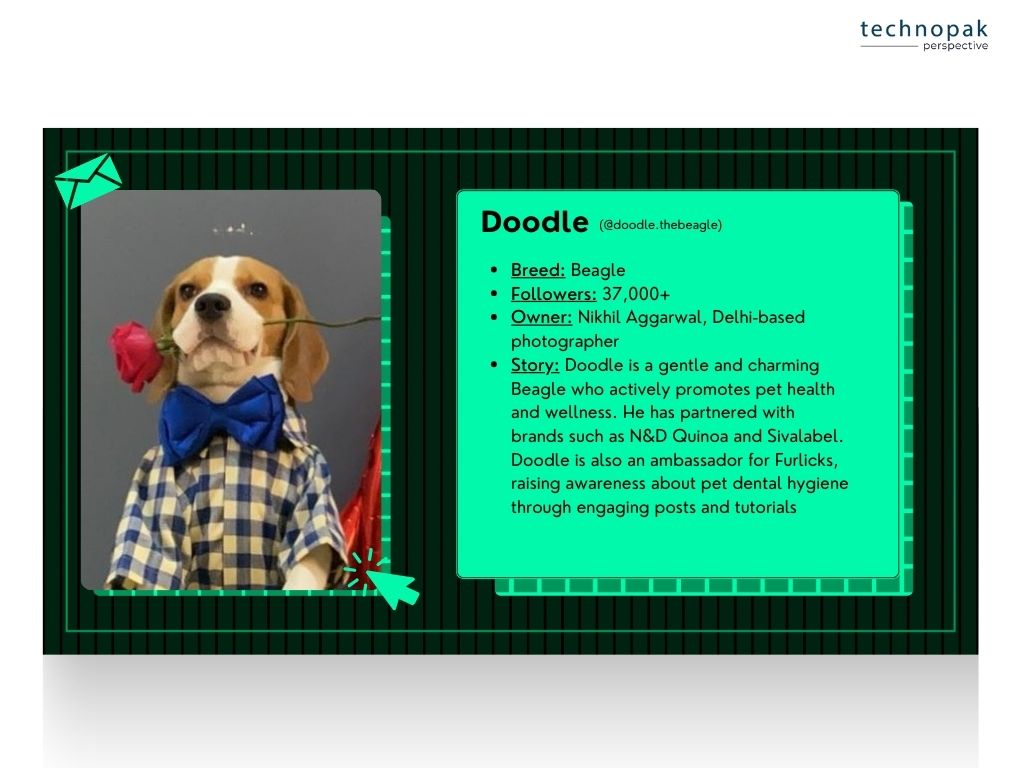
- Pet Influencers: Collaborating with popular pet influencers can exponentially increase visibility for adoptable pets. These influencers often have large followings and can sway public opinion, making them valuable allies in raising awareness.
- Local Businesses: Partnerships with local pet stores and veterinarians can help enable a cross-promotional effort that maximizes the reach, often facilitating events like adoption days that encourage direct interaction.
The synergy between social media and the pet adoption community has created a vibrant ecosystem that continues to grow. With every scroll and share, the message of adoption is reaching ears and eyes that may never have tuned in. As this trend gains momentum, it promises to deliver even greater results, shining a light on countless animals waiting for a forever home.
As social media continues to evolve, its role in raising awareness and increasing pet adoption rates has become increasingly significant. The ability to share compelling stories, images, and videos of pets in need of homes has transformed the way shelters and rescue organizations connect with potential adopters. Notably, platforms like Instagram and Facebook allow for visually rich content that captures the hearts of viewers, making adoption appear not only feasible but appealing.
Moreover, social media campaigns often go viral, spreading the message beyond just local communities. Rescue organizations can leverage influencers and pet celebrities to reach broader audiences, amplifying their message dramatically. These campaigns not only showcase available pets but also educate the public about the responsibilities associated with pet ownership and the importance of adopting rather than shopping for pets.
Statistics reveal that shelters utilizing social media report higher adoption rates compared to those that do not. For instance, a study indicated that shelters actively engaging in social media marketing saw up to a 60% increase in adoption inquiries. This reflects the profound impact of digital outreach: it’s not just about having a presence online, but effectively engaging with potential adopters through targeted campaigns and sharing success stories.
Additionally, social media facilitates community building among pet lovers and advocates for adoption. Users frequently share their own adoption journeys, offering inspiring testimonials that resonate with others considering adoption. The formation of online communities dedicated to specific breeds or animal welfare fosters a sense of belonging and encouragement, reinforcing the idea that adopting a pet can have a meaningful impact on both the animal’s life and the owner’s experience.
As we continue to explore the effects of social media on pet adoption rates and awareness, it is evident that this digital landscape provides a powerful tool—bridging gaps, generating interest, and ultimately saving lives.
| Category | Advantages |
|---|---|
| Increased Awareness | Social media platforms allow for widespread sharing of adoption stories, reaching large audiences quickly. |
| Community Engagement | Creates networks of pet lovers who support adoption and share their experiences, fostering a supportive community. |
DISCOVER MORE: Click here to learn effective puppy socialization techniques
The Role of Community Engagement
One of the most significant impacts of social media on pet adoption is the enhancement of community engagement. Social media facilitates direct interaction between shelters, rescue groups, and the communities they serve. Features like live video Q&A sessions and pet profile spotlights enable shelters to connect with potential adopters personally and engagingly. Additionally, community members can share their stories and experiences, fostering a sense of solidarity among pet lovers and potential adopters. This sense of community not only encourages individuals to adopt but also cultivates a supportive environment for those who have already adopted, as they can share advice and seek help from their peers through various online platforms.
Events Tailored for Online Audiences
Social media also empowers shelters to create and promote virtual events that attract widespread attention. Virtual adoption fairs, for example, can display multiple pets needing homes, allowing users from various locations to participate. These events often utilize live-streaming technology, where potential adopters can interact with shelter staff and get real-time answers about the animals. Remarkably, a study conducted by 2020 Pet Adoption Study revealed that pet adoption requests increased by 30% during scheduled online events, underscoring the effectiveness of this innovative approach.
Targeted Advertising Campaigns
Many shelters are adopting targeted advertising campaigns on social media platforms to reach specific demographics that align with their goals. With tools available for geo-targeting and audience segmentation, shelters can craft persuasive ads aimed at families, millennials, or retirees looking to adopt pets. For instance, Facebook’s targeted advertising allows shelters to showcase their animals to local users who have demonstrated an interest in animal welfare or pet care. This precision in outreach not only boosts visibility but also increases the chances of finding the right match for adoptable pets.
Measurable Impact on Adoption Rates
The effectiveness of social media campaigns can be quantified through measurable metrics. Many shelters now monitor engagement rates, conversion statistics, and the success rates of specific campaigns. By leveraging tools such as Google Analytics and Facebook Insights, organizations are better equipped to understand what resonates with their audiences. In one prominent case, a local shelter that initiated a themed photo challenge on Instagram reported a 50% increase in adoption applications within just a month. Such data not only highlights the success of digital strategies but also guides future initiatives toward even higher efficacy.
Understanding the Psychology of Adoption
Lastly, social media plays a critical role in understanding the psychology of adoption. By sharing relatable narratives, organizations evoke feelings of empathy and compassion among potential adopters. Posts that focus on the stories behind the shelter animals—such as previous hardships or personal triumphs—tend to generate interest and engagement. Furthermore, social media influencers often amplify these messages, leading to a more significant impact on public perception. In fact, research indicates that emotionally-driven content is 80% more likely to be shared, broadening the reach of adoption awareness efforts across various networks.
In light of these factors, it’s clear that social media has not only transformed the narrative around pet adoption but also fostered a culture that appreciates the importance of giving animals a second chance at life. By continuously evolving their strategies, shelters can maximize the potential of these platforms, further enhancing awareness and ultimately improving adoption rates.
DISCOVER MORE: Click here for effective techniques
Conclusion
The profound impact of social media on pet adoption rates and awareness cannot be overstated. This dynamic landscape not only promotes direct interactions between shelters and communities but also drives innovative methods of engagement that resonate with potential adopters. By embracing virtual events and targeted advertising campaigns, shelters have successfully broadened their reach, effectively targeting demographics that are most likely to consider adoption. Moreover, the ability to monitor measurable metrics enables shelters to refine their strategies continually, ensuring that each effort is more impactful than the last.
As we see a growing number of success stories fueled by social media, the role of human emotions in the adoption process becomes increasingly clear. Shelters harness the power of storytelling, eliciting empathy and creating connections that were previously challenging to establish. With research indicating that emotionally-rich narratives are significantly more shareable, it becomes evident that social media offers a unique opportunity to reshape public perceptions about animal adoption.
In essence, as organizations adapt and innovate within this digital realm, they foster a community that not only prioritizes animal welfare but also champions the importance of second chances. The future of pet adoption in the United States appears brighter than ever, largely thanks to the ongoing collaboration between shelters and social media platforms. By nurturing this synergy, we can look forward to an even greater increase in pet adoptions, ultimately saving countless lives in the process.