
How to Prepare Your Pet for Travel and Changes in Environment

Understanding the Importance of Preparation
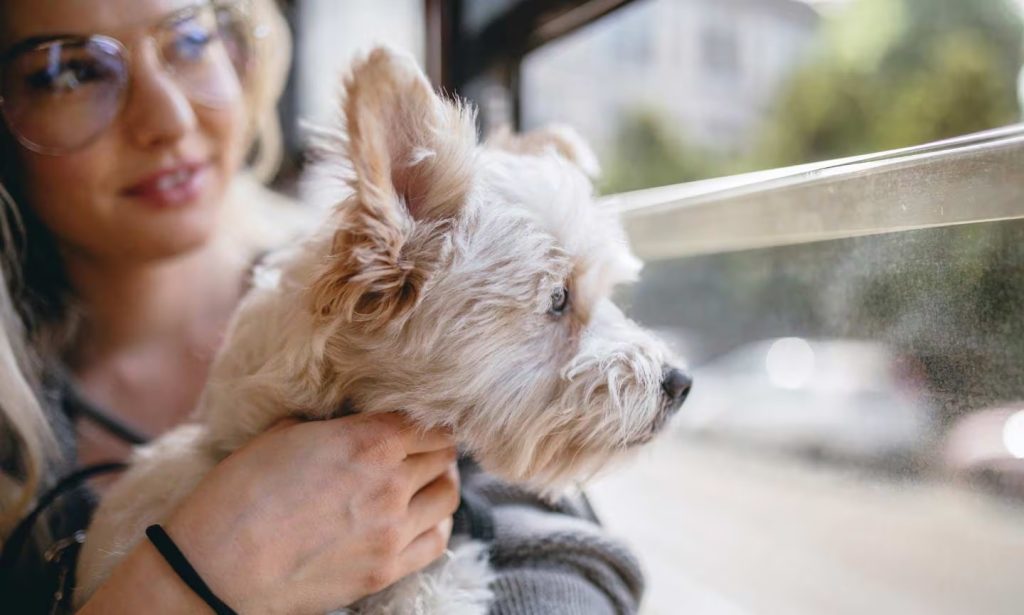
Traveling with your pet can be a rewarding experience, but it also comes with its challenges. Ensuring your furry friend is ready for a new environment is crucial for a smooth journey. A little preparation goes a long way in making the transition easier for both of you.
Key Factors to Consider
When planning your pet’s travel, keep these essential factors in mind:
- Health and Safety: Before embarking on your journey, it is essential to ensure your pet is up-to-date on vaccinations and has undergone a thorough health check. Different states and countries may have specific vaccination requirements, especially if you plan to stay in pet-friendly accommodations or visit parks. A veterinary check-up can help identify any potential health issues that might arise during travel and can provide you peace of mind.
- Comfort: Allowing your pet to travel with familiar items, such as their favorite toys, blankets, or bedding, can create a sense of security in an unfamiliar setting. Just as humans might carry a cherished object during stressful times, animals benefit from familiar scents and textures. These comfort items can reduce anxiety and help your pet settle quickly in a new environment.
- Travel Gear: Selection of appropriate travel gear is crucial for both safety and comfort. Invest in a sturdy, comfortable carrier or harness that fits your pet well. For air travel, check the airline’s guidelines regarding carrier dimensions, as they can vary. Similarly, if you’re driving, make sure to secure your pet with a seatbelt or in a pet-safe crate to prevent distractions while driving.
Familiarizing your pet with the means of transportation is another important step. Whether traveling by car, plane, or train, each mode of transport can affect your pet differently. For instance, dogs may become anxious in a noisy airport but calm down once in the plane. Understanding your pet’s temperament and adjusting accordingly can lead to a more seamless travel experience.
Creating a Relaxing Environment
A calm pet is significantly easier to manage during travel. To prepare your pet emotionally, consider the following strategies:
- Introducing them to their travel containers gradually can help alleviate stress. Start by allowing them to explore the carrier at home, creating positive associations. Reward them with treats and praise to encourage this behavior.
- Practicing short trips can acclimate them to the experience of movement. Take your pet on errands or short rides around the neighborhood; this helps them get used to being in a vehicle without the stress of a long journey.
- Implementing training exercises, such as standard commands and anxiety management techniques, can further help your pet feel secure. Training sessions can be beneficial, as they allow the pet to focus on positive behaviors rather than their anxiety about traveling.
By taking these steps, not only do you enhance your pet’s comfort, but you also ensure a more enjoyable experience for yourself. Investing time in preparation can lead to unforgettable adventures together, transforming potential travel woes into cherished memories as you explore new places side by side!
DISCOVER MORE: Click here for insights on balanced diets
Anticipating Challenges and Solutions
One of the most exhilarating aspects of pet ownership is the ability to share experiences, including traveling to new places together. However, the journey is often fraught with potential challenges that could disrupt the adventure. Being prepared for these challenges can not only enhance your furry companion’s experience but also reduce your own travel stress. By equipping yourself with knowledge and strategies, you can pave the way for a smooth and enjoyable journey.
Travel Anxiety: Anxiety is a common issue for many pets when facing unfamiliar surroundings. Signs can range from subtle behaviors such as whimpering and panting to more overt stress indicators, including attempts to hide or escape. To help your pet cope, consider investing in calming collars or anxiety wraps, which apply gentle, comforting pressure similar to a soothing hug. These products have gained popularity among pet owners for their effectiveness. Moreover, involving your veterinarian in discussions about anti-anxiety medications or herbal solutions can add another layer of support for your pet during these transitions.
Motion Sickness: Just as humans can feel queasy during travel, pets, especially dogs and cats, may suffer from motion sickness. Symptoms can manifest as drooling or uncontrolled vomiting, leading to a distressing experience for both pet and owner. To help minimize the risk, a good practice is to ensure your pet has an empty stomach before hitting the road. This helps reduce the likelihood of nausea. Moreover, providing your pet with gradual exposure to car rides starting from short distances and gradually increasing their duration can aid in desensitizing them to the vehicle’s movement.
Food and Water Regulation: Pet owners often overlook the importance of maintaining their pet’s dietary routine while traveling. Sudden changes in food or inadequate water intake can lead to gastrointestinal distress, leading to a less enjoyable experience. To sidestep these issues, it is wise to bring along a sufficient supply of your pet’s regular food and scheduled feeding times. Portable water dishes can greatly streamline hydration during long trips, ensuring your pet remains comfortable and well-fed. The availability of water is especially crucial during hot weather, so always keep refreshing their supply.
In addition to addressing immediate concerns, packing a well-thought-out travel kit can serve as a safety net against unforeseen circumstances. This kit should include:
- Pet first aid kit for emergencies
- Travel bedding or blankets to provide familiarity
- Durable food and water dishes that are easy to pack
- An extra leash and harness for added security
- Waste bags for responsible clean-up during rest stops
- Essential medications, if applicable
- Favorite toys to bring comfort in new environments
By taking time to anticipate potential challenges, you’re not just preparing for the worst; you’re enhancing the overall travel experience for both you and your pet. As you embark on your adventure, maintaining a proactive mindset allows you to transform potential stressors into manageable tasks. This preparation not only fortifies your bond with your pet but fosters a sense of adventure, ensuring that your travels together are memorable for all the right reasons.
| Category | Key Features |
|---|---|
| Stress Reduction Techniques | Utilizing calming collars, pheromone sprays, and routine adaptations can significantly reduce anxiety during travel. |
| Proper Equipment | Select durable crates, harnesses, and leashes tailored for travel to ensure your pet’s safety and comfort throughout the journey. |
| Health Precautions | Consulting a veterinarian before traveling can help prevent travel-related illnesses and ensure vaccinations are current. |
| Acclimatization Strategies | Gradually exposing your pet to new environments helps ease transitions and fosters a positive experience. |
To successfully prepare your pet for travel and changes in the environment, understanding how to implement these strategies is crucial. Stress reduction techniques can significantly alleviate the anxiety pets often face when adjusting to new surroundings. Tools such as calming collars and pheromone sprays can be invaluable allies. Equally important is the selection of proper equipment. Investing in durable, travel-friendly crates or harnesses gives peace of mind that your pet is both safe and comfortable. Don’t forget to address health precautions; a quick visit to the vet prior to a journey ensures that your furry friend is ready for the adventures ahead. Finally, consider acclimatization strategies that allow your pet to become familiar with their new environment gradually, transforming a potentially stressful experience into an enjoyable one. Each of these components plays a vital role in a seamless travel experience for you and your beloved pet.
DIVE DEEPER: Click here to uncover the emotional journey of pet adoption
Setting Your Pet Up for Success
Preparation is crucial when embarking on a journey that includes your pet. The key is not just to foresee challenges but also to set your furry friend up for success in a new environment. Each change in location can come with a variety of stimuli and experiences that could overwhelm a pet not used to travel or unfamiliar surroundings.
Introducing Familiar Scents: One effective way to ease your pet’s transition into new environments is by introducing familiar scents. Animals, especially dogs, have a remarkable sense of smell, and a familiar scent can provide comfort. You can achieve this by packing items like their favorite blanket, bedding, or toys that carry the comforting aroma of home. This tactic is particularly beneficial when checking into hotels or staying in rentals where scents can differ greatly from what your pet is accustomed to.
Establishing Routine: While the travel schedule may disrupt your regular home routine, maintaining certain aspects of your pet’s everyday life can help reduce anxiety. Stick to their usual feeding times as closely as possible, and continue to provide them with a structured daily routine of walks, playtime, and rest. Familiarity becomes a source of reassurance in the face of new surroundings, creating a balance to the chaos of travel.
Training for the Journey: Before hitting the road, consider implementing a few training sessions. For example, if your pet isn’t already accustomed to being in a carrier or a seatbelt harness, you could gradually train them to enjoy the process. Positive reinforcement methods, such as treats and praise, can help them associate travel with a positive experience. Brush up on basic commands such as “sit,” “stay,” and “leave it,” as these instructions can play a crucial role in managing your pet’s behavior in unfamiliar environments.
Identifying Pet-Friendly Locations: Research your travel route and destination to identify pet-friendly accommodations and attractions. Many hotels and lodgings across the United States offer amenities designed specifically for pets, such as dog parks or pet-friendly dining areas. Websites dedicated to pet travel lists can provide valuable insights, including user reviews on how welcoming they are towards pets. This ensures that you’re fully prepared with suitable places for breaks and leisure during the journey.
Personal Identification: In the unfortunate event that your pet goes missing, having the right identification is crucial. Ensure your pet is microchipped and registered, as this greatly increases their chances of being reunited with you. Additionally, you should use a collar with an ID tag that includes up-to-date information, such as your phone number and, ideally, a secondary contact. Regularly checking the information for accuracy as you travel can go a long way in enhancing your peace of mind.
Monitoring Behavioral Changes: During travel, keep an eye on your pet’s behavioral changes. Signs of discomfort, anxiety, or distress might indicate that your pet requires extra attention or a break from the activity. Allow time to stop for walks, potty breaks, and exploration at rest areas. Observe how your pet interacts with these changes; understanding your pet’s cues can assist in tailoring their travel experience, ensuring it’s as enjoyable and stress-free as possible.
By approaching travel with a strategic mindset and an understanding of your pet’s needs, you solidify an enriching journey for both of you. Remember, the goal is not just to reach your destination but to enjoy every moment of the adventure along the way.
DON’T MISS: Click here to discover essential tips
Final Thoughts on Preparing Your Pet for Travel
Traveling with your pet can be one of the most enriching experiences for both of you, making it essential to plan and prepare comprehensively. Recognizing the unique needs of your pet amidst changes in environment can greatly enhance their comfort and behavior during travel. Start by engaging their senses with familiar scents, as this can dramatically alleviate anxiety. Establishing a routine helps anchor them in the unfamiliar, while training sessions pave the way for positive associations with travel.
Moreover, doing thorough research on pet-friendly locations ensures that you have designated spots tailored for their needs, from nights spent in accommodations that welcome pets to dining options that cater to your furry friends. Safety cannot be overlooked; proper identification methods, such as microchipping and up-to-date tags, are crucial for peace of mind while traversing new terrains.
Lastly, being vigilant about your pet’s behavioral changes during travel allows you to adapt quickly and provide the necessary care. Understanding their stress signals ensures that you can make adjustments for a smoother experience. As you set off on your journey, keep in mind that travel is not merely a means to an end, but a shared adventure that should foster connection and joy. By taking these considerations into account, you pave the way for amazing memories that last a lifetime.