
Preventive Care: The Importance of Vaccines and Regular Check-ups for Pets
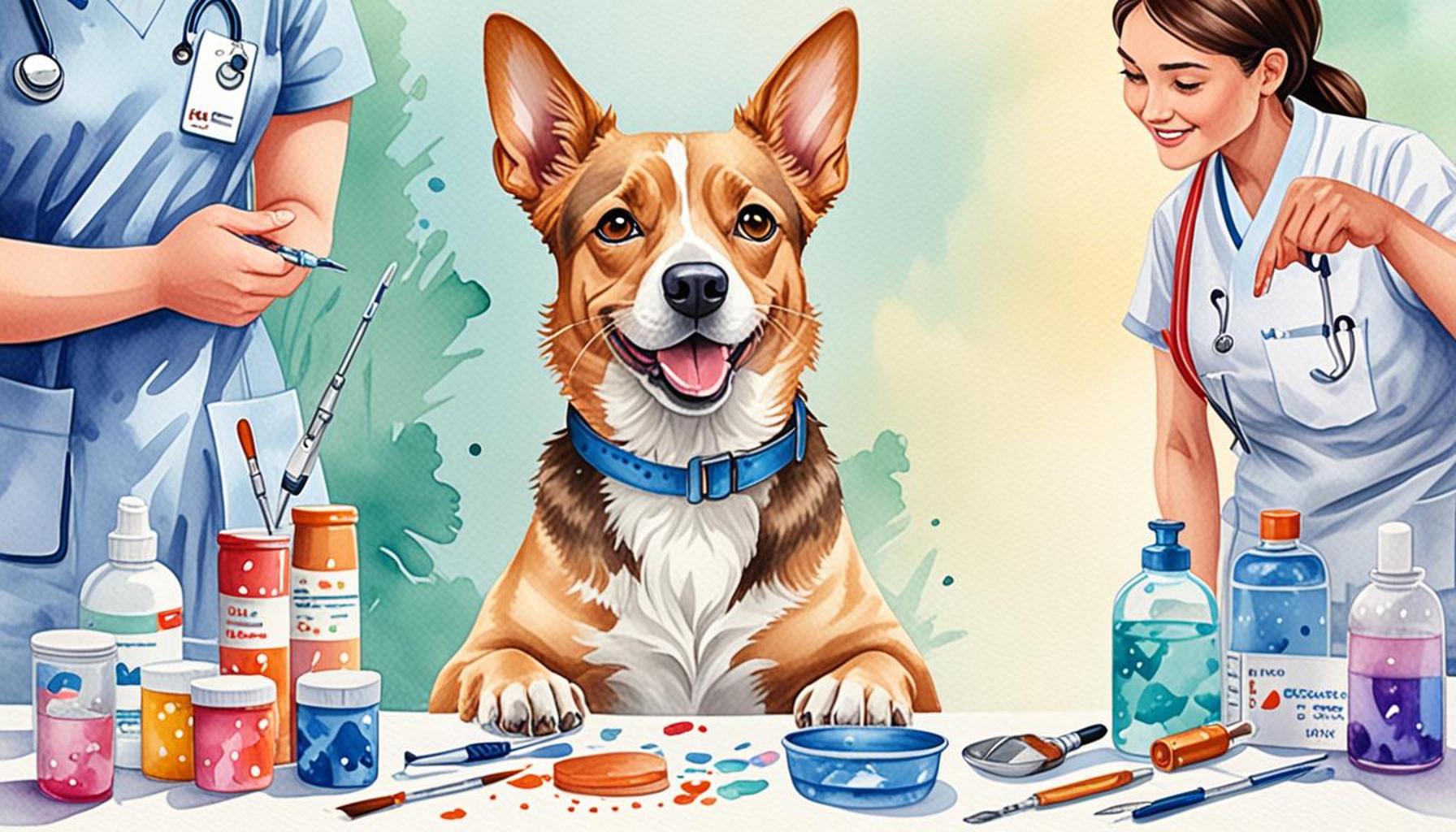
The Importance of Preventive Care in Ensuring Pet Health
Every pet owner knows that a healthy pet is a happy pet. However, ensuring your furry friend remains in optimal health requires more than just regular feeding and playtime. Preventive care, particularly through vaccines and routine check-ups, is crucial for safeguarding your pet’s well-being. It’s a proactive approach that can help detect and prevent potential health issues before they escalate into serious concerns.
Vaccines are vital for preventing various infectious diseases, some of which can be fatal or lead to long-term health complications. For instance, the rabies vaccine is not only a legal requirement in many areas of the United States, but it also protects pets and humans from this deadly disease, which is nearly always fatal once symptoms appear. Moreover, the distemper vaccine is essential for dogs, protecting them from a highly contagious virus that can cause severe respiratory, gastrointestinal, and neurological problems.
Cats, on the other hand, are often protected against serious diseases like feline leukemia (FeLV), which is known to compromise the immune system and lead to fatal outcomes. Vaccination schedules can vary based on pet age, lifestyle, and health status, which is why a discussion with a veterinarian is crucial to tailor a preventive care plan that meets the unique needs of your pet.
The Role of Regular Check-ups
In addition to vaccinations, regular check-ups play a significant role in preventive care. These visits can help identify potential health problems, such as dental disease, obesity, and chronic illnesses, before they become critical. The benefits of routine check-ups extend beyond mere physical assessments; they include:
- Early detection of diseases: Conditions like diabetes or heart disease can be managed more effectively when caught early.
- Tailored advice on nutrition and exercise: Vets can provide guidance based on the pet’s breed, age, and lifestyle, ensuring optimal health.
- Timely vaccinations and preventive treatments: These include flea, tick, and heartworm preventatives that can protect pets from common parasites.
Investing time and resources into preventive care not only enhances your pet’s quality of life but can also save you significant costs associated with treating advanced diseases. For instance, a routine dental cleaning can prevent painful dental disorders that could lead to costly surgeries later on.
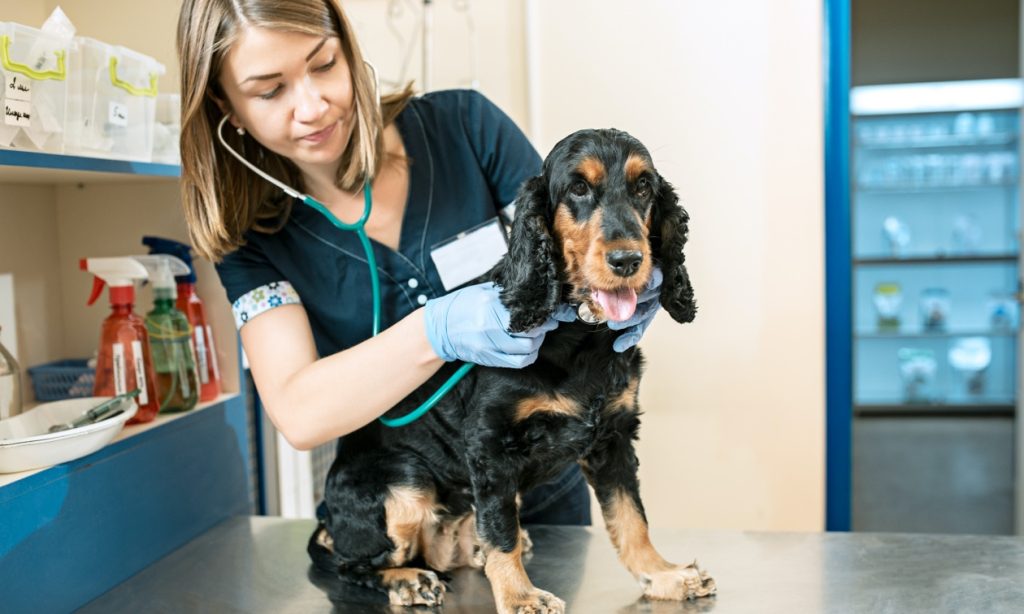
By understanding the vital importance of vaccines and regular check-ups, pet owners can foster longer, healthier lives for their furry companions. They are not just obligations—preventive care is a crucial commitment to ensuring your pet thrives in every aspect of life.
DON’T MISS: Click here for essential tips on cat health
Understanding Vaccines: A Vital Component of Preventive Care
When pet owners consider the overall health of their beloved companions, vaccinations emerge as a fundamental aspect of preventive care. Vaccines help bolster a pet’s immune system, equipping it to fend off diseases that can lead not only to suffering but also to untimely lifespans. These medical interventions represent a shield against a myriad of infectious diseases that prevalence can vary by location and species.
For dogs, vaccinations are tailored to address specific risks based on lifestyle and environment. Core vaccines, such as the parvovirus vaccine, are essential—particularly for puppies—because this virus can cause severe gastrointestinal distress and even death. Additionally, the canine influenza vaccine is becoming increasingly relevant, particularly in densely populated areas where pet interactions are frequent. This means that while some vaccines are universally recommended, others may depend on lifestyle choices like attending dog parks or participating in training classes.
Cats, too, benefit greatly from vaccines designed to combat the unique threats they face. For example, the cats’ rabies vaccine not only safeguards your fluffy friend but also serves as a legal requirement in most U.S. states. Another crucial component is the feline panleukopenia vaccine, a vital safeguard against a highly contagious and potentially deadly viral disease that affects a cat’s gut and immune system. Given the increasing attention to stray animal populations and interaction among felines, ensuring that your indoor cat is vaccinated can prevent recurrent outbreaks within neighborhoods.
Behavioral Impact: Why Pet Parents Must Stay Informed
Education plays a fundamental role in leveraging preventive care through vaccinations. Understanding the importance of timely vaccinations allows pet owners to provide better overall care for their pets. Routine discussions with a veterinarian can help clarify vaccination schedules, which can change based on regional health alerts or emerging diseases. To help pet owners keep track of their pets’ needs, here are key benefits of remaining proactive about vaccinations:
- Protection Against Emerging Diseases: Staying updated with vaccines can shield your pet from newly emerging health threats, such as Leptospirosis in dogs or Feline Infectious Peritonitis (FIP) in cats.
- Community Health Safety: Vaccination of pets contributes to public health safety by preventing zoonosis, the transmission of diseases between animals and humans.
- Peace of Mind: Knowing that your furry family member is protected against serious diseases can alleviate unnecessary worry and strengthen the bond you share with your pet.
By educating themselves and effectively communicating with veterinary professionals, pet owners take a crucial step in providing a safer, healthier home for their animals. Each vaccination not only protects the individual pet but also fosters a healthier environment for all pets and humans in the community. The commitment to vaccines is truly an investment in the long-term well-being of pets, reinforcing why preventive care should never be overlooked.
| Advantage | Explanation |
|---|---|
| Enhanced Longevity | Regular vaccines and check-ups can significantly increase a pet’s life expectancy by preventing serious health issues. |
| Early Detection | Routine veterinary visits allow for the early detection of diseases, leading to more effective treatment and better outcomes. |
| Community Safety | Vaccination helps protect not just your pet, but also other animals and humans from zoonotic diseases. |
| Health Monitoring | Routine check-ups offer a chance for health monitoring and can reveal lifestyle or dietary adjustments to optimize your pet’s health. |
Regular vaccines not only protect pets from potentially life-threatening diseases but also ensure community health and safety. By preventing outbreaks, pet owners contribute to a safer environment for everyone. Vaccines can prevent rabies, leptospirosis, and parvovirus, among other serious conditions. The importance of regular health evaluations cannot be underestimated, as they facilitate early intervention, reducing not only distress for your pet but also potential vet expenses in the long run. With each vaccine and routine check-up, pet owners are investing significantly in their furry companions’ well-being and overall health. By choosing preventive care, you empower yourself with a wealth of knowledge about available options that can lead to a happier, healthier pet life. Explore this realm of preventive health care for pets further to ensure you are providing the best possible life for your animal companions.
LEARN MORE: Click here for essential tips on pet nutrition
Regular Check-ups: Monitoring Health for a Happy Life
While vaccines play a vital role in preventive care for pets, regular check-ups complement this defense by allowing for ongoing assessments of health and well-being. A routine visit to the veterinarian is not just a formality; it is a critical component that contributes to early detection, disease prevention, and overall health optimization. These check-ups create opportunities for pet owners to engage with their veterinarian, asking questions, discussing concerns, and receiving tailored advice for the unique needs of their animals.
The Importance of Routine Examinations
Veterinary care guidelines recommend annual check-ups for healthy adult pets, while puppies and kittens may require more frequent visits. During these appointments, veterinarians conduct thorough physical examinations, check vital signs, and provide necessary laboratory testing, which may include blood work or urinalysis. These evaluations can reveal underlying health issues that owners might not yet detect, such as dental disease, obesity, or signs of chronic illnesses like diabetes or kidney disease.
Research suggests that pets who receive regular check-ups tend to live longer and healthier lives. One study by the American Veterinary Medical Association (AVMA) found that pets with routine veterinary visits had a substantially reduced risk of preventable diseases. For instance, early detection of conditions like dental issues can lead to treatment options that prevent more severe complications down the line, ensuring a happier life for your furry companion.
Customized Preventive Care Plans
Every pet is unique, and so are their healthcare needs. Regular vet visits allow veterinarians to develop customized preventive care plans that suit a pet’s lifestyle, age, and specific health history. A holistic approach may include recommendations for vaccinations, parasite control, nutrition guidelines, and exercise regimens. For example, older pets may benefit from more specialized care, accounting for age-related issues such as arthritis or cognitive dysfunction.
Furthermore, stay informed about parasite prevention during these visits. Common parasites like ticks, fleas, and heartworms pose risks that can lead to severe health issues in both dogs and cats. The veterinarian may recommend preventive medications, based on geographic location and recent infestation trends. For instance, heartworm is particularly prevalent in regions of the southeastern United States, necessitating consistent prophylactic treatments.
Behavioral Assessments and Quality of Life
Regular veterinary visits also open channels for discussing your pet’s behavior and general quality of life. By fostering an environment for such discussions, pet owners can gain insights into addressing behavioral issues, which may indicate underlying stressors or health problems. For instance, a sudden change in behavior or appetite could be signs of pain or discomfort that deserve further exploration.
- Health Monitoring: Regular examinations allow for consistent monitoring of any new symptoms or health changes, making it easier to manage chronic conditions.
- Weight Management: Excess weight can lead to various health complications; veterinarians can guide appropriate weight management strategies.
- Dental Care: Many pets experience dental disease; regular check-ups enable early intervention and recommendations for oral hygiene.
In summary, the benefits of vaccines intertwined with regular veterinary check-ups create a safety net for pets, ensuring they receive the full scope of preventive care. This comprehensive approach not only protects the individual pet but fosters an overall environment of better health, longevity, and happiness in our furry family members.
DISCOVER MORE: Click here to learn how to prepare your home for a new pet
Conclusion: Ensuring a Healthy Future for Our Pets
In a world where our pets are often regarded as family members, preventive care is of paramount importance to ensure their health and happiness. By understanding and implementing the significance of vaccines and regular check-ups, pet owners take proactive steps towards safeguarding their companions against preventable diseases and health issues. Vaccinations protect against a myriad of life-threatening ailments, while routine veterinary visits allow for timely interventions and personalized care plans tailored to each pet’s unique needs.
Moreover, regular examinations not only contribute to physical health but also foster a deeper bond between pet owners and their veterinarians. This collaborative approach results in enhanced quality of life and longevity for our pets, ensuring they thrive at every life stage. Continuous monitoring of health, weight management strategies, and discussions around behavior can illuminate challenges early on, leading to better outcomes.
As pet owners in the United States, it is essential to prioritize these preventive measures, seeking guidance and expertise from veterinary professionals. Ultimately, combining the power of vaccines with the insights gained from regular check-ups creates a robust framework for preventive care. Let’s commit to this path of vigilance—because a healthy pet not only leads to a happier household but also enriches our lives in immeasurable ways. Embrace the joy of knowing that by investing in preventive care, you are providing your pet with the healthiest and happiest future possible.