The Importance of Proper Hydration for Pet Health
Essential Aspects of Pet Hydration
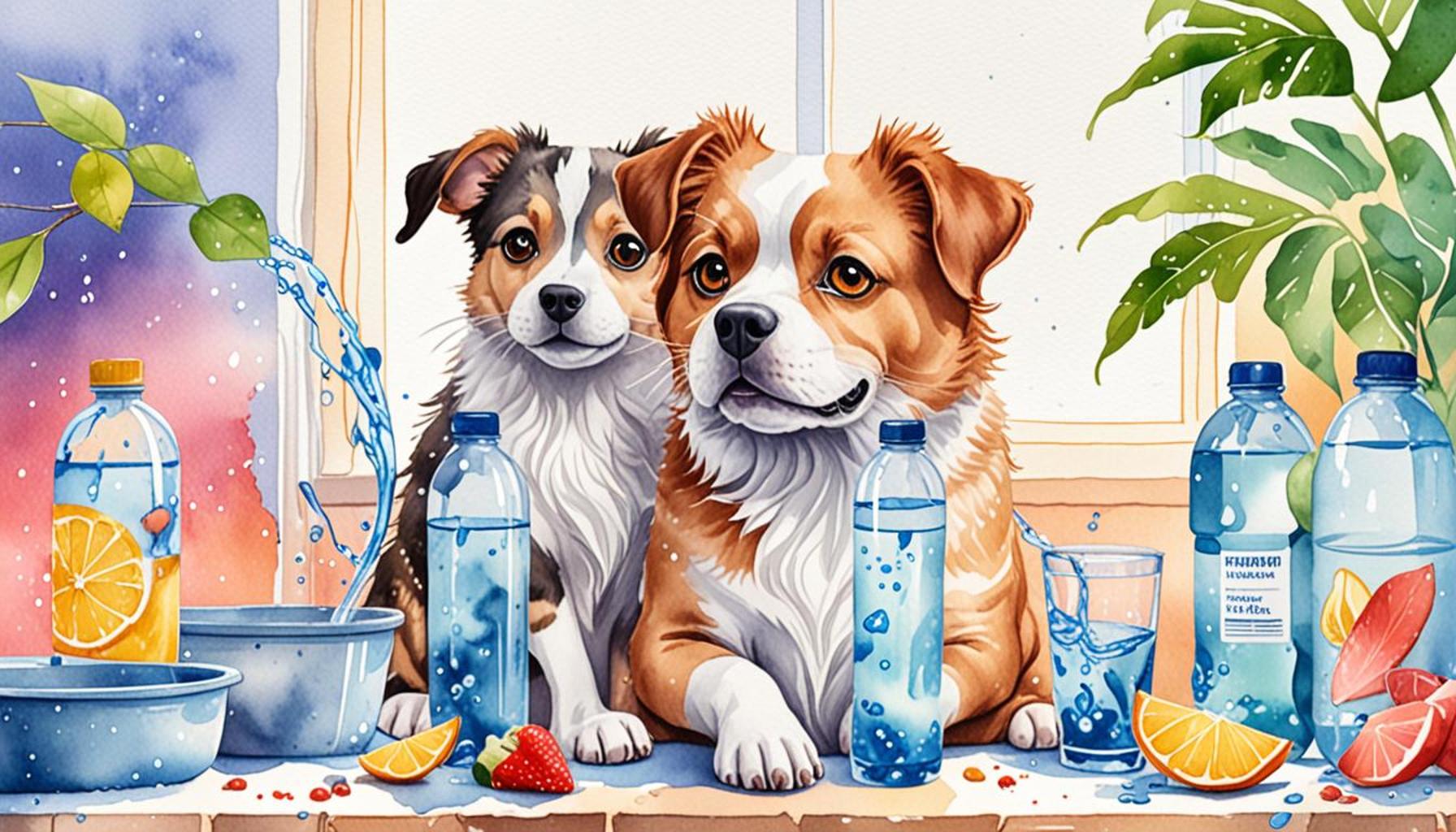
Every pet owner knows that water is life, but few fully appreciate the critical importance of proper hydration for our furry companions. Just like humans, pets require adequate fluids for their bodies to function effectively. Proper hydration supports various bodily functions, including digestion, circulation, and temperature regulation. Understanding how to keep our pets hydrated is fundamental to their overall health and well-being.
Critical Aspects of Hydration for Pets
Hydration goes beyond just quenching thirst; it significantly impacts multiple areas of your pet’s health. Here are several critical aspects to consider:
- Physical Performance: Hydration directly influences your pet’s energy levels, stamina, and overall physical performance. For instance, an active dog may require significantly more water after an intense play session or training. Just as athletes consume fluids to maintain performance, pets need adequate hydration to stay active and healthy.
- Preventing Health Issues: Inadequate water intake can lead to severe health complications, such as dehydration, kidney disease, and urinary tract infections. For example, seniors or pets with certain health conditions may have a higher predisposition to these issues, necessitating closer attention to their hydration needs.
- Temperature Control: Pets are unable to sweat like humans; instead, they rely on panting and evaporation through their skin to regulate body temperature. On sweltering summer days, ensuring your pet stays hydrated can help them avoid heat stroke and other heat-related illnesses.
Identifying Your Pet’s Hydration Needs
Unfortunately, ensuring your pet drinks enough water can be challenging. Factors such as age, activity level, diet, and climate contribute significantly to their hydration requirements. For instance, pets consuming dry food diets may require 1.5 to 2 times more water compared to those on wet food, which contains a substantial amount of moisture. Similarly, active breeds such as Labrador Retrievers may require more hydration than more sedentary breeds.
Signs of Dehydration in Pets
As responsible pet owners, it is vital to be aware of the signs of dehydration, which can be subtle yet severe. Look out for:
- Lethargy: A sudden drop in energy levels may indicate dehydration.
- Dry Gums: Healthy gums are typically moist; dry gums can be a sign of inadequate water intake.
- Loss of Skin Elasticity: Gently pulling the skin on the back of your pet’s neck can automatically suggest hydration levels; if the skin doesn’t bounce back quickly, it may indicate dehydration.
By prioritizing your pet’s hydration, you actively contribute to their overall well-being and longevity. Take the time to explore various methods to encourage your pet to drink, such as providing fresh water multiple times a day, using a pet water fountain, or even incorporating moisture-rich foods into their diet. Remember, a well-hydrated pet is not only a healthier pet but also a happier companion. Embrace this essential topic to fully understand how to keep your pets optimally hydrated and thriving.
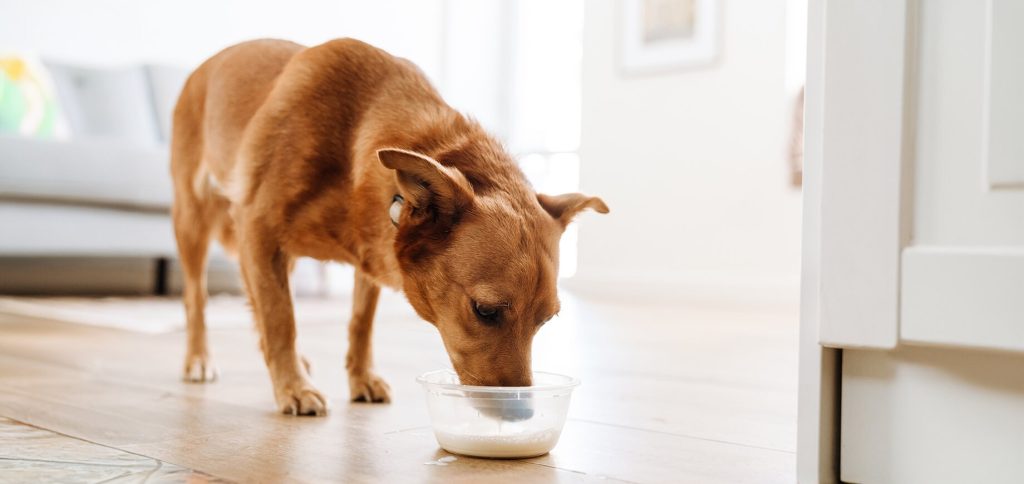
DISCOVER MORE: Click here for essential dog health tips
Understanding the Crucial Role of Hydration
For pet owners, maintaining your four-legged friend’s health starts with a fundamental yet often overlooked necessity: water. Proper hydration is not merely a matter of filling the water bowl but is essential for optimal pet health. Without sufficient water intake, even the most well-cared-for pet can suffer from serious health issues. Understanding the factors affecting your pet’s hydration and recognizing their specific needs can help prevent these complications and ensure they lead a happy, active life.
Factors Influencing Hydration Needs
Just like in humans, pets don’t have a one-size-fits-all hydration requirement. Several factors come into play when determining how much water your pet needs:
- Age: Puppies and kittens require more water relative to their size compared to adult pets because they are growing and have higher metabolic rates. Conversely, older pets may have varying hydration needs due to health issues.
- Activity Level: Active pets, especially those who enjoy vigorous exercise, will naturally require more water. A dog participating in a high-energy game of fetch on a sunny day needs to be well-hydrated to avoid fatigue and overheating.
- Diet: The type of food your pet consumes plays a critical role in their hydration requirement. Pets eating dry kibble usually need to drink more water compared to those on wet or canned diets, which already contain a significant amount of moisture.
- Climate: The weather plays a significant role in your pet’s hydration needs. Hot and humid conditions can lead to quicker dehydration, requiring pet owners to ensure fresh water is always available, particularly during the summer months.
Why Dehydration Is a Serious Concern
Dehydration, even in mild cases, can lead to a domino effect of health issues ranging from lethargy to severe medical conditions. It is essential for pet owners to recognize that prolonged dehydration can be fatal. Pets, especially those who are older or have pre-existing health conditions, face a higher risk. For instance, according to veterinary experts, chronic dehydration can lead to kidney disease, urinary crystals, and infections, all of which can become costly and complicated to treat.
Moreover, dehydration affects not only the physical but also the mental well-being of pets. Dogs and cats thrive on activity and play, and when their energy dips due to inadequate hydration, their playful spirit can suffer. This may lead to behavioral issues or decreased social interaction both with humans and other pets.
Understanding the signs of dehydration is crucial for every pet owner. Recognizing early indicators such as dry gums, diminished appetite, and unusual lethargy can mean the difference between a quick recovery and a trip to the veterinarian. By rendering hydration a priority, you can actively contribute to improving not just your pet’s health but their overall quality of life.
| Advantage | Description |
|---|---|
| Enhanced Energy Levels | Proper hydration supports overall energy, allowing pets to be more active and playful. |
| Supports Organ Function | Adequate water intake is crucial for optimal kidney and liver function, aiding in waste elimination. |
Proper hydration is as vital for pets as it is for humans, playing a significant role in their long-term health and wellbeing. When pets are well-hydrated, they show marked improvements in their performance and mood. Hydration directly influences their energy levels, with dogs and cats exhibiting increased enthusiasm during play and exercise.In addition to boosting activity, proper hydration is essential for the efficient functioning of vital organs like the kidneys and liver. These organs require a consistent supply of water to process waste effectively and regulate bodily functions. Neglecting hydration can lead to severe health issues, including urinary tract infections and kidney stones.Monitoring your pet’s water intake is crucial, especially in warmer weather or during physical activity. Keep an eye on their bowls and replenish water regularly to ensure they stay hydrated. Providing fresh, clean water at all times can significantly enhance your pet’s health and vitality. Always consult with your veterinarian regarding the best practices for hydration tailored to your pet’s specific needs.
DISCOVER MORE: Click here to learn about the significance of a balanced diet
The Connection Between Hydration and Nutrition
When discussing the importance of proper hydration for pet health, it’s impossible to ignore the vital connection between hydration and nutrition. The foods that pets consume can either support or hinder their hydration efforts. For instance, dry kibble, while convenient, may not provide adequate moisture content to help maintain optimal hydration levels. Pet owners must understand that these two components of a healthy diet work synergistically to foster a pet’s overall well-being.
Transitioning to Wet or Moist Diets
As many pet owners look for ways to enhance their pets’ hydration, switching to a wet or semi-moist diet can be beneficial. Canned food offers a moisture content of approximately 75-80%, making it a suitable option for pets that may not drink sufficient water. Additionally, mixing a bit of water or low-sodium broth with dry kibble can elevate hydration levels without drastically altering a pet’s diet. This simple tweak can be particularly useful for ensuring that older pets or those recovering from illness maintain adequate hydration.
Creating Hydration-Friendly Environments
In addition to dietary choices, the environment where pets live plays a crucial role in their hydration habits. Pet owners are encouraged to create hydration-friendly environments by providing multiple water sources throughout the house. Strategically placing water bowls in various rooms and ensuring they are cleaned and filled with fresh water regularly can encourage pets to drink more. Some pets are instinctively drawn to moving water, making pet water fountains a popular choice to stimulate their interest and increase their water intake.
- Pet Water Fountains: These devices can promote better hydration by keeping water fresh and moving. The constant action can attract pets and facilitate more frequent drinking.
- Portable Water Bottles: For active pets that accompany their owners on outdoor adventures, investing in portable water bottles with attached bowls ensures hydration is accessible wherever they go.
Monitoring Water Intake
Another critical aspect of ensuring that pets remain hydrated is effectively monitoring their water intake. Pet owners should be vigilant about changes in drinking behavior. Did your dog usually gulp down two cups of water a day, but now only manages one? Such shifts can be early warning signs of dehydration or underlying health problems. Keeping track of your pet’s hydration can empower you to act quickly, seeking veterinary advice when needed.
Hydration and Cats: Unique Considerations
Cats, in particular, present unique challenges concerning hydration. They often have a lower thirst drive compared to dogs and might not always recognize the need for additional water intake. Feeding cats wet food, encouraging water play, or providing a drinking fountain can make hydration more appealing. Moreover, cat owners should be aware of their pets’ urine output; dark, concentrated urine may indicate dehydration, warranting attention.
Overall, fostering an environment that promotes hydration and understanding the intricate relationship between diet and water intake can significantly contribute to your pet’s long-term health. By taking these steps, pet owners are not only ensuring their furry companions remain hydrated but are also nurturing their overall happiness and vitality, leading to many more years of shared joy.
LEARN MORE: Click here for essential tips on your dog’s health
Final Thoughts on Hydration and Pet Health
In summary, the importance of proper hydration for pet health cannot be overstated. Hydration serves as a foundational pillar that supports various physiological processes, including digestion, circulation, and temperature regulation. By recognizing the intricate interplay between hydration and nutrition, pet owners can make informed choices that positively impact their pets’ well-being. Transitioning to wet diets, creating hydration-friendly environments, and routinely monitoring water intake are proactive measures that can significantly enhance life quality for pets.
Moreover, special attention should be given to individual needs; for instance, cats may require additional encouragement to drink due to their lower thirst drive. By understanding and addressing these unique considerations, owners can foster habits that promote lifelong wellness. The introduction of pet water fountains or engaging in playful water activities can create an enjoyable experience that encourages pets to hydrate without the hassle.
Ultimately, prioritizing hydration not only helps avert potential health issues but also contributes to a more vibrant, energetic, and happy pet. With the right strategies in place, pet owners can enhance their companions’ health, ensuring a lasting bond full of joy and vitality. As you look after your furry friends, remember that a commitment to hydration is a commitment to their happiness—something truly worth investigating further.