How to Identify Signs of Stress and Anxiety in Pets and How to Relieve Them
Recognizing the Signs of Distress in Pets
Pets are not just animals; they are integral members of our families. As such, they deserve the same level of emotional care and understanding as any family member. Many pet owners may underestimate the depth of emotional distress that their pets can experience. The reality is, pets can face anxiety and stress, significantly affecting their overall well-being if these feelings are not addressed promptly.
Common Indicators of Pet Stress
Every pet, whether a dog, cat, or even a bird, can exhibit unique signs when it is feeling stressed. Here are a few common indicators that should prompt pet owners to pay closer attention:
- Excessive barking or meowing: This vocalization can be a cry for help, signaling that something is not right.
- Changes in appetite: A sudden loss of interest in food or excessive eating can indicate stress or anxiety.
- Destructive behavior: Pets may chew furniture or scratch surfaces out of frustration or a need to express their emotions.
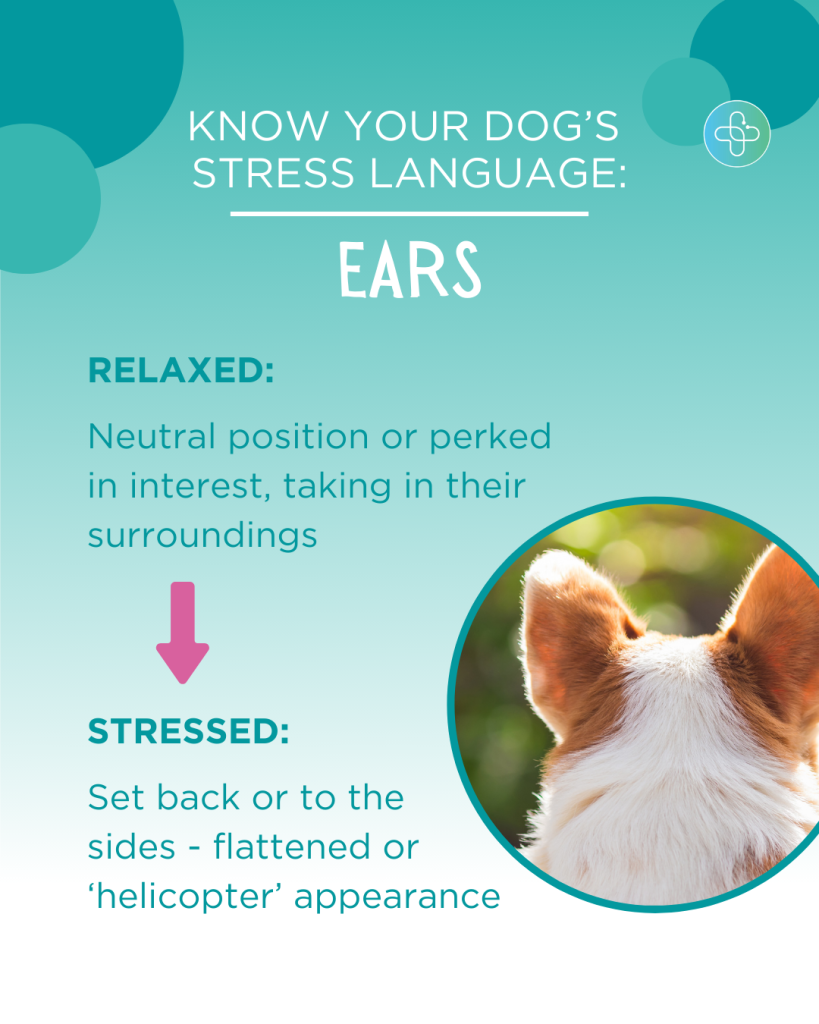
- Withdrawal and hiding behavior: When pets retreat to their favorite hiding spots, it may be a sign that they feel overwhelmed or frightened.
- Increased aggression: A normally friendly pet might display aggressive behavior towards you or other pets when distressed.
Understanding Triggers and Solutions
Understanding what causes stress in your pet is crucial. Common triggers can include loud noises like thunderstorms or fireworks, unfamiliar visitors, or changes in the household routine. Once identified, pet owners can take effective steps to alleviate their pets’ anxiety. For instance, during a thunderstorm, providing a cozy blanket fort or a safe space with soothing music can offer comfort.
To help relieve stress and promote emotional well-being, consider implementing these techniques:
- Providing a safe space: Create a designated area where your pet can feel secure, complete with blankets and toys they love.
- Engaging in regular exercise: Regular walks, playtime, or games of fetch can significantly help to burn off excess energy and lower stress levels.
- Utilizing calming aids: Products like pheromone diffusers or anxiety wraps can provide a calming effect similar to a comforting hug for your pet.
Being in tune with your pet’s emotions is not merely beneficial; it is essential for fostering a healthy and happy relationship. Responsible pet ownership involves creating an environment where pets feel safe, loved, and understood. By actively working to recognize and address their emotional needs, pet owners can greatly improve their furry companions’ lives.
In conclusion, tapping into this emotional connection not only enhances the bond with your pet but also promotes a healthier, more joyful lifestyle for both of you. Engaging more deeply in your pet’s emotional well-being might inspire you to research more about behavioral changes, explore obsolescence to stress, or even consult with a veterinarian for more tailored advice. After all, pets rely on us to be their advocates in the journey of life.
DON’T MISS: Click here for essential dog health tips
Understanding Your Pet’s Emotional Landscape
As loving pet owners, it is our responsibility to ensure not only our pets’ physical well-being but also their emotional health. Recognizing the signs of stress and anxiety in pets is the first step in providing them with the support they need. Pets may not have the ability to articulate their feelings as humans do, but they express distress through behaviors and changes in habits. Observing these signs closely can lead to a deeper understanding of their emotional needs.
Behavioral Cues of Stress and Anxiety
The manifestation of stress in pets can vary widely depending on the individual animal. Here are some critical behavioral cues that may indicate your pet is experiencing anxiety or stress:
- Excessive Grooming: Frequently licking, biting, or scratching at their fur can be a sign of nervous energy or discomfort.
- Pacing or Restlessness: If you notice your dog walking in circles or your cat moving from room to room without settling down, they may be feeling anxious.
- Clinginess or Seeking Constant Attention: Pets may turn to their owners for reassurance when they feel insecure, often staying close for prolonged periods.
- Changes in Sleeping Patterns: An increase in sleep may indicate an escape from stress, while a decrease may show restlessness or anxiety.
- Inappropriate Elimination: Accidents in the house can arise from stress, which indicates that a pet is feeling deeply unsettled.
As you begin to identify these signs in your furry companions, it’s essential to evaluate the source of their stress. Situational triggers might include recent moves, the death of a family member, introduction of new pets, or even changes in daily routine. Awareness of these triggers enables pet owners to make necessary adjustments to minimize anxiety-inducing circumstances.
Investigating Environmental Influences
Beyond inherent behavioral traits, environmental factors play a significant role in pet anxiety. Loud noises, such as thunderstorms, fireworks, or construction sounds, often frighten pets and can lead to heightened stress levels. Furthermore, changes in a pet’s environment, like new furniture or even a repositioning of their bed, can disrupt their sense of security. By being attuned to these variables, you can take proactive measures to create a calming environment.
Moreover, routines are vital for pets, as they thrive on predictability. A sudden change in feeding times, unexpected visitors, or a shift in your schedule can unsettle their established patterns. It’s crucial to be mindful of how your daily activities may directly influence your pets’ emotional state.
By recognizing these behavioral cues and understanding environmental influences, pet owners can become proactive advocates for their pets’ emotional health. These insights not only strengthen the bond between owner and pet but also pave the way to a happier and healthier living dynamic in your household. As you learn to navigate this emotional landscape, you empower yourself with the knowledge to alleviate stress and anxiety in your beloved companions.
| Signs of Stress and Anxiety | Ways to Relieve Them |
|---|---|
| Excessive barking or meowing | Create a calming environment with soft music and minimal distractions. |
| Destructive behavior | Engage them in regular exercise and interactive playtime to reduce pent-up energy. |
| Changes in appetite | Consult with a vet; consider nutrient-enriched treats to ease their transition. |
Recognizing the signs of stress and anxiety in pets is essential for their well-being. Many pet owners overlook behaviors like excessive barking, which might indicate they are feeling unsettled. Moreover, destructive actions can often stem from anxiety rather than mischief. It’s crucial to address these behaviors through effective and engaging methods tailored to their needs. In relief strategies, creating a serene environment can significantly help soothe an anxious pet. For instance, calm music can provide comfort, while a regular routine of play and exercise keeps them stimulated and less stressed. Additional dietary modifications might also play a role in managing their overall mood. Ensuring your pet receives the right loving support can improve their quality of life dramatically. By observing their behaviors closely, you can become their best advocate and caregiver.
LEARN MORE: Click here for insights on maintaining your pet’s health through diet
Effective Strategies for Easing Pet Stress and Anxiety
Once you have identified signs of stress and anxiety in your pets, the next critical step is to provide them with relief. Recognizing that our pets rely on us for emotional support, it is essential to implement effective strategies that can help diminish their anxiety levels while enhancing their overall well-being.
Creating a Safe Haven
One of the most effective methods for mitigating stress in pets is to create a designated safe space. This is a quiet area where your pet can retreat when feeling overwhelmed. It could be a specific room, a cozy crate, or even a corner of your living room that is free from noise and chaos. Incorporating their favorite blankets, toys, or items that smell like you can provide comfort and security and significantly decrease their anxiety.
Engaging in Physical Activity
Exercise is a powerful tool for alleviating stress and anxiety in pets. Regular physical activity not only burns off excess energy but also stimulates the production of endorphins—natural stress-relievers. For dogs, daily walks or play sessions in the park can work wonders. For cats, engaging in interactive play with toys or even laser pointers can help redirect their focus away from stressors. Keeping them active will not only improve their mood but also encourage a more balanced lifestyle.
Utilizing Calming Products
In recent years, various calming products specifically designed for pets have gained popularity. Items like calming collars, anxiety jackets, or pheromone diffusers can create a soothing atmosphere for anxious pets. Pheromones are scents that simulate the calming effects of mother’s pheromones on their young, providing a sense of comfort. Moreover, consider incorporating dietary supplements that promote relaxation. Many over-the-counter options, such as those containing L-theanine or calming herbs like chamomile and valerian root, can enhance your pet’s tranquility.
Consistent Training and Behavior Modification
Behavioral training can also play a significant role in managing anxiety. Consistent training techniques, such as positive reinforcement, can teach your pet healthier responses to stress triggers. For example, rewarding your pet for exhibiting calm behavior during stressful situations can help them associate those scenarios with positive experiences. Behavioral modification programs tailored to specific anxieties can further assist in providing systematic desensitization to their stressors.
Consulting the Experts
If your pet’s anxiety persists despite your best efforts, reaching out to a veterinarian or a pet behaviorist is crucial. These professionals can offer invaluable advice tailored to your pet’s unique needs, including the possibility of medication to manage chronic anxiety. Understanding that anxiety can be genetic or behaviorally motivated allows for a multifaceted approach to your pet’s treatment plan.
Investing time to understand and address your pet’s emotional well-being, along with the use of effective strategies, can greatly improve their quality of life. The deep emotional connections we share with our pets necessitate vigilance and responsiveness to their needs, ensuring that they feel secure, loved, and cared for. Through dedicated efforts to relieve stress and anxiety, we contribute not only to their happiness but to a harmonious household overall.
LEARN MORE: Click here to discover the best food for your cat
Conclusion
Understanding how to identify signs of stress and anxiety in pets is a fundamental responsibility for every pet owner. Recognizing behaviors such as excessive barking, hiding, or changes in appetite allows us to respond in a timely manner, fostering a supportive environment for our beloved companions. By prioritizing pet mental health through various techniques—such as establishing a safe space, encouraging physical activity, utilizing calming products, and applying positive reinforcement—you can take significant steps toward alleviating your pet’s discomfort.
Additionally, the importance of consultation with veterinary or behavioral professionals cannot be overstated. These experts can provide tailored strategies that are vital for pets experiencing severe anxiety. It’s vital to remember that every pet is unique, and while one solution may work for one, it may not be effective for another. Therefore, a personalized approach will always yield better results.
As we uncover new strategies and tools for pet care, we strengthen the bond we share with our pets. Their happiness directly reflects our commitment and understanding of their emotional needs. By being proactive and attentive, we not only enhance their quality of life but also cultivate a peaceful home environment. Investing in your pet’s emotional well-being today leads to a happier, healthier future for both you and your furry friend. Together, let’s advocate for the well-being of our pets, ensuring they feel loved, secure, and stress-free.