Dental Care: The Importance of Oral Hygiene for Pet Health
The Importance of Oral Hygiene for Pets
When it comes to ensuring our pets lead healthy lives, oral hygiene is a vital yet often overlooked aspect. Many pet owners underestimate the impact of dental care on overall well-being, leading to serious health issues down the line. Just like in humans, poor oral health in pets can create a cascade of problems affecting essential organs and overall health.
Consider these astonishing facts:
- Approximately 80% of dogs and 70% of cats show signs of dental disease by age three. This statistic underlines the urgency of dental care early in their lives.
- Oral diseases can lead to complications such as heart, liver, and kidney problems. Bacteria from untreated dental issues can enter the bloodstream, potentially causing serious infections in vital organs.
- Regular dental cleanings can help prevent dental diseases and increase your pet’s lifespan. Many veterinarians report that pets with healthy teeth and gums tend to live longer, happier lives.
By prioritizing oral hygiene, pet owners can drastically reduce the risk of dental issues and promote a healthier lifestyle for their furry companions. It’s essential to understand the simple steps you can take to maintain your pet’s oral health, including:
- Daily tooth brushing: Brushing your pet’s teeth daily, ideally using a toothpaste specifically designed for animals, helps remove plaque before it solidifies into tartar.
- Regular dental check-ups: Annual veterinary visits should include dental examinations. Your vet can advise on professional cleanings tailored to your pet’s needs, ensuring that any problems are addressed early on.
- Providing dental chews and toys: Many pet-specific products are designed to improve oral health while keeping your pet entertained. These can help reduce plaque and prevent tartar buildup.
Equip yourself with the knowledge of effective dental care practices and learn how to spot early signs of trouble such as bad breath, inflamed gums, or difficulty eating. By doing so, you’re not just preventing bad breath or tartar buildup; you’re setting the foundation for a healthier, happier pet. In the United States, awareness around pet dental health is increasingly growing, leading to more pet owners seeking out resources and products that foster better oral hygiene. The next time you cuddle with your pet, take a moment to think about their oral health; investing in it today yields a lifetime of benefits.
LEARN MORE: Click here to dive deeper
Understanding Dental Disease in Pets
To appreciate the significance of oral hygiene in pets, it is crucial to first understand what dental disease entails and how it manifests in our furry friends. Dental disease primarily refers to the buildup of plaque and tartar, which can lead to gingivitis, periodontal disease, and other severe complicating conditions. Many pet owners may mistakenly dismiss the signs of a dental problem, often attributing bad breath or decreased appetite to an aging pet rather than to oral health issues.
According to studies, as pets age, the risk of dental disease increases significantly. As early as three years old, many dogs and cats show visible signs of gum disease, such as redness and swelling. When left untreated, these conditions can deteriorate rapidly, resulting in painful and distressing experiences for pets. In fact, the connection between dental health and overall wellness is so profound that it has been documented that untreated dental disease can lead to systemic effects that compromise heart, liver, and kidney functions.
Signs of Dental Disease
Recognizing the early signs of dental disease is essential for effective intervention. Pet owners should actively monitor for the following symptoms:
- Bad Breath: While a little pet breath can be expected, foul-smelling breath (halitosis) may indicate a buildup of plaque or periodontal disease.
- Pawing at the Mouth: Pets often paw at their face or mouth when they are in discomfort, indicating potential oral issues.
- Difficulty Eating: If your pet hesitates to eat or shows signs of chewing more slowly, it may be experiencing dental pain.
- Swollen Gums: Inflammation or bleeding around the gums is a decisive indicator of dental disease and warrants immediate veterinary evaluation.
- Changes in Behavior: Reluctance to play and a general decrease in energy can suggest that your pet is experiencing pain, possibly stemming from dental issues.
Addressing these concerns promptly with your veterinarian is crucial. Many pet owners may underestimate the power of a comprehensive dental examination, which can reveal underlying issues that might not be visible during a standard check-up. Regular cleanings and check-ups can play a significant role in catching problems before they escalate, thus ensuring that your beloved companion remains healthy and vibrant.
In the United States, the emphasis on pet oral health is gaining momentum. Pet owners are increasingly becoming aware of how vital dental care is, leading to an uptick in products designed to promote oral hygiene. From dental diets to specially formulated chews and dental waters, there are numerous options available to support your pet’s dental health. By integrating these practices into regular care routines, you can mitigate the risks associated with dental disease and enhance your pet’s quality of life.
| Advantage | Explanation |
|---|---|
| Improved Overall Health | Maintaining oral hygiene can prevent bacteria from entering the bloodstream, reducing the risk of serious health issues. |
| Enhanced Quality of Life | Pets with healthy teeth and gums experience less pain and discomfort, leading to a happier and more active lifestyle. |
The importance of dental care for pets cannot be overstated. Regular dental hygiene is essential not just for maintaining fresh breath, but also for ensuring that pets live longer, healthier lives. Just like humans, pets are prone to dental diseases such as gingivitis and periodontal disease. These conditions can escalate to more severe health issues over time, affecting not only their mouth but also their organs.Additionally, pet owners must understand that diets high in carbohydrates can contribute to plaque buildup. Regularly scheduled check-ups and thorough cleanings by a veterinarian can assist in preventing dental issues. Home care is equally important; using veterinary-approved toothpaste and toothbrushes can make the process smoother. By prioritizing dental care, owners can dramatically improve their pets’ well-being and happiness while avoiding costly health care bills in the future.
LEARN MORE: Click here for insights on balanced diets
Preventive Measures for Maintaining Pet Oral Health
Taking a proactive approach to your pet’s oral hygiene can significantly minimize the risk of developing dental diseases. Regular maintenance not only benefits the teeth and gums but also enhances the overall health of your furry companion. So, what are the most effective ways to ensure your pet enjoys optimal dental wellness?
Regular Dental Check-Ups
Scheduling regular veterinary dental check-ups is one of the most effective preventive measures you can take. Veterinarians can perform thorough examinations, identify any potential issues early on, and provide professional cleanings that you may not be able to achieve at home. Most pet owners should aim for a dental exam at least once a year; however, pets with a history of dental issues may require more frequent visits.
At-Home Dental Care
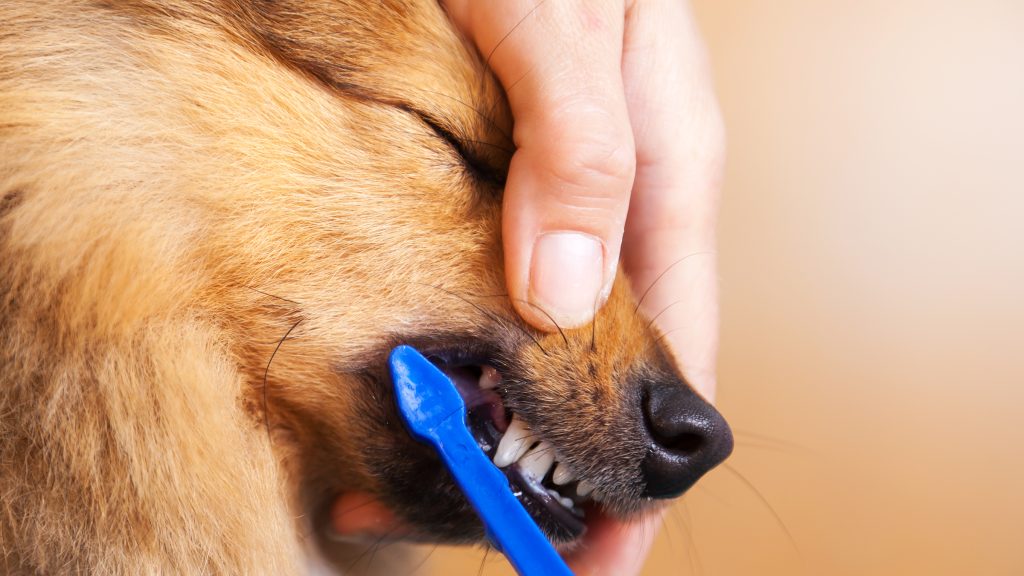
Incorporating at-home dental care routines can make a world of difference. Brushing your pet’s teeth several times a week—preferably daily—is recommended. Start by introducing a pet-safe toothbrush and toothpaste to familiarize your pet with the experience. Here are some tips for successful at-home dental care:
- Use the Right Products: Always choose a toothpaste specifically formulated for pets. Human toothpaste can contain ingredients that are harmful to your furry friends.
- Make it a Positive Experience: Reward your pet with praise or treats after brushing to create a positive association with the process.
- Gradual Introduction: If your pet is unaccustomed to having its teeth brushed, start slowly. Allow them to sniff the toothbrush and taste a small amount of toothpaste before attempting to brush.
Dental Chews and Toys
Another excellent resource in the fight against dental disease is dental chews and toys. Many such products are designed to help reduce plaque buildup while providing entertainment for your pet at the same time. Look for products that have been approved by veterinary dental organizations; these typically provide the most significant oral health benefits. Additionally, chewing promotes saliva production, which aids in rinsing away food particles and plaque from your pet’s mouth.
Dietary Considerations
Your pet’s diet plays a crucial role in their oral health. Certain dental diets are formulated to target plaque and tartar buildup, making them effective options for maintaining oral hygiene. Consult with your veterinarian about the best dietary choices for your pet based on age, size, and any specific health concerns. Incorporating fresh vegetables like carrots can also provide texture that helps in cleaning teeth naturally.
Regular Monitoring and Awareness
Maintaining an ongoing dialogue with your veterinarian about your pet’s dental health is vital. Pet owners should remain vigilant and aware of any changes in their pet’s oral health. Understanding the demand for oral care not only fosters a habitat of wellness but instills a sense of responsibility among pet owners. The American Veterinary Medical Association advises pet owners to make dental health part of their routine, just like regular vaccinations or grooming.
Investing time and energy in your pet’s dental care can yield remarkable rewards. With the right preventive measures, you can protect them from dental diseases while enhancing their overall quality of life. Remember, a happy pet often begins with a healthy smile!
DISCOVER MORE: Click here for essential dental care tips for your cat
Conclusion
In conclusion, maintaining optimal oral hygiene is pivotal for your pet’s overall health and well-being. By prioritizing dental care, pet owners can significantly reduce the risks of dental diseases that not only affect the mouth but can also have serious repercussions on the heart, liver, and kidneys. Regular check-ups with your veterinarian, combined with a consistent at-home dental care routine, diet tailored to dental health, and the use of dental chews, play a vital role in preventing painful conditions such as periodontal disease.
Furthermore, enhancing your pet’s dental health can lead to a happier and more vibrant life. The connection between one’s oral care and general health is a compelling reason to instill good habits from an early age. It’s never too late to start; even adult dogs and cats can benefit from improved dental practices. Engaging your pet with brushing sessions and rewarding them with dental treats can make oral hygiene a fun activity rather than a chore.
As responsible pet owners, it is crucial to stay informed about your pet’s dental health and implement preventive measures proactively. Much like vaccinations and regular exercise, integrating dental care into your pet’s routine is essential for their longevity and happiness. A pet with a bright, healthy smile is a true testament to dedicated care—after all, a pet’s well-being starts with their oral health.