Balanced Diets The Key to Pet Health and Wellness
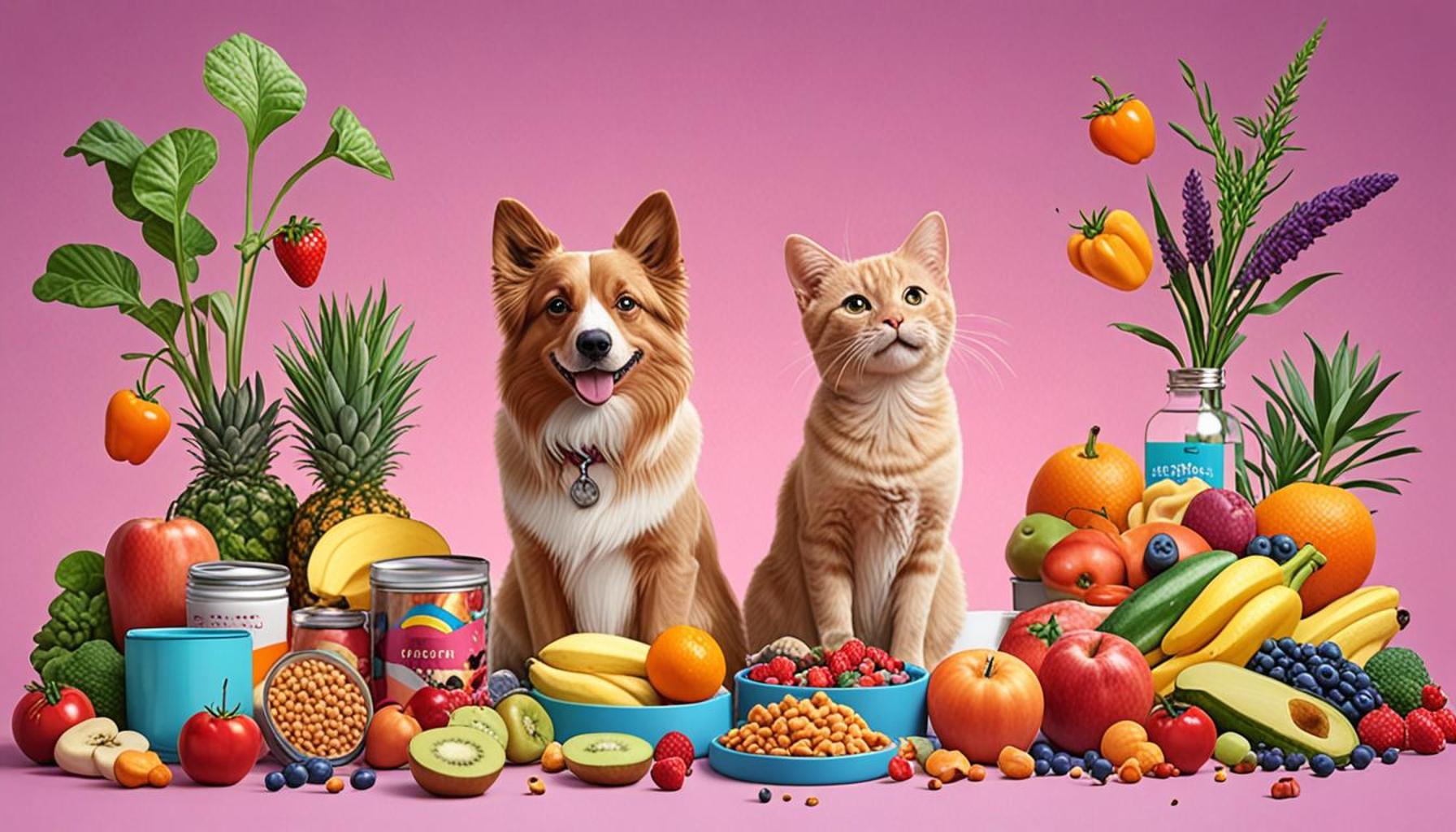
The health of our beloved pets is paramount, and one of the most crucial factors influencing their wellbeing is nutrition. A balanced diet can significantly impact not only the length of a pet’s life but also its quality. As responsible pet owners, understanding the importance of choosing the right food is essential for promoting vitality and preventing diseases.
In fact, studies have shown that pets receiving well-balanced meals experience fewer health issues compared to those with poor dietary habits. This raises several important questions: What constitutes a balanced diet for pets? How do certain nutrients directly affect their health? This article will guide you through the significant aspects of pet nutrition.
Get ready to dive into the essentials of a healthy pet diet!
Moreover, we will unveil our Top 5 dietary considerations every pet owner should prioritize. By the end of this article, you’ll be equipped with the knowledge to make informed choices, ensuring your furry friends live their happiest and healthiest lives.
The Importance of Balanced Nutrition for Pet Health: Top 5 Reasons
As pet owners, ensuring that our furry companions receive a balanced diet is paramount to their health and happiness. While many of us focus on providing love and care to our pets, their diet is equally important, if not more so. Just as humans need a mix of vitamins, proteins, fats, and carbohydrates to lead a healthy life, pets, too, require a range of essential nutrients to thrive. In this article, we’ll delve into the top five reasons why balanced nutrition is crucial for pets. From preventing obesity to enhancing longevity and quality of life, let us explore the profound impact of diet on our pets’ well-being.
5. Preventing Obesity
Obesity in pets is a growing epidemic that poses serious health risks. Recent studies have shown that a significant proportion of pets in developed countries are overweight. Obesity in pets not only affects their physical appearance but also predisposes them to various health problems, such as diabetes, cardiovascular diseases, and joint disorders.

Many pets become overweight due to a combination of excessive feeding, including treats, and a lack of exercise. Often, their diets consist of low-quality foods that are high in fillers and fats. A balanced diet can significantly reduce the risk of obesity, incorporating the right amounts of protein, fats, and carbohydrates, alongside essential vitamins and minerals.
To help combat obesity, pet owners can:
- Measure food portions accurately: Use measuring cups or a kitchen scale to ensure portion control.
- Choose high-quality commercial diets: Look for reputable brands that list high-quality, whole-food ingredients.
- Incorporate regular exercise: Encourage daily walks, playtime, and stimulating activities to maintain a healthy weight.
Maintaining a healthy weight not only extends your pet’s life expectancy but also enhances their quality of life by keeping diseases at bay.
4. Improved Digestion
The quality of food plays a pivotal role in a pet’s digestive health. Many pets suffer from gastrointestinal issues, which often stem from inappropriate or poor-quality diets. Feeding pets a balanced diet full of digestible ingredients can prevent these issues, improving overall gut health and nutrient absorption.
Key components of pet diets that support good digestion include:
- High-quality proteins: Proteins can vary widely in their digestibility; therefore, selecting a source that is easily digestible can reduce digestive strain.
- Balanced fibers: Fiber is essential for healthy bowel movements and preventing constipation or diarrhea in pets.
- Probiotics and prebiotics: These contribute to a healthy gut microbiome, crucial for effective digestion and nutrient absorption.
A diet rich in these components not only aids digestion but also ensures that pets maintain consistent energy levels, vital for their playful nature.
3. Strengthened Immune System
The immune system is a pet’s natural defense against infections and diseases. A well-balanced diet can enhance a pet’s immune response, making them less susceptible to health problems. Nutrients play a critical role in fortifying the immune system.
Some of the best nutrients to include for immune support are:
- Omega-3 fatty acids: These help reduce inflammation and improve the efficacy of the immune system.
- Vitamins C and E: Powerful antioxidants that help protect cells from damage by free radicals.
- Zinc: Essential for maintaining immune function and healing wounds.
With a strong immune system, pets are more likely to recover quickly from illnesses and avoid chronic diseases, profoundly impacting their quality of life.
2. Healthy Skin and Coat
The condition of a pet’s skin and coat is often reflective of their internal health. Supplementing a pet’s diet with essential fatty acids can lead to noticeable improvements in their appearance.
Essential fatty acids like Omega-3 and Omega-6 are known for their ability to:
- Moisturize the skin: Keeping dryness and itchiness at bay.
- Reduce shedding: Leading to a cleaner home and healthier pet.
- Prevent skin allergies: Fighting irritation and dermatitis.
Overall, maintaining a shiny, healthy coat gives pet owners peace of mind regarding their pet’s health and is a clear indicator of balanced nutrition.
1. Enhanced Longevity and Quality of Life
The ultimate goal of providing a balanced diet is to enhance a pet’s longevity and quality of life. The right nutrition nourishes every system in a pet’s body, from the heart and brain to muscles and bones, extending both lifespan and life quality.
Research consistently shows that pets fed complete, balanced diets tend to outlive their counterparts on poorer diets. Factors contributing to this include:
- Lower risk of chronic diseases: Quality food prevents the onset of diseases such as arthritis and diabetes.
- Better weight management: Keeping pets slim and fit reduces the burden on their joints and organs.
- Improved mental health: Optimum nutrition fuels mental agility, encouraging regular play and learning.
By investing in balanced nutrition, pet owners are ensuring their pets enjoy a vibrant life full of energy and happiness. Ultimately, nutrition is not merely a component of pet health but the cornerstone of a happy, healthy life for our beloved companions.
| Nutritional Benefits | Key Aspects |
|---|---|
| Enhanced Immune Function | A balanced diet enriched with essential vitamins and minerals strengthens pets’ immune systems, making them less susceptible to infections and chronic diseases. |
| Healthy Weight Management | Proper portion control and nutrient-dense foods help maintain an ideal weight, reducing the risk of obesity-related issues such as diabetes and joint problems. |
| Improved Digestive Health | Including fiber-rich ingredients in their diet supports gut health, leading to better digestion and nutrient absorption, promoting overall vitality. |
| Shiny Coat and Healthy Skin | The right balance of fatty acids and proteins fosters a lustrous coat and boosts skin health, demonstrating external signs of a pet’s internal well-being. |
Maintaining a balanced diet for pets isn’t just about providing food; it’s about ensuring that every meal contributes to their long-term health and happiness. As pet owners, understanding the intricate details of a pet’s nutritional needs is paramount. Each category of benefits listed above provides insight into how dietary choices can significantly affect various aspects of a pet’s life.For instance, bolstering their immune system through a well-rounded diet can help prevent serious health crises down the road. Pets consuming the right amounts of vitamins, such as Vitamin E and C, alongside essential minerals like zinc, can better fend off illnesses. This proactive approach to diet not only saves pet owners from the emotional strain of handling a sick pet but also reduces veterinary costs.Additionally, a focus on weight management is crucial in curbing the rising trend of obesity in pets. By understanding the caloric and nutritional content of their foods, pet owners can help their furry friends maintain a healthy lifestyle. Obesity is often described as the silent epidemic among pets, and tackling it begins with a commitment to nurturing their dietary habits.Digestive health is another significant aspect that cannot be overlooked. Balanced meals containing high-quality proteins and fiber play an essential role in keeping a pet’s digestive tract functioning optimally. By avoiding fillers and low-quality ingredients, pet owners set their companions on a path to improved digestion.Lastly, the aesthetic benefits of a balanced diet shouldn’t be underestimated. A shiny coat and healthy skin not only please the eyes but also serve as vital indicators of a pet’s overall health. Ingredients rich in omega fatty acids make a visible difference, supporting the body’s natural defenses against skin irritations and allergies. Incorporating this knowledge into everyday feeding practices can lead to substantial improvements in the quality of life for pets. The journey to an optimal diet may involve planning and research, but the payoff in terms of health and happiness is indisputable.
Frequently Asked Questions about the Importance of a Balanced Diet for Pets
What are the benefits of a balanced diet for pets?
Providing your pet with a balanced diet offers numerous benefits. It helps in maintaining their overall health and well-being, supports a healthy immune system, and maintains optimal body weight. A balanced diet ensures pets receive essential nutrients such as proteins, fats, vitamins, and minerals, which are crucial for energy production, tissue maintenance, and growth.
How can I tell if my pet’s diet is balanced?
Ensuring your pet’s diet is balanced involves checking the nutritional content of their meals. A well-balanced diet should include a correct mix of proteins, carbohydrates, fats, vitamins, and minerals. Commercial pet foods often specify this on their labels. Observing your pet’s coat condition, energy levels, and digestion can also provide clues about dietary adequacy. Consulting with a veterinarian can help tailor a diet specific to your pet’s needs.
Can a poor diet affect a pet’s behavior?
Yes, a poor diet can significantly impact a pet’s behavior. Nutritional deficiencies can lead to issues such as hyperactivity, lethargy, and anxiety. Certain nutrients, like omega-3 fatty acids and certain vitamins, are essential for brain health and can influence a pet’s mood and demeanor. Thus, a balanced diet plays a crucial role in supporting both physical and behavioral health.
Are supplements necessary for pets with a balanced diet?
In most cases, if a pet is on a well-formulated and balanced diet, supplements may not be necessary. However, some pets have specific needs due to their health conditions or life stages that might require additional supplements. Before adding any supplements, it’s critical to consult with a veterinarian to avoid over-supplementation, which can sometimes lead to health issues.
Conclusion
In today’s world, an increasing number of pet owners are recognizing the critical role that a balanced diet plays in maintaining the health and vitality of their pets. A well-balanced diet not only contributes to a pet’s longevity but also enhances their quality of life. By ensuring a proper mix of proteins, fats, carbohydrates, vitamins, and minerals, pet owners can help prevent common illnesses and support their pets’ overall wellness.
Throughout the article, several key points have been emphasized. First, understanding the specific dietary needs of different species and breeds is crucial in creating a suitable eating plan. Second, the adverse effects of an unbalanced diet are profound and can lead to obesity, diabetes, and heart issues, highlighting why attention to meal composition is essential.
Moreover, we’ve explored how the inclusion of high-quality ingredients and the avoidance of toxic foods can significantly impact a pet’s health. The introduction of natural and organic options is gaining popularity and showing promising results in pet health management. Monitoring portion sizes and meal frequency also serves as a foundational strategy for maintaining a healthy weight.
These insights underscore the importance of informed choices and continual evaluation of a pet’s dietary regimen. Pet owners are encouraged to consult with veterinarians and pet nutritionists to tailor diets that meet their furry friends’ unique needs. Ultimately, the endeavor to provide balanced nutrition is not just about feeding routines but nurturing a symbiotic relationship that promotes mutual well-being and happiness.
As we delve deeper into understanding the pet nutrition landscape, it’s clear that being proactive and knowledgeable about dietary choices will pave the way for healthier, happier pets. This critical topic opens doors for further research and innovation, offering exciting possibilities for elevating pet care to the next level.