
Emotional Impact of Animal Adoption Success Stories Challenges
The Emotional Journey of Animal Adoption
Adopting an animal is far more than just bringing a pet into a home; it can greatly alter the emotional landscape of both the adoptee and their new companion. With countless success stories showcasing how adoption transforms lives and communities, there remains a darker side involving challenges faced by both animals and their owners. Understanding this emotional impact sheds light on the profound connections formed and the responsibility that comes alongside adopting a furry friend.
Relevance in the Pet Community
The conversation around animal adoption is significant in today’s society as shelters are often overwhelmed with pets in need of a loving home. Through awareness, we can recognize the benefits and challenges of this process, leading to more informed decisions. The emotional rewards of adopting an animal can uplift not just the pet, but also provide therapeutic benefits to the owner.
Exploring Real Stories
In this article, we will delve deeper into the narratives surrounding animal adoption, highlighting both impressive success stories and hurdles that often lurk beneath the surface. You will discover:
- The heartwarming transformations of adopted pets
- The emotional toll on both animals and their new families
- Real-life accounts from adopters and shelters
- Factors influencing successful adoption and integration
- Resources available for potential adopters and existing pet owners
Join us in the journey as we rank the Top 5 poignant emotional impacts of animal adoption, educating and inspiring others to consider this life-changing decision.
Top 5: The Emotional Impact of Animal Adoption: Success Stories and Challenges
Adopting a pet is an endeavor that not only changes the life of the animal but also profoundly affects the adopter. The emotional implications are extensive, woven with threads of joy, challenge, empathy, and growth. As we delve into the emotional heart of animal adoption, let us uncover the top five narratives that showcase the intricate landscape of this life-altering journey. These stories of struggle, connection, and healing illuminate the varied facets of pet adoption, inviting us to explore deeper and think about our own relationships with these loyal companions.
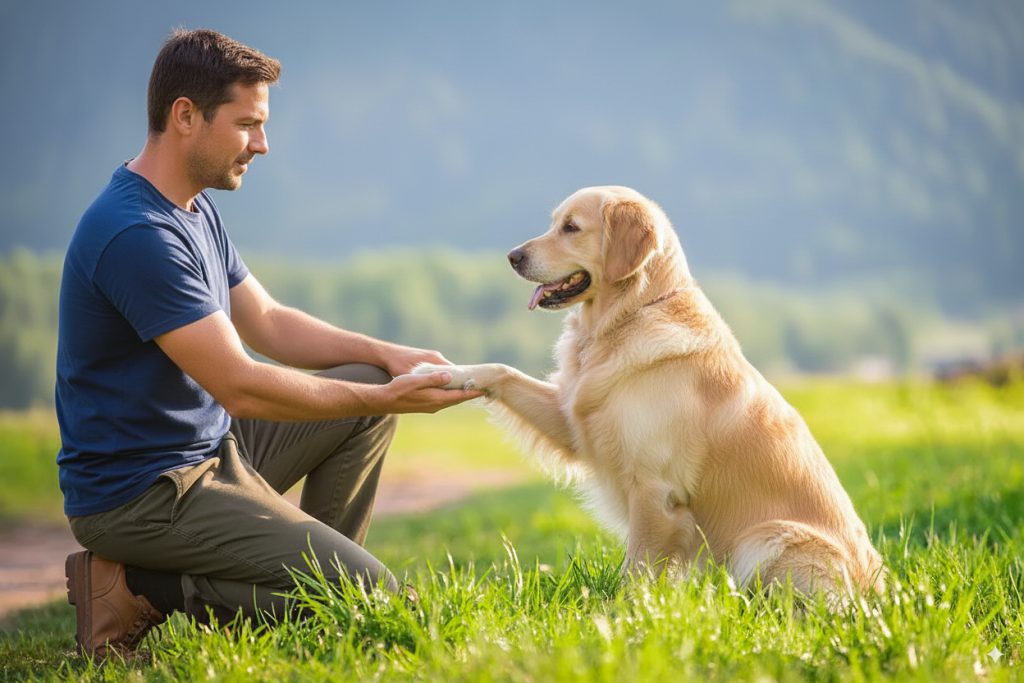
5. The Struggles of Adjusting to a New Home
The adjustment period following adoption can be a turbulent time for both pets and their new families. Imagine being transported into an alien environment where everything is unfamiliar—a scenario many pets face when they leave shelters or previous homes for new beginnings. Understanding that this adjustment phase is a normal part of the adoption process is crucial. It demands patience and often tests the commitment levels of the adopters.
Adopted animals might exhibit signs of anxiety or stress such as hiding, excessive barking, or destructive behavior. These reactions are natural responses to change. Turning the unfamiliar into a safe haven for these animals requires time and care. New owners must learn to read pet behavioral cues, adapting their responses to support the animal’s adjustment process.
To aid in this transition, adopters can turn to a wealth of resources. Pet behavior workshops offer practical strategies for easing animal anxiety, while online forums build community networks where advice and stories of shared experiences are exchanged. Moreover, professional help from trainers and veterinarians offers tailored solutions to integration challenges, ensuring that the new home is as inviting and stable as possible for the pet.
4. The Bond of Rescue
There is something profoundly transformative about the bond that develops between rescue animals and their adopters. This connection often brings about a significant drop in loneliness and depression among new pet owners. According to a study by the Human-Animal Bond Research Institute, nearly 60% of pet owners reported an improvement in well-being due to their pets.
Consider a story that echoes this sentiment—a woman who rescued a stray dog from the streets. Initially, the dog was wary and mistrustful, but her unwavering dedication gradually nurtured a strong bond between them. This evolved from a simple companionship into a partnership strengthened by resilience and empathy. The resulting connection goes beyond mutual affection, encompassing shared healing and a deep understanding that often characterizes these rescue relationships.
3. Lessons in Patience and Understanding
The path of pet adoption is also a journey in learning profound lessons about patience and understanding. New pet owners quickly find themselves developing these crucial skills as they tackle the challenges of nurturing a strong relationship with an animal. This process is about more than just care; it involves recognizing when a pet is uncomfortable or distressed—vital aspects of their well-being.
Each pet and adoption narrative stands unique, necessitating different methods for connection and care. Key lessons in patience and understanding include:
- Time is essential: Allowing pets to settle at their pace fosters trust naturally.
- Active listening: Observing pets’ body language reveals much about their needs and emotions.
- Consistent routines: Regular feeding and exercise schedules can significantly reduce anxiety.
The best part is that these competencies extend beyond pet ownership, fostering personal growth in adopters. Enhanced empathy and patience permeate other areas of life, improving interpersonal relationships and emotional sensibility.
2. The Healing Power of Animals
The capability of animals to heal emotional wounds is one of the most touching aspects of pet adoption. Scientific research has consistently shown that pets offer profound mental health advantages, such as reducing anxiety and stress. They provide solace during grief or hardship, creating a concurrent path of healing and resilience.
For instance, a veteran grappling with PTSD might find an emotional support dog an invaluable companion. Besides alleviating symptoms, the dog encourages social interactions that were once daunting. This profound exchange between the animal and the human not only testifies to their bond but also underscores the crucial role pets play in our narratives of healing. Pets become not just companions, but central to our emotional rehabilitation.
1. Unconditional Love and Belonging
The pinnacle of the emotional rewards of animal adoption is the experience of unconditional love. Unlike humans, animals possess a remarkable ability to offer support and affection without judgment. This connection fulfills a basic human need for acceptance and belonging. Moreover, the love shared with an adopted animal often becomes a cornerstone for an individual’s emotional wellness.
Countless narratives capture the depth of this relationship, showing how adopted animals become life-altering entities. Take, for instance, a couple long yearning for family; their adopted cat unexpectedly unified them in purpose and companionship. This shared love doesn’t merely bring joy—it redefines what many know about fulfillment and genuine connection. This is the promise and potential of pet adoption, showcasing the joy and profound impact it can have on everyone involved, human and animal alike.
| Category | Description |
|---|---|
| Psychological Benefits | Adopting an animal can lead to enhanced emotional well-being, significantly reducing feelings of loneliness and depression. The interaction with pets increases levels of serotonin and dopamine, contributing to a greater sense of happiness. |
| Success Stories | Many individuals have transformed their lives through the adoption of animals. For example, a family that adopted a shelter dog found not only companionship but also an improved family dynamic, as caring for a pet fostered unity and responsibility. |
| Challenges Faced | Despite the positives, adopting an animal can present challenges such as behavioral issues or the need for lifestyle adjustments. These challenges may require patience and commitment, but they often lead to profound emotional rewards. |
| Community Impact | Pet adoption initiatives often create community engagement, bringing people together for a common cause. Stories of successful adoptions inspire others to consider adopting, fostering a cycle of compassion and awareness regarding animal welfare. |
The emotional impact of adopting animals extends beyond individual experiences; it is intertwined with community well-being and awareness. Each adoption story contributes to a greater narrative about the power of compassion. Many individuals, upon reflecting on their pet adoption journeys, find themselves not only changed personally but also inspired to advocate for broader animal welfare initiatives. They develop a narrative that invites others, through their stories, to see the benefits not just for themselves but for society as a whole.In this landscape of emotional connectivity with animals, success stories emerge as powerful illustrations of the bonds formed. For instance, a former athlete shared how adopting a cat helped him cope with post-competitive anxiety. The emotional support offered by this furry companion became a lifeline, emphasizing how the act of adoption can lead to unexpected healing. However, it is essential to remain mindful of the challenges that come with bringing a new animal into one’s life. Potential adopters must carefully assess their readiness to address behavioral challenges that may arise, including separation anxiety or aggression in previously abused animals. This emphasis on preparation can significantly influence the success of an adoption.Ultimately, the cycle of pet adoption serves as a multidimensional societal phenomenon, melding personal stories with communal action. By understanding and sharing these experiences, individuals contribute to a growing dialogue around the profound emotional impacts of animal adoption.
Frequently Asked Questions: The Emotional Impact of Pet Adoption
What are the emotional benefits of adopting a pet?
Adopting a pet can bring numerous emotional benefits. One of the most significant is the companionship and unconditional love that animals provide, which often leads to improved mental health. Studies have shown that spending time with pets can reduce stress, anxiety, and depression, as well as increase feelings of happiness and emotional well-being. Owners often report a sense of purpose and a routine that comes with looking after their pets.
What challenges do adopters face when bringing a new pet home?
While adopting a pet is rewarding, it also comes with its own set of challenges. Initially, there may be adjustment periods as the pet acclimatizes to its new environment. This can include house training, establishing a feeding schedule, and dealing with any behavioral issues. Additionally, adopters must be prepared for the long-term commitment, both in terms of time and financial resources, necessary for the care of a pet.
How can adopting a pet impact family dynamics?
Introducing a pet into a family can significantly alter its dynamics. Pets often become bonds within family members, fostering experiences that bring everyone closer together, such as walking or playing with the pet. However, it’s essential to ensure that all family members are on board and understand their roles in the pet’s care to prevent any potential conflicts or unbalanced responsibilities.
Are certain animals more challenging to adopt than others?
Yes, some animals may present more significant challenges than others. For instance, rescue animals or those with a history of trauma might require more patience and specialized training to adjust and trust their new owners. Additionally, some breeds may have specific needs or behavioral traits that must be considered before adoption to ensure a suitable match between the pet and its new home.
What resources are available for those considering pet adoption?
There are various resources available to support potential adopters. Many shelters offer adoption counseling services that help match pets with owners based on lifestyle and preferences. Additionally, post-adoption support such as training classes and online communities can provide guidance and reduce the challenges faced in the early stages of adoption. It’s also advisable to consult with veterinarians for health-related queries and join local support groups to connect with other pet adopters.
Conclusion
The emotional impact of animal adoption is a dynamic and multifaceted subject, intertwining success stories with their inherent challenges. As we explored in this article, the joy and fulfillment brought by adopting a pet can be profound. These animals often become much more than just companions; they transform into family members, offering unconditional love and contributing to mental well-being.
While adoption journeys frequently culminate in heartwarming success tales, they are not without hurdles. From integrating a new pet into a household to addressing behavioral and health issues, adopters often encounter obstacles requiring patience and understanding. Despite these challenges, the rewards often far outweigh the difficulties, with adopters reporting enhanced emotional resilience and increased happiness.
An essential takeaway is the emphasis on access to proper resources and support for adopters. Ensuring that both the needs of pets and their human counterparts are met is crucial in fostering long-term, harmonious relationships. Effective communication with adoption centers, as well as seeking advice from veterinarians and animal behaviorists, can be instrumental.
Ultimately, the adoption process is a testament to the deep connections humans can form with animals, underscoring the importance of animal welfare and rehabilitation. As awareness and support for adoption efforts grow, it is imperative to continue sharing stories that highlight both the victories and the challenges. Such narratives not only educate potential adopters but also motivate communities to engage in the rewarding, albeit sometimes daunting, endeavor of pet adoption.
By shedding light on the holistic benefits and potential challenges of adopting pets, we can encourage more individuals to open their homes and hearts to animals in need, paving the way for numerous successful adoption stories yet to be written.