How Mental Stimulation Can Improve Pets’ Overall Health

The Role of Mental Stimulation in Pet Health
In the bustling lives we lead, it’s all too easy to overlook the mental needs of our furry companions. Much like humans, pets require mental stimulation to thrive and maintain overall health. Engaging their minds not only keeps them entertained but also plays a vital role in their emotional and psychological well-being.
Consider this: a bored pet can quickly turn destructive, tearing up furniture or barking excessively out of frustration. Preventing boredom is therefore paramount for preserving peace and harmony in your home. The solution lies in providing enriching activities that can keep their minds occupied. Simple things, such as rotating their toys or introducing new ones, can greatly impact their mental engagement.
Enhancing Cognitive Skills
Moreover, enhancing problem-solving skills through activities like puzzle toys or treat-dispensing games can significantly boost your pet’s cognitive functions. For example, the Nina Ottosson by Outward Hound interactive puzzles are designed specifically for dogs and cats, offering a range of challenges that require pets to think and plan to obtain their treats. Engaging in puzzle-solving not only hones their intelligence but also promotes patience and persistence.
Managing Anxiety
In times of stress, pets can mirror their owners’ emotions, which makes reducing anxiety equally important. Mental challenges can serve as effective distractions from stressors such as loud noises, changes in the household, or the absence of family members. Studies indicate that pets involved in regular mental exercises show lower levels of stress, leading to a happier companion overall. Activities like hide-and-seek or basic training can provide that much-needed distraction.
Building Strong Relationships
Lastly, strengthening bonding is another vital component in keeping your pet mentally stimulated. Interactive activities, like agility training or simple fetch games, can significantly improve your relationship with your furry friend. By spending quality time together, you strengthen the trust and communication between you and your pet, leading to a more harmonious household.
Regularly incorporating mental stimulation into your pet’s routine yields positive outcomes, including better emotional balance and a reduced likelihood of behavioral issues. Activities such as training sessions, puzzle toys, and interactive play are excellent methods to enhance your pet’s mental health. As we explore further methods to boost their mental engagement, you’ll discover that these simple adjustments can profoundly impact your beloved furry friends’ happiness and overall quality of life.
DISCOVER MORE: Click here for tips on keeping your pets happy and healthy
Unlocking the Benefits of Mental Stimulation
Mental stimulation is not just a luxury for our pets; it is a necessity that can directly influence their health and happiness. When we think about a pet’s well-being, we often focus on diet and physical exercise, yet the importance of nurturing their mind is equally crucial. Engaging in stimulating activities can help prevent a range of health issues, from boredom-related behaviors to more severe anxiety and depression.
Diversifying Activities for Dogs and Cats
Just like humans, pets thrive on variety. By providing a kaleidoscope of stimulating activities, we can cultivate a more enriching environment that enhances their cognitive abilities. Here are a few engaging options for both dogs and cats:
- Interactive Toys: Toys that challenge pets to solve puzzles for a reward can stimulate their minds effectively. Brands like Kong and PetSafe offer excellent options that cater to various skill levels.
- Training Routines: Regularly teaching new commands or tricks can sharpen your pet’s mental acuity. Positive reinforcement methods not only boost their cognitive skills but also strengthen the bond with their owners.
- Obstacle Courses: Setting up a simple agility course in your backyard can provide both a physical and mental workout. Tasks such as jumping over objects or navigating through tunnels encourage problem-solving and focus.
- Foraging Games: Hide treats around the house or yard and encourage your pet to find them. This taps into their natural instincts and can occupy them for extended periods.
These activities not only keep pets entertained but also promote an overall healthier lifestyle. Additionally, engaging in mentally stimulating games can lead to increased levels of serotonin and dopamine—two vital neurotransmitters responsible for maintaining mood and mental health.
Prevention of Cognitive Decline
Just as humans experience cognitive decline as they age, so do our pets. Engaging their minds can act as a protective factor against conditions such as Canine Cognitive Dysfunction or similar issues in cats. Symptoms of cognitive decline may include disorientation, disrupted sleep patterns, or changes in behavior. Incorporating mental exercises into their daily lives can significantly slow down these effects.
A study published in the Journal of the American Veterinary Medical Association found that pets who engaged in regular mental stimulation showcased better cognitive performance compared to those who did not. It is essential to recognize that while aging is a natural process, taking proactive steps to enhance mental wellness can yield profound benefits.
In conclusion, the gate to a healthier, happier pet lies in the mental stimulation we provide. By diversifying activities and focusing on both mental and physical engagement, we can enrich their lives exponentially. As we dive deeper into this topic, the forthcoming sections will reveal more insights into practical strategies that pet owners can adopt to boost their companion’s mental health.
The benefits of mental stimulation in pets extend beyond mere entertainment; they play a crucial role in overall health and wellness. Engaging your pet in mentally challenging activities can significantly enhance their cognitive function, much like exercise benefits physical health. Activities that require problem-solving, such as puzzle toys, scent games, or even agility courses, keep their minds sharp and agile, leading to reduced anxiety and boredom. This proactive approach to mental engagement fosters an atmosphere where pets feel mentally enriched.
Moreover, mental stimulation can mitigate behavioral issues. Pets that receive sufficient mental engagement are less likely to exhibit destructive behaviors linked to boredom and excess energy, such as chewing furniture or excessive barking. By integrating regular problem-solving tasks, owners can channel their pet’s energy positively, reducing stress for both the pet and the owner.
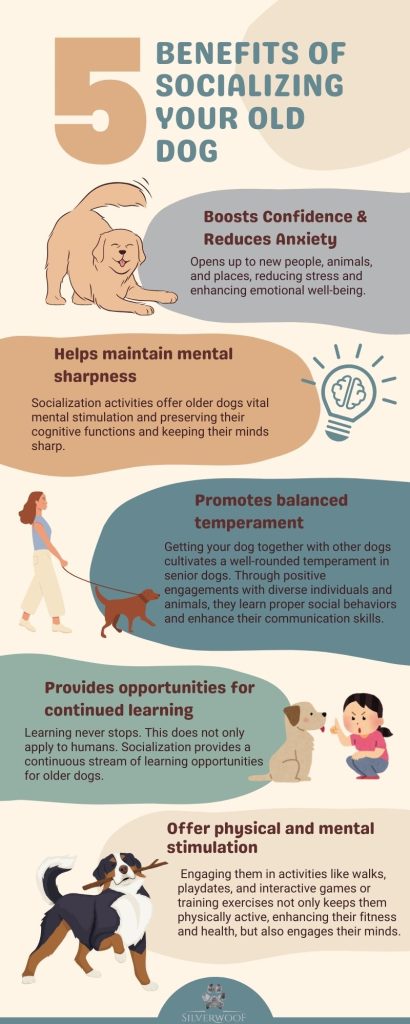
Additionally, incorporating social interaction into mental exercises can lead to improved emotional health. Activities that involve other pets or human family members can enhance bonding and reduce feelings of isolation in pets. Whether it’s playdates or collaborative training sessions, such interactions provide emotional stimulation that is critical for developing a well-rounded, happy pet.
To further enrich the well-being of your pet, consider engaging in activities that complement their natural instincts, such as foraging or scent work, which can promote mental and physical health simultaneously. Ultimately, the incorporation of mental challenges is not just about keeping pets busy; it’s about setting a foundation for a healthier, happier life.
| Advantage | Benefits |
|---|---|
| Cognitive Enhancement | Improves problem-solving skills and memory retention |
| Behavioral Stability | Reduces destructive tendencies and excessive energy |
| Emotional Growth | Enhances bonding through social interactions and challenges |
| Overall Health | Supports both mental and physical well-being |
DON’T MISS OUT: Click here to discover effective training techniques
Enhancing Social Skills and Emotional Bonds
Mental stimulation extends beyond individual focus; it plays a significant role in enhancing social skills and the emotional bonds between pets and their owners. Engaging in shared activities not only alleviates boredom but also fortifies the connection that pets have with their human companions.
The Power of Teamwork
Participating in activities that require teamwork can strengthen the bond between pets and their owners. Activities such as agility training, where owners guide their pets through various obstacles, encourage communication and trust. This engagement not only develops a pet’s cognitive abilities but also fosters a sense of accomplishment, which can have lasting benefits on their emotional well-being.
Moreover, interactive group classes, like obedience or agility courses, provide valuable socialization opportunities for dogs. These classes introduce pets to new environments and other animals, which can reduce fearfulness and boost confidence. For cats, consider setting up playdates with other felines or supervised interactions with friendly dogs, as it can lead to enriched social experiences that stimulate their minds and maintain their curiosity.
Reducing Behavioral Problems
Mental stimulation can also serve as a preventive measure against various behavioral issues. Boredom or lack of engagement often leads to undesirable behaviors, such as excessive barking, scratching, or destructive chewing. An engaging routine filled with mental challenges can divert pets from these negative tendencies by directing their energy towards more productive outlets.
Statistics indicate that well-stimulated pets are less likely to develop disruptive habits. According to a survey by the American Society for the Prevention of Cruelty to Animals (ASPCA), nearly 80% of pet owners who implement regular cognitive practices report a decrease in behavioral issues in their pets. This highlights the need for consistent mental engagement to maintain a balanced household.
Building Resilience to Stress
Mental challenges can also bolster a pet’s ability to cope with stress. Pets that regularly engage their minds tend to develop resilience against novel situations. For instance, a dog who has been exposed to various environments and experiences through structured play is likely to adapt more readily to changes, such as moving to a new home or encountering unfamiliar people.
According to a study in the Journal of Veterinary Behavior, pets that participated in cognitive enrichment activities showed a statistically significant reduction in stress-related behaviors compared to those that did not. These findings stress the importance of not just physical activity but also mental stimulation in fostering adaptability in pets.
The Role of Nutrition
Additionally, nutrition is an integral part of a pet’s overall health that can enhance the effects of mental stimulation. Foods rich in omega-3 fatty acids, antioxidants, and vitamins can support brain function. Incorporating these nutrients through a balanced diet complements the benefits gained from cognitive engagement. Pet owners should look for high-quality foods or supplements to maintain both physical health and cognitive performance.
In summary, the broader implications of mental stimulation on pets’ social abilities, behavioral tendencies, and stress resilience underscore its importance. As we explore further, we will discuss innovative tools and practices that can easily be incorporated into daily routines to enrich our pets’ mental health and overall well-being.
LEARN MORE: Click here for essential tips on pet nutrition
Conclusion: The Essential Role of Mental Stimulation in Pet Health
In conclusion, mental stimulation is a vital component in enhancing the overall health of pets. As we’ve discussed, engaging activities not only refine cognitive capabilities but also significantly strengthen emotional bonds between pets and their owners. By participating in teamwork-oriented exercises like agility training and socializing through group classes, pets experience not just physical benefits but also improved social skills and emotional resilience.
Furthermore, mental engagement is a powerful tool in mitigating behavioral problems. By directing a pet’s energy toward productive activities, owners can reduce instances of destructive behaviors and improve their quality of life. Notably, research from credible sources, including the American Society for the Prevention of Cruelty to Animals, underscores that regular mental enrichment can lead to a remarkable decrease in issues like excessive barking or scratching.
Moreover, the adaptive nature of pets—bolstered by cognitive challenges—enables them to navigate stress and unfamiliar situations with greater ease. This adaptability is essential, considering the various changes pets may encounter throughout their lives. To further maximize these benefits, a nourishing diet rich in omega-3 fatty acids and antioxidants, complements the effects of mental stimulation.
As pet owners, embracing these practices can lead to healthier, happier companions. By prioritizing a routine that includes mental challenges along with physical exercise and proper nutrition, we can ensure a fulfilling life for our furry friends. The journey to improved health through mental stimulation is not just beneficial; it is a profound investment into the happiness and well-being of our pets.