How Sleep and Proper Rest Impact the Health of Pets
The Role of Sleep in Your Pet’s Well-Being
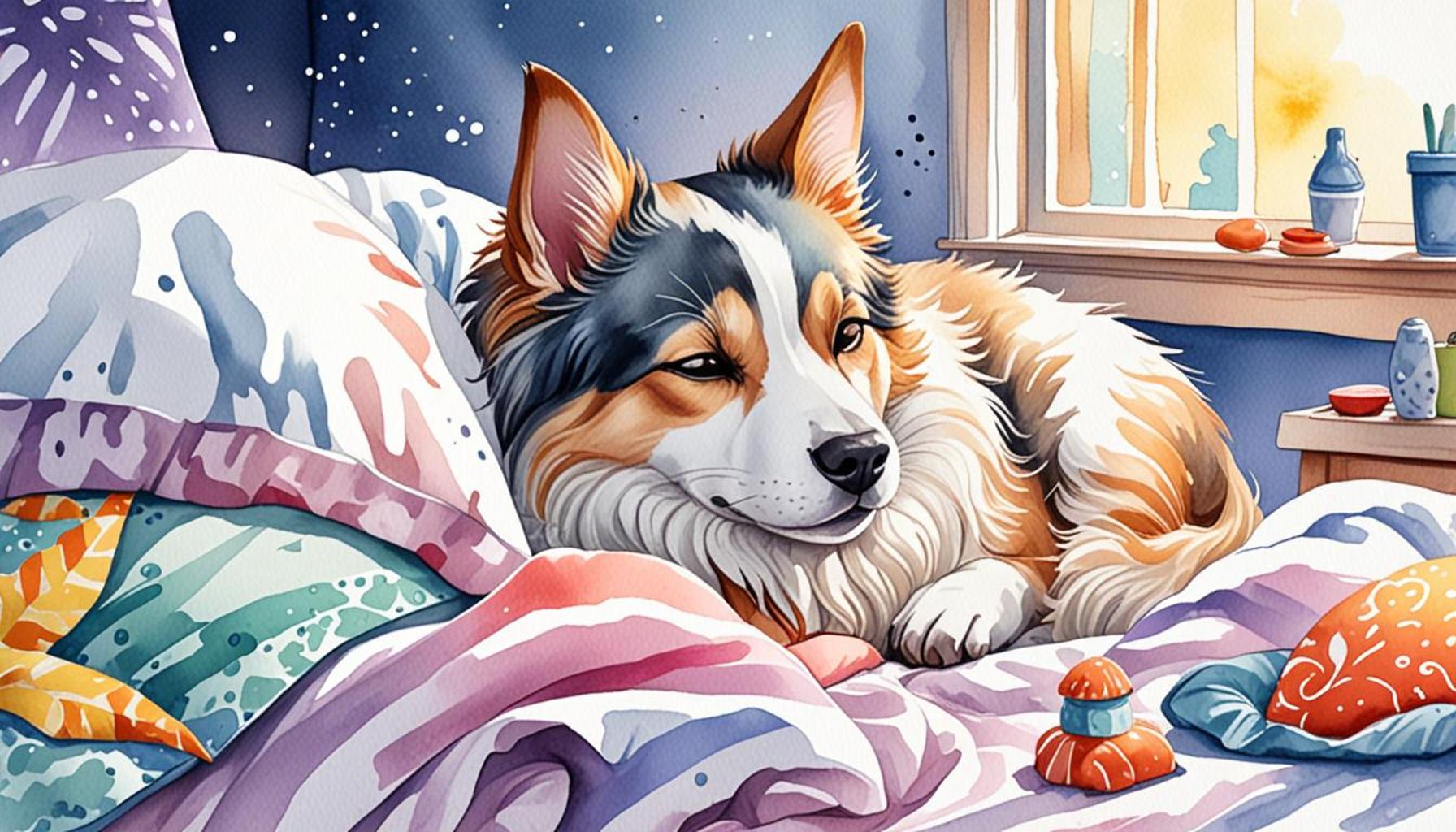
Every pet owner knows that a happy pet is a healthy pet. But how does one ensure this? One critical factor that often goes overlooked is the importance of sleep and proper rest. Just like humans, our furry companions require quality sleep to maintain both their physical and mental health.
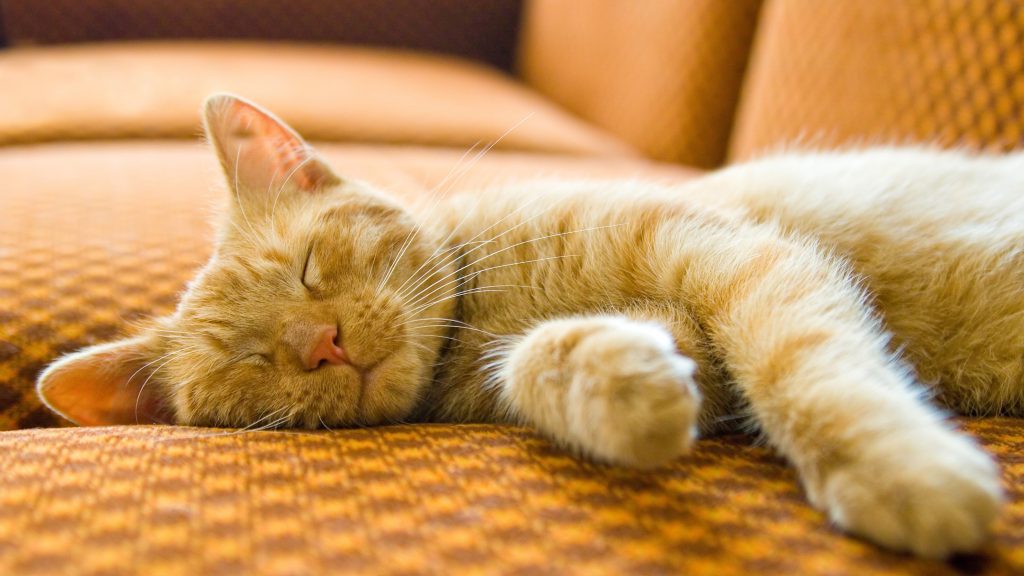
Dogs typically sleep around 12 to 14 hours a day, while cats might slumber for upwards of 16 hours. These significant sleep requirements are due to their unique biology; unlike humans, pets have different sleep cycles, including REM (Rapid Eye Movement) sleep, which is essential for restoring energy and processing information. For instance, a study published by the University of Bristol suggests that a lack of proper rest can lead to behavioral issues, including hyperactivity and aggression in dogs. Therefore, understanding the needs of your pet can go a long way in ensuring their happiness and health.
- Rest boosts immunity: Quality sleep helps strengthen a pet’s immune system. For example, according to research from the American Animal Hospital Association, animals that get enough rest tend to recover faster from illnesses and are better able to fend off infections.
- Enhances mood: Sufficient rest can reduce irritability and promote a happier demeanor. Pets that are well-rested are generally more playful and interactive, making them more enjoyable companions. Observing your pet become more social and engaged after a good night’s sleep may encourage you to prioritize their rest, just as you would for a child or an elderly relative.
- Supports physical recovery: Sleep is crucial for healing and recovery from injuries. Animals that experience trauma or surgery often require additional sleep to recuperate effectively. Vets often stress the importance of a quiet, comfortable sleeping environment for pets undergoing recovery, illustrating that proper rest is a key element of their healing process.
Despite these benefits, many pet owners remain unaware that the absence of adequate sleep can lead to significant health issues. Sleep deprivation can exacerbate stress and anxiety in pets, which can manifest in various ways, including destructive behavior, excessive barking, or even withdrawal. Chronic conditions such as obesity and heart disease can also arise from a lack of restful sleep; studies indicate a direct correlation between sleep quality and physical health in pets, particularly in older dogs.
As responsible pet guardians, understanding your pet’s sleep behavior is vital. Paying attention to when and how your pet sleeps can help you identify any changes that may indicate stress or health issues. For example, if your pet starts sleeping more or less than usual, it might be time to consult a veterinarian to rule out any underlying problems.
In the following sections, we will delve into the science behind sleep in pets. This exploration will offer insights into how you can improve their sleep environment and enhance their overall well-being. By prioritizing your pet’s rest, you can ensure they lead a happier, healthier life, transforming them into the best version of themselves.
LEARN MORE: Click here for a practical guide on pet adoption
Understanding Sleep Patterns in Pets
The sleep patterns of pets are remarkably different from those of humans, driven by their unique evolutionary traits and daily activity levels. For instance, dogs are considered polyphasic sleepers, meaning they nap multiple times throughout the day rather than sleeping for extended periods at once. This behavior is a throwback to their wild ancestors, who would remain alert to potential threats while also exhausting themselves during hunting periods.
Interestingly, cats are known for their nocturnal habits, preferring to be active during the early morning and evening hours, which mirrors the natural behaviors of their prey. Understanding these inherent sleep behaviors is crucial, not only for ensuring pets receive adequate rest but also for fostering their emotional and physical health. In fact, pet owners often report that observing their pet’s natural tendencies helps in creating a schedule that aligns with their sleep needs, enhancing overall well-being.
One vital aspect of understanding pet sleep patterns is acknowledging the significance of quality over quantity. Just as humans can experience restless nights, pets can also suffer from interrupted or poor-quality sleep. Factors such as noise, temperature, and environment greatly influence how well a pet slumbers. Additionally, as pets age, their sleep patterns may change, leading to longer periods of wakefulness or difficulty settling down. It’s essential for owners to adapt to these changes by providing a comfortable and reassuring sleeping area, which can greatly impact their health.
- Sleeping environment: Creating a conducive sleeping environment is key. This involves a comfortable bed, a quiet location, and appropriate temperature settings to minimize disturbances.
- Routine: Establishing a daily routine helps pets understand when it’s time to rest and when to be active. Predictability can alleviate anxiety and encourage a more restful sleep.
- Health screenings: Regular veterinary check-ups can help identify if any underlying health issues are affecting a pet’s sleep quality. Conditions like arthritis or dental pain can lead to disrupted sleep patterns.
A pet’s general demeanor can often be a reflection of their sleep quality. Pets that do not sleep well may display increased levels of anxiety and restlessness. Conversely, those that receive ample high-quality sleep tend to have better overall moods and behavioral patterns. Attention to your pet’s sleep cues, such as stretching, yawning, or seeking out favorite resting spots, can provide insights into whether they are getting the proper rest they need to remain both happy and healthy.
As we continue to explore the relationship between sleep and health in pets, it becomes increasingly clear that the foundation of a vibrant, active pet lies in their ability to attain restorative rest. Ultimately, it’s up to pet owners to recognize these behavioral signals and optimize their furry companions’ sleep environment for improved well-being.
| Category | Benefits |
|---|---|
| Sleep Quality | Enhanced Immune System: Quality sleep aids pets in boosting their immunity, making them less susceptible to illnesses. |
| Rest Duration | Improved Mood and Behavior: Adequate rest leads to better temperament, reducing anxiety and aggression in pets. |
| Sleep Environment | Safe Space for Recovery: A comfortable sleeping area promotes faster recovery from injuries and stress associated with daily life. |
| Physical Health | Maintenance of Healthy Weight: Proper sleep patterns contribute to regulating metabolism, which helps maintain an optimal weight. |
Understanding these factors can greatly impact pet owners’ approaches to pet care, underlining the importance of prioritizing sleep hygiene for their beloved animals. By creating a conducive environment and establishing routines around rest and sleep, you enhance not just their health, but also their overall happiness and well-being.
DISCOVER MORE: Click here to learn about the emotional journey of animal adoption
The Consequences of Sleep Deprivation in Pets
While all living beings require adequate sleep to function optimally, pets are no exception. Insufficient sleep can lead to a plethora of health issues in animals, some of which may manifest in subtle but significant ways. One of the most apparent consequences is an increase in anxiety and behavioral issues. Much like humans, pets who do not receive enough rest can become irritable, exhibit destructive tendencies, or show signs of aggression. This can be particularly concerning for cats and dogs in shared living spaces, where stress can escalate quickly.
Sleep deprivation also hampers a pet’s physical health. For instance, a lack of rest can interfere with their immune system, making them more susceptible to infections and other illnesses. When pets sleep, their bodies work to repair muscles, synthesize proteins, and release hormones crucial for growth and development. Without sufficient sleep, these processes may be compromised, hindering their overall wellness. A study conducted by the Journal of Veterinary Behavior shows that pets who experience chronic sleep disturbances face up to a 30% increased risk of developing serious health issues over time.
Impact on Specific Health Conditions
Certain pre-existing health conditions in pets can be exacerbated by inadequate sleep. For example, pets with chronic pain or conditions like arthritis may find it difficult to settle down for restful sleep, creating a vicious cycle of discomfort and disturbed slumber. Moreover, pets suffering from obesity must prioritize sleep to support weight management. Poor sleep quality can lead to hormonal imbalances that contribute to weight gain. A consistent sleep routine can assist in weight control, as balanced hormones are essential for appetite regulation and energy expenditure.
In addition to physical health ramifications, sleep deprivation can also detract from a pet’s mental well-being. Animals thrive on routines and predictability, and disruptions in sleep can lead to increased levels of stress and anxiety. According to research from the American Veterinary Medical Association, pets who experience heightened stress are more prone to developing behavioral disorders. Symptoms can range from excessive barking in dogs to litter box issues in cats, both of which can heavily influence a pet owner’s relationship with their furry companion.
Recognizing Signs of Sleep Disturbances
As attentive pet owners, it is vital to be aware of the signs that may indicate your pet is suffering from poor sleep quality. Watch for changes in behavior such as increased irritability, excessive vocalization, or reluctance to engage in play. Signs of anxiety can also manifest through pacing or repetitive behaviors. Moreover, pets that exhibit excessive licking or grooming may be attempting to soothe themselves from stress related to sleep disruptions.
Furthermore, adjusting a pet’s environment can make a world of difference. Providing stimulating activities during their waking hours can help tire them out, leading to better-quality sleep. Technology can aid in this area through engaging toys or interactive games that challenge their cognitive abilities. Ultimately, recognizing the importance of sleep for pets and understanding the health implications of sleep disturbances can guide owners toward creating a nurturing and supportive home environment.
LEARN MORE: Click here to dive deeper
Conclusion: Prioritizing Sleep for Healthier Pets
In summary, the indispensable link between sleep and overall pet health cannot be overstated. Just as humans thrive on adequate rest, pets require quality sleep to maintain their physical and emotional well-being. Sleep deprivation can lead to a myriad of issues, including heightened anxiety, aggravation of existing health conditions, and even detrimental impacts on their immune system. This implies that a consistent sleep routine and a supportive environment are essential for your furry companions.
Recognizing the signs of sleep disturbances in pets is critical for pet owners aiming to foster a nurturing atmosphere. By being vigilant to changes in behavior and taking proactive measures—such as providing enough physical and mental stimulation—you can significantly enhance your pet’s quality of life. Additionally, exploring innovative solutions such as engaging toys or dedicated sleep spaces can contribute to better sleep hygiene.
Ultimately, investing in your pet’s sleep is an investment in their health. As research continues to unveil the profound effects of rest on animal health, pet owners are encouraged to prioritize sleep as a critical aspect of pet care. By enhancing their sleep habits, you not only strengthen the bond with your pets but also pave the way for happier and healthier lives together. The pursuit of understanding and improving your pet’s sleep can mark a transformative journey in your shared companionship, ensuring they remain not just well-rested but also vibrant and joyful clients of your care.