
How to Maintain the Mental Health of Pets During Changes in Routine

Recognizing and Supporting Your Pet’s Mental Health
The mental health of our pets is an essential yet often overlooked aspect of pet ownership. Just like humans, pets can experience stress and anxiety, particularly during significant life changes. A loving and observant owner must be aware of these factors to help mitigate their impact on our furry friends.
Several common scenarios disrupt a pet’s routine, each capable of inducing stress. For instance, moving to a new home can be particularly unsettling for pets, who rely heavily on their environment for security. New scents, strange noises, and unfamiliar spaces can make them feel vulnerable. Similarly, when changing work hours disrupts a pet’s regular schedule, they may experience separation anxiety, resulting in restlessness or vocalization.
The introduction of new family members or pets also poses a challenge, as pets may feel threatened or marginalized. This can lead to territorial disputes or social anxiety, particularly in cats and dogs who are not used to sharing their space. In addition, seasonal changes, such as the transition to school as summer ends, can drastically alter the dynamics of a household, contributing to confusion and stress among pets who are accustomed to having their owners at home all day.
Recognizing the signs of stress is crucial in maintaining a pet’s well-being. Common behaviors indicative of anxiety include excessive barking or meowing, which may serve as a call for attention or an expression of distress. Destructive chewing is another sign, pointing towards an outlet for pent-up anxiety. Furthermore, an increase in clinginess, or alternately, avoidance behaviors can signal an emotional struggle within your pet. Changes in appetite, whether it be overeating or loss of interest in food, are also significant indicators of a troubled mental state.
To effectively manage these changes, implementing simple strategies can create a more stable environment for your pets. Creating a routine that mirrors their usual schedules can provide a sense of predictability in your pet’s daily life. Simple adjustments, such as scheduled playtimes and designated quiet hours, can bolster their emotional security. Additionally, engaging your pet in regular socialization activities or using interactive toys can alleviate stress and foster a sense of companionship and joy.
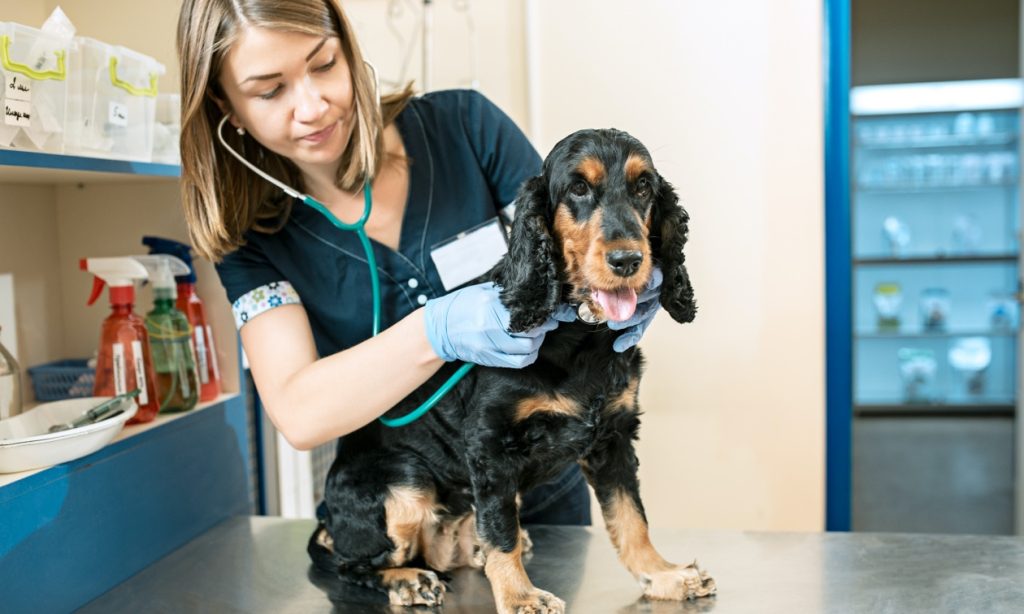
Ultimately, understanding how to support your pet’s mental health enhances their quality of life. By fostering an environment of stability and security, you are not only helping them cope with transitions but also paving the way for a happy, healthy pet. Recognizing the signs of anxiety, being proactive in creating a comforting environment, and engaging in their daily lives are all essential steps in promoting your pet’s emotional well-being.
DISCOVER MORE: Click here to learn effective training techniques
Creating a Consistent Routine Amidst Change
When life becomes unpredictable, pets can easily sense the shift in energy around them. A consistent routine plays a crucial role in maintaining the mental well-being of your pet during changes in their environment. Pets thrive on predictability; it provides them with a sense of safety and security. Therefore, establishing a structured daily plan can significantly help ease the anxiety they experience during life transitions.
One of the first steps to consider is the importance of regular feeding times. Feeding your pet at the same time each day helps reinforce their internal clock, providing them with a sense of normalcy. In addition to meal times, try to keep their walks, play sessions, and quiet time as consistent as possible. This structured approach not only reduces anxiety but also encourages good behavior, making your pet feel more grounded amidst the chaos.
Another effective technique to create a more stable environment is to incorporate environmental enrichment. This involves providing engaging activities that stimulate your pet’s mind and body. Here are some strategies you can employ:
- Interactive Toys: Invest in puzzle toys that challenge your pet mentally while rewarding them with treats.
- Regular Playtime: Engage in daily play sessions with your pet. This could be as simple as a game of fetch or a session with feather wands for cats.
- Training Sessions: Utilize short training sessions to reinforce basic commands or teach new tricks. This can strengthen your bond while keeping their minds sharp.
- Daily Walks: Schedule consistent walks that provide exercise as well as a chance for your pet to explore their surroundings.
While maintaining a routine is vital, it is equally important to be flexible. Changes, such as moving to a new house or welcoming a new family member, may require you to adjust your pet’s scheduling slightly. Pay close attention to how they react to these modifications. If you notice signs of distress, such as excessive barking, hiding, or changes in appetite, it may be necessary to re-establish their routine more gradually.
Additionally, consider incorporating calming techniques into your daily plan. Simple methods, such as playing soothing music or using pheromone diffusers, can help create a calming atmosphere that reduces stress. Even practicing mindfulness through relaxing activities such as grooming can provide comfort to your pet, helping them feel safe and loved.
In summary, a consistent daily routine, combined with environmental enrichment and flexible adjustments, can significantly ease your pet’s anxiety during times of change. It is the attention and affection you show in these trying times that can truly help maintain their mental health. By working to create a positive environment around these changes, you foster not only your pet’s emotional resilience but also a deeper bond between the two of you.
Understanding Routine Changes and Their Impact on Pets
Changes in routine can be particularly distressing for pets, as they thrive on consistency and familiarity. Whether it’s a new work-from-home schedule, a move to a new home, or even a family member moving out, pets can feel anxious and uncertain. Recognizing the signs of stress in your pet is essential. Common indicators include excessive barking, destructive behavior, and withdrawal.One effective way to tackle this issue is by introducing gradual transitions. Instead of making abrupt changes, gradually alter your pet’s routine over the span of days or weeks. For example, if you have to adjust your walk schedules or feeding times, do so incrementally. This will help your pets adapt more comfortably to changes.
Implementing Structured Activities
Incorporating structured activities into your pet’s day can significantly aid in reducing anxiety during these transitions. Schedule daily playtime, training sessions, or walks at consistent times. Not only does this provide a sense of security for your furry friend, but it also promotes physical health and reinforces your bond.Additionally, consider the use of enrichment activities. Puzzle toys, scent games, and interactive feeding can keep pets mentally stimulated and engaged. This helps divert their attention from stressors associated with changes in their environment.
Seeking Professional Help
If your pet shows prolonged signs of stress or anxiety that affect their quality of life, don’t hesitate to consult a veterinarian or a professional animal behaviorist. They can provide tailored advice and may recommend behavioral therapies or calming products, ensuring your pet’s mental well-being is prioritized during transitions. By proactively managing changes and monitoring your pet’s reactions, you can create a smoother transition for both your pet and yourself. Understanding these dynamics is crucial for maintaining the mental health of pets during shifts in their routine.
LEARN MORE: Click here to discover safe nutritional supplement tips for your pet
Understanding Your Pet’s Emotional Needs
While establishing a consistent routine and incorporating environmental enrichment are crucial for maintaining the mental health of your pets during times of change, understanding their emotional needs is equally important. Recognizing the signs of stress in pets and addressing their feelings can significantly contribute to their overall well-being.
Pets, much like humans, experience a wide range of emotions, and during periods of transition, they may exhibit behaviors indicating anxiety or discomfort. For instance, dogs might show signs of distress through excessive barking, tail tucking, or destructive behavior, while cats may exhibit withdrawal, increased hiding, or inappropriate elimination. Being observant of these signs is the first step toward supporting your pet’s mental health during challenging times.
Providing Safe Spaces
One practical approach to nurture your pet’s emotional well-being is to create designated safe spaces within your home. These areas can serve as retreats where pets can feel secure and protected from the upheaval around them. For dogs, a cozy corner with their favorite blanket and toys can help them decompress. For cats, a high perch or cat tree may provide not only a sense of safety but also a panoramic view of their environment, minimizing feelings of vulnerability.
It’s essential to make these spaces accessible and encourage your pets to utilize them, especially during noticeable transitions, such as a family member moving in or out. You can use treats or toys to lure them into their safe zones, reinforcing the concept that this space is for relaxation and safety.
Utilizing Calming Aids
Incorporating calming aids can also make a significant difference in your pet’s stress levels during transitional periods. Products like anxiety vests, which apply gentle pressure to a pet’s body, can assist in reducing anxiety. Additionally, consider natural supplements such as CBD oil or calming chews designed specifically for pets. Always consult with a veterinarian before introducing any new product to ensure it meets your pet’s unique needs.
Furthermore, prioritizing socialization can mitigate the effects of routine changes. Engaging your pets with playdates or visits to the dog park can help maintain their social skills and normalize their environment. However, be mindful during these outings; sudden changes in social dynamics can also be overwhelming. Adults should supervise interactions between pets and unfamiliar animals, ensuring social experiences remain positive.
Observing Behavioral Changes Over Time
It is essential to be aware that behavioral changes may not manifest immediately. Pet owners should keep a close eye on their animals over several weeks, especially during significant transitions. If you observe persistent stress responses, such as unusual aggression or clinginess, consider consulting a veterinarian or a certified animal behaviorist. They can provide tailored advice and strategies to promote your pet’s mental health.
Ultimately, being an attentive and empathetic pet owner is key. Paying close attention to your furry friend’s emotional needs will create a reassuring environment in which they can navigate changes in routine with greater ease. By blending consistent routines with an understanding of your pet’s emotional landscape, you lay the foundation for stable mental health and happiness, no matter what life throws your way. Discovering and implementing these strategies not only benefits your pets but enriches the bond you’ve built together in the long run.
DON’T MISS: Click here to enhance your cat’s dental care
Conclusion
Maintaining the mental health of pets during changes in routine is a multifaceted endeavor that requires vigilance, empathy, and understanding. By establishing a predictable environment and making meaningful adjustments to accommodate your pet’s emotional needs, you can significantly reduce their anxiety and help them adapt to new circumstances. It’s not just about prevention; it’s about nurturing a supportive atmosphere that fosters resilience.
Creating safe spaces, utilizing calming aids, and observing behavioral shifts are essential practices that empower pet owners to promote psychological well-being. Engaging with your pet through play and socialization opportunities also fortifies their confidence, lessening the impact of stress that may arise from changes in their surroundings. Furthermore, being attuned to your pet’s emotional cues and providing proactive solutions—as opposed to reactive measures—creates a sense of stability that can prove invaluable during transitional times.
As pets navigate the complexities of their environments, their well-being largely depends on how well we understand their needs. Investing the time to learn about the specific behaviors linked to stress in your pet can pave the way for effective interventions and a stronger bond between you and your furry companions. Always remember, their tranquility is a reflection of your care.
In conclusion, enhancing your pet’s mental health during routine changes is not just a responsibility but an opportunity to deepen the relationship you share. Equip yourself with strategies and remain observant, for the journey you take together can lead to a happier, healthier life for both you and your beloved animals.