
Personal Defense Dog Training: Methods for Teaching Protection Techniques
The Importance of Personal Defense Dog Training
In a world where safety concerns are ever-present, the significance of personal defense dog training cannot be understated. This specialized training serves to enhance the protective instincts of canines, making them viable companions not just for companionship but as guardians of the household. As families look to bolster their safety measures, many are increasingly drawn to the idea of training their dogs to respond effectively to threats, turning a beloved pet into a reliable protector.
The Benefits of Training
Engaging in personal defense training fosters a deeper relationship between the dog and its owner. This bond is built on trust, communication, and mutual respect. A well-trained dog not only protects its family but also behaves appropriately in social situations, thereby enhancing its role within the family unit. Moreover, training can help alleviate behavioral issues, such as anxiety and excessive barking, as the dog learns to feel secure in its abilities and environment.
Fundamental Training Techniques
Understanding the core techniques involved in this training can empower dog owners. Here are a few fundamental approaches:
- Positive Reinforcement: This method involves rewarding desired behaviors with treats, praise, and affection. For example, when a dog successfully alerts its owner to a stranger approaching, offering a treat reinforces this behavior, prompting the dog to repeat it in the future.
- Scenario Training: Real-life simulations are crucial for preparing dogs for potential encounters. This could involve enacting a scenario where an unfamiliar person approaches the home, teaching the dog to bark or position itself between the owner and the perceived threat.
- Controlled Aggression: This teaches dogs to exhibit protective behaviors without resorting to unnecessary violence. A skilled trainer can help the dog learn when it’s appropriate to be assertive and when to remain calm.
Starting Early and Ongoing Education
The consensus among trainers is clear: starting early often leads to the most effective results. Puppies are particularly adaptable and are quickly molded into well-rounded protectors. However, adult dogs can also benefit from comprehensive training programs tailored to their specific pace and temperament.
For those interested in delving further into personal defense dog training, numerous resources abound. Professional trainers, online courses, and DIY training guides are accessible to all dog owners. By thoroughly researching and selecting techniques that complement your dog’s unique personality, you can enhance its protective instincts while also elevating overall obedience and behavior.
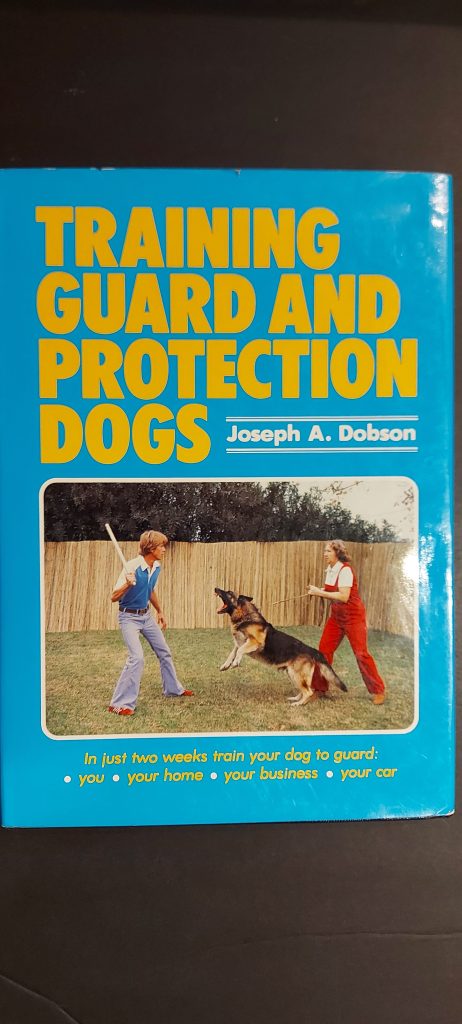
Ultimately, the right training not only prepares dogs to act instinctively in times of danger but can also lead to a highly obedient and well-adjusted pet, adding an immeasurable level of safety and peace of mind for the entire family.
DIVE DEEPER: Click here to learn more
Essential Methods for Effective Personal Defense Dog Training
When considering personal defense dog training, it’s crucial to recognize that not all methodologies are created equal. The effectiveness of training hinges significantly on the techniques employed and the consistency of the training regimen. Here, we delve into some of the most effective methods that can transform an ordinary pet into a formidable protector.
Consistency is Key
One of the foremost elements in training a defense dog is the principle of consistency. Dogs thrive on routine and predictability. For instance, establishing a fixed schedule for training sessions can aid in reinforcing learned behaviors. This includes regular, focused practice on commands and scenarios that address personal defense, creating a reliable framework for the dog to follow.
Building Basic Obedience
Before diving into protection techniques, it’s essential to establish a foundation with basic obedience training. Training your dog to follow basic commands such as “sit,” “stay,” “come,” and “leave it” lays the groundwork for more advanced techniques. Dogs that obey these commands are more likely to respond well to personal defense training. This phase not only instills discipline but also solidifies communication between the dog and its handler.
Effective Socialization
Socialization is another critical component of training for personal defense. Exposing your dog to various people, environments, and situations helps create a well-adjusted pet that can discern between normal and threatening behavior. This method involves:
- Positive Exposure: Gradually introducing your dog to diverse settings, other animals, and different sounds can help mitigate fear responses later during protection scenarios.
- Controlled Interaction: Setting up safe introductions with strangers, where the dog can observe and gauge responses, furthers its understanding of behavior in social settings.
- Organized Groups: Engaging in group training classes or activities with other dogs enhances social skills while providing an opportunity to practice behaviors in a controlled yet stimulating environment.
Utilizing Professional Guidance
While many dog owners successfully implement self-training strategies, enlisting a professional trainer can significantly elevate the training process. A trainer who specializes in personal defense can provide tailored insights and strategies that cater to your dog’s specific needs and temperament. They can also help address any bad habits that may have developed and ensure that the training remains productive and focused.
Moreover, choosing a trainer with a reputable background in protection work ensures that both the dog and the owner understand not only the physical techniques necessary for defense but also the psychological aspects involved in protecting oneself and the family.
In conclusion, effective personal defense dog training hinges on a structured approach that includes consistency, basic obedience, thorough socialization, and professional guidance. Each of these elements plays a pivotal role in developing a dog that is not only capable of providing protection but also serves as a harmonious family member.
| Training Method | Key Features |
|---|---|
| Positive Reinforcement | Encourages desired behaviors through rewards, enhancing bond and effectiveness. |
| Controlled Aggression Training | Teaches dogs to protect safely while maintaining obedience, important for self-control. |
Continuing with the various methods for teaching protection techniques, one prominent approach is Positive Reinforcement. This method emphasizes rewarding dogs with treats, praise, or playtime when they exhibit the desired behavior. It is particularly beneficial as it strengthens the bond between the dog and the trainer. As the dog learns what behaviors result in positive outcomes, it motivates them to repeat those actions, thereby enhancing their protection capabilities.Another effective method is Controlled Aggression Training. This technique instructs dogs on how to protect their owner or property while prioritizing obedience and self-control. A dog trained in controlled aggression recognizes potential threats without becoming overly aggressive or unpredictable. This is crucial, as a well-trained protection dog can discern when it’s appropriate to engage and when to remain calm.By understanding these training methods, pet owners can develop a strong, responsive, and reliable companion capable of performing protective roles effectively.
LEARN MORE: Click here for essential tips on your dog’s diet
Advanced Techniques for Protection Training
After laying down the essential groundwork, it’s time to explore advanced techniques for personal defense dog training. These methods require a strong foundation of obedience and socialization, as they involve critical skills that can be life-saving in high-pressure situations.
Security Engagement Training
One of the most effective ways to prepare your dog for actual defense scenarios is through security engagement training. This method teaches dogs to actively defend and protect their handler by recognizing threats. During these sessions, trainers simulate real-life situations where the dog must assess and determine the level of threat, encouraging them to react appropriately. Key elements of this training include:
- Mock Threat Scenarios: Controlled exercises that mimic potential attacks or confrontational situations can enhance the dog’s instinct to protect. These scenarios are designed to build the dog’s confidence while sharpening their defensive skills.
- Controlled Aggression Exercises: Encouraging the dog to exhibit controlled aggression only in targeted situations helps channel their protective instincts without fostering fear or unpredictability.
- Handler Communication: Effective communication between the handler and the dog is essential in teaching the canine to differentiate between friendly and hostile interactions.
Targeted Bite Work
Targeted bite work is a prominent aspect of personal defense dog training. It not only prepares a dog for physical altercations but also instills discipline and control. This method is built around training the dog to bite on command and release on command. The process includes:
- Confidence Building: Utilizing bite sleeves or padded suits, handlers can instill confidence in the dog. This exposure, when paired with rewards for success, encourages a positive association with the bite.
- Controlled Situations: Practicing bites in controlled environments reduces the risk of confusion or mishaps during real encounters. The dog learns to focus on specific targets while also understanding the importance of restraint.
- Release Commands: Teaching your dog to release its grip on command is crucial for safety. This not only ensures control but also helps reinforce obedience in high-stress situations.
Search and Rescue Techniques
Incorporating search and rescue techniques into personal defense training can prove advantageous in emergency scenarios. These techniques train dogs to locate and assist individuals during distressing situations such as natural disasters or security breaches. Components of this training consist of:
- Tracking Training: Teaching a dog to follow scents associated with a person can greatly enhance its protective capabilities. This method utilizes smell as a powerful tool to locate lost individuals, effectively combining personal defense with altruism.
- Distraction Penalty Training: Exposing dogs to various distractions during training helps them remain focused on their objectives, potentially neutralizing a threat while continuing to assist individuals in need.
- Cooperative Drills: Working with other dogs and handlers provides a practical, real-world application for skills learned, enabling dogs to perform under pressure alongside other trained professionals.
As you delve deeper into the realm of personal defense dog training, understanding and implementing these advanced techniques can drastically improve a dog’s effectiveness as a protector. It’s vital to approach these methods with responsibility and awareness, ensuring that the training aligns with the overall well-being of the dog and the safety of those it is trained to protect.
LEARN MORE: Click here to discover essential care tips for your cat
Conclusion: A Balanced Approach to Personal Defense Dog Training
In summary, personal defense dog training represents a unique intersection of obedience, socialization, and advanced protective techniques. As we explored, methods such as security engagement training, targeted bite work, and search and rescue techniques equip dogs with essential skills that can protect both their handlers and innocent bystanders in critical situations. However, it is crucial to emphasize the need for a balanced approach throughout this training journey.
The primary goal should always be to foster a well-rounded canine that not only excels in protective instincts but also embodies the principles of safety, control, and good temperament. A dog trained in personal defense techniques should distinguish between friends and potential threats without displaying undue aggression or unpredictability. This intricate balance can be achieved through responsible training practices and constant reinforcement of obedience and communication.
As you embark on this rewarding endeavor, remember that ongoing education, consistency, and an understanding of canine behavior are paramount. Whether you opt for professional training sessions or choose to pursue this at home, investing time and effort into your dog’s development will yield lifelong benefits for both of you. Ultimately, training your dog effectively can not only enhance its protective capabilities but also solidify the bond you share, allowing your canine companion to be a reliable guardian in every sense.
As the world around us continues to evolve, the need for effective personal defense measures remains important. By learning and implementing the right training methods, you can ensure your dog is equipped to face any challenges that may arise, ultimately enhancing your peace of mind and sense of security.