The Benefits of Socialization for Pets’ Physical and Mental Health
The Benefits of Socialization for Pets
Socialization is a fundamental component of a pet’s development that deserves more attention. When animals engage in diverse interactions, they not only flourish but also establish patterns that promote their physical and mental well-being. Ensuring your pets experience different settings and social encounters is crucial, particularly during their formative months.
Research highlights that well-socialized pets demonstrate noticeably better behavior and overall health. This observation underscores the significance of socialization in everyday life. Here are some substantial benefits that come from the socialization process:
- Reduced Anxiety: Pets that regularly interact with other animals and humans commonly exhibit lower levels of stress and anxiety. For example, dogs that are taken to dog parks or playgroups often learn to cope better with unfamiliar situations, as they become accustomed to various stimuli.
- Improved Behavioral Traits: Socialization encourages pets to develop adaptability. Dogs who have frequent positive encounters with other dogs may display fewer fears and reduced aggression, translating to a more enjoyable experience for everyone involved. In fact, many training professionals suggest comprehensive socialization as a method to address behavioral issues.
- Enhanced Physical Health: Active socialization not only promotes engagement but also encourages physical activity that can help manage a pet’s weight. An example could be the active lifestyle of a Labrador Retriever who enjoys daily play sessions with other dogs, resulting in improved muscle tone and better cardiovascular health.
The mental stimulation gained through socialization also fosters emotional resilience. Engaging in playdates, group training sessions, or even visits to local dog parks enables pets to navigate various environments, enhancing their social skills and boosting their confidence. These activities are more than just play; they serve as crucial learning experiences that form the foundation for emotional maturity.
For pet owners, recognizing the importance of socialization can transform the lives of their pets. By prioritizing these interactions, owners can cultivate happy and well-adjusted animals. Ultimately, as pets develop robust social skills, they contribute to a stronger bond with their human caregivers, leading to enriched companionship. With the right approach to socialization, pets not only enjoy fulfilling lives but also create a more harmonious environment at home.
DISCOVER MORE: Click here to enhance your pet’s happiness
Understanding the Impact of Socialization on Pets
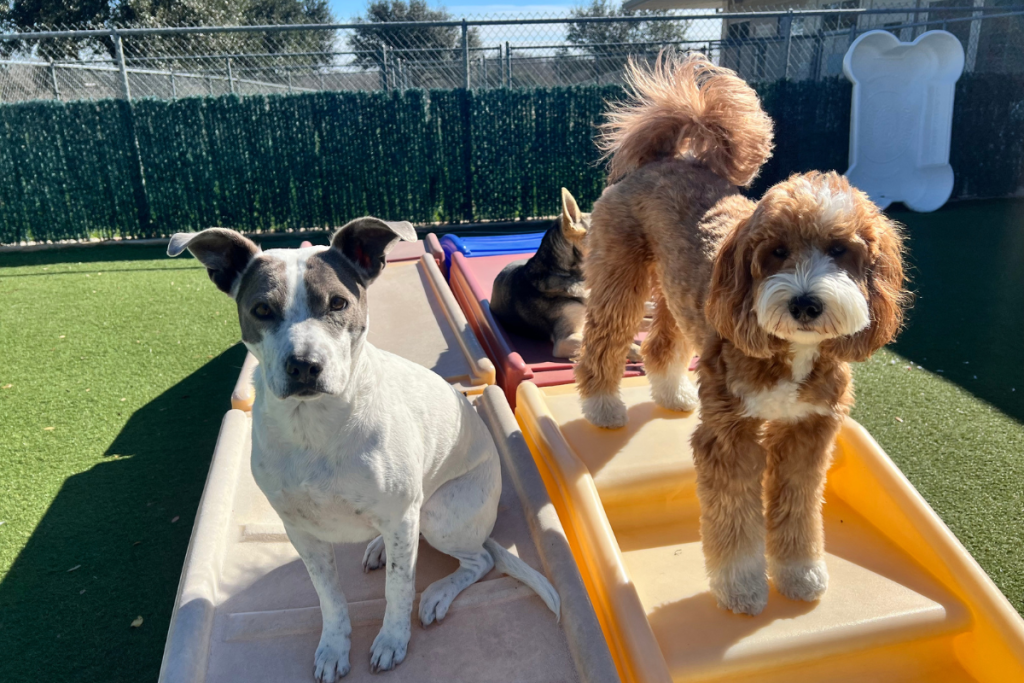
The importance of socialization in a pet’s life cannot be overstated, as it serves as a cornerstone for both physical health and mental well-being. Socialization encompasses not only the interactions pets have with other animals but also their experiences with different environments, people, and various stimuli. In a country like the United States, where pets are often considered family members, the effects of a well-socialized pet become evident not just in their health but also in their integration within the family dynamic.
One significant aspect of socialization is its role in preventing behavioral problems. When pets are exposed to a variety of situations, they learn how to respond appropriately. For example, a puppy that regularly meets other dogs is less likely to develop aggression issues as it matures. In fact, statistics show that around 70% of behavior issues observed in dogs stem from a lack of proper socialization during their formative months. Conversely, socialized pets develop robust coping mechanisms that aid in reducing fear responses in unfamiliar situations.
Moreover, the act of socializing positively influences a pet’s daily physical health. Engaging in play with other pets requires movement and activity, which is crucial for maintaining a healthy weight and overall fitness. Here are some ways socialization contributes to physical health:
- Encouraged Exercise: Group plays or training sessions can motivate pets to engage in extended physical activity, which combats obesity and related health issues.
- Improved Coordination: Interacting with other pets allows for various play styles and agility challenges, enhancing overall motor skills.
- Strengthened Immune System: Exposure to different environments and other pets contributes to a more resilient immune system, as pets encounter various stressors in a controlled manner.
Socialization has a profound impact on mental health as well. Engaging with other pets provides crucial mental stimulation that can alleviate boredom and reduce the likelihood of destructive behaviors commonly associated with anxiety. Animals that interact regularly with others are often better equipped to handle changes in their environment, leading to a more balanced and content state of mind.
Additionally, through regular social experiences, pets build confidence. Just like humans, animals thrive in environments where they feel safe and social. A confident pet is less likely to exhibit fear-based reactions during encounters with new people or other species. This aspect of socialization is particularly vital for pets that may have experienced negative situations in the past, as positive interactions can help rebuild trust and security.
In conclusion, fostering socialization is not merely a luxury for pets but a necessity that cultivates their physical and mental health. Engaging with various environments, animals, and people creates well-rounded pets that contribute positively to their households. As pet owners, recognizing and prioritizing the need for socialization translates into a happier, healthier companion, enriching the bond between owner and pet.
| Advantage | Description |
|---|---|
| Enhanced Social Skills | Regular interaction with other pets and humans fosters effective communication, helping pets develop essential social skills. |
| Reduced Anxiety and Stress | Socialized pets experience a decrease in anxiety levels, leading to a calmer demeanor and improved overall mental health. |
Engaging your pet in regular social activities can lead to remarkable improvements in their daily lives. For instance, enhanced social skills not only bolster a pet’s confidence but also allow them to navigate new environments with ease. Moreover, pets that are socialized often show remarkable resilience to stress, which is critical in an ever-changing world. Research indicates that animals that interact frequently tend to exhibit fewer behavioral issues, including aggression and fearfulness.Furthermore, regular interactions with different animals and people enhance a pet’s adaptability, crucial for their physical well-being. Socialization contributes to building a strong emotional foundation, enabling pets to thrive not just physically but mentally as well. Enjoying enriched experiences can instill a sense of security, thereby promoting a healthier and happier life for your beloved companions.
DISCOVER: Click here for essential tips on nutritional supplements
Exploring Socialization Techniques for Optimal Pet Health
To fully harness the benefits of socialization for pets’ physical and mental health, it is crucial to implement effective socialization techniques. Understanding the various avenues through which pets can interact with their environment and other beings can pave the way to healthier, happier companions. Here are some detailed strategies to promote optimal socialization:
1. Puppy Classes and Training Sessions
Enrolling pets in puppy training classes or obedience courses is an exceptional way for young dogs to gain exposure to other animals and people in a controlled environment. These classes often focus on exposing pups to various stimuli while providing essential training to reinforce positive behaviors. Studies have shown that puppies who attend social training classes exhibit lower levels of anxiety and aggression later in life. Additionally, the benefits extend beyond their formative years, as continuing education classes can keep adult pets socially engaged and mentally sharp.
2. Organized Playdates and Dog Parks
Facilitating playdates with other pets can serve as an invaluable tool for socialization. Dog parks provide a vibrant atmosphere, enabling dogs to interact freely with other animals. It allows them to learn social cues and develop communication skills unique to their species. However, pet owners must supervise these interactions to ensure safety and manage aggressive behaviors effectively. Ensuring that the dog park is safe and suitable for play can greatly enhance its positive impact on pets’ socialization.
3. Community Events and Pet-Friendly Outings
Participating in community events such as pet parades, fairs, or local dog-friendly gatherings introduces pets to a variety of people and experiences. Such exposure not only aids in socializing pets but can also help strengthen their confidence around diverse crowds and unfamiliar surroundings. In the U.S., many cities hold events where pets are encouraged to join, providing an ideal opportunity for both socialization and entertainment.
4. Exposure to Different Environments
Taking pets on outings to new environments, such as beaches, hiking trails, or busy neighborhoods, contributes significantly to their social skills. Introducing them to varying sights and sounds can alleviate fear and promote adaptability. The experience of navigating through different terrains or interacting with various species can enrich their sensory experiences while fostering resilience to environmental changes.
5. Enrichment Activities and Interactive Toys
Incorporating enrichment activities within the home, such as puzzle toys or treat-maze feeders, facilitates mental stimulation and combat boredom. These activities keep pets engaged and encourage problem-solving skills. Additionally, pet owners can engage in games that involve interaction, like fetch or hide-and-seek, which can further promote bonding and socialization within the family unit.
Monitoring Change and Progress
As pets are socialized, it is vital for owners to monitor their behavior closely. Keeping track of improvements in their reactions to new stimuli or interactions helps establish a constructive socialization plan. Using apps or journals to document pets’ social experiences can assist owners in recognizing patterns and effectively tailoring future socialization opportunities. Pet owners should also consult with veterinarians or animal behaviorists when necessary, melding insights from both health and behavioral perspectives.
By consciously integrating various socialization techniques into a pet’s routine, owners can create resilient, well-adjusted pets, while also reaping the profound benefits of engaging relationships between pets and their human counterparts. Emphasizing social stimulation alongside physical activity sets the foundation for thriving pets, distinctly contributing to improved health and happiness.
DISCOVER MORE: Click here to learn how to prepare your home for your new furry friend
Conclusion: A Pathway to Healthier Pets Through Socialization
The importance of socialization for pets cannot be overstated, as it plays a crucial role in their overall physical and mental well-being. Engaging in positive interactions not only cultivates healthy behaviors but also significantly enhances the emotional stability of our furry companions. By utilizing strategies such as puppy classes, playdates, and exposure to diverse environments, pet owners can create enriching experiences that foster confidence and adaptability in their pets.
Moreover, socialization is not merely beneficial for puppies; continued efforts at any age contribute to maintaining a sense of community and joy in their lives. Regular participation in community events and the use of enrichment activities help to keep pets mentally stimulated, reducing the risk of boredom-related behaviors and anxiety. As responsible pet owners, it is essential to remain vigilant and track behavioral progress, adapting socialization methods as needed for their specific needs.
In conclusion, the myriad benefits of socialization underscore its significance in ensuring pets live fulfilling and healthy lives. By prioritizing social interaction as part of a holistic care approach, we equip our pets with the tools they need to thrive, paving the way for a vibrant life filled with love and happiness. Through socialization, we not only promote the physical health of our pets but also enrich their mental landscapes, leading to well-rounded and content companions. So, let’s embark on this journey together, embracing every moment as an opportunity to strengthen the bond between pets and their humans.