
The Emotional Challenges of the Pet Adoption Process

The Emotional Stages of Adopting a Pet
Adopting a pet is a milestone for many individuals and families, marked by both joy and complexity. The emotional spectrum associated with this decision often takes adopters on an unforeseen journey, shifting through several distinct phases. This emotional rollercoaster can lead to profound fulfillment, but it also carries specific challenges that deserve attention.
Excitement: The First Spark
The journey typically begins with an overwhelming sense of excitement. Finding a potential new companion can feel electrifying—browse pet shelters or online adoption platforms, and you may encounter a hopeful pup or aFriendly feline whose adorable face captures your heart. This initial thrill often sparks the imagination, as prospective owners envision their future filled with companionship, shared adventures, and the endless affection that a pet can bring.
Anxiety: Facing the Unknown
However, this excitement can quickly give way to another emotion: anxiety. Questions swirl in the mind of a prospective pet owner: Will the pet be a good fit for the family? How will it adjust to its new environment? What if the responsibilities of pet ownership, such as training, grooming, and health care, feel overwhelming? Studies show that many first-time adopters experience this kind of fear, which can lead to significant hesitance. Having a solid understanding of what to expect and being prepared with resources—like pet training classes and support groups—can significantly alleviate these worries.
Guilt: Remembering the Past
Alongside these emotions, adopters may also grapple with guilt. This complex feeling often arises when contemplating the animals left behind in shelters. Many first-time pet owners find themselves emotionally affected by the plight of still-homeless animals. Approximately 1.6 million shelter animals are adopted each year in the United States, but millions more remain waiting for homes. Outreach efforts, such as adopt-a-thons and community outreach, can help raise awareness and facilitate adoptions but the stark reality of so many pets still needing love can be a heavy burden on a new pet parent’s conscience.
Empathy and Community Support
Understanding these stages is vital, as it better prepares potential adopters for the emotional complexities involved. Those who recognize the potential for joy and sorrow throughout the process will find it easier to navigate their emotional landscape. Seeking support from local animal shelters, pet adoption groups, or even fellow pet owners can provide invaluable resources. Learning about others’ experiences can also foster empathy and inspire deeper connections with both pets and their pasts, nurturing a holistic appreciation for the journey of pet adoption.
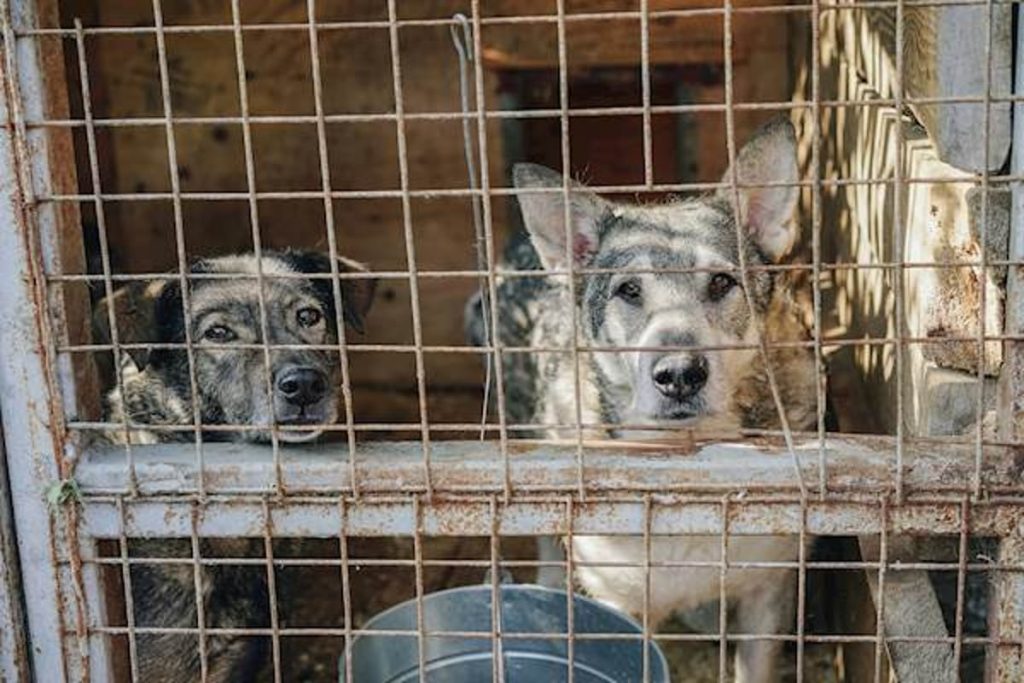
Ultimately, the decision to adopt a pet is not merely about bringing home an animal; it’s about embracing all the highs and lows that come with it—a transformative experience that can yield unconditional love, unforgettable moments, and sometimes, bittersweet memories.
DISCOVER MORE: Click here to unlock tips for a happier pet
Understanding the Emotional Turmoil
As potential pet adopters navigate through the emotional landscape of the adoption process, it’s important to recognize that each phase brings unique challenges. From the initial thrills to the inevitable hurdles, understanding these emotional challenges can create a more informed and compassionate experience for both the adopter and the pet. Here, we delve into some of the key emotional hurdles involved in pet adoption, equipping individuals and families with the insight needed to handle this journey effectively.
Joy: The Thrilling Anticipation
Initially, the sense of joy associated with adopting a pet can be exhilarating. The excitement of selecting a furry friend and the anticipation of bringing it home can generate immense happiness. Adopters often dream about cuddly evenings, playtime at the park, and creating memories that will last a lifetime. This positive phase is characterized by vivid imaginings of a pet’s presence enriching everyday life with love and laughter. However, it’s crucial to prepare for the subsequent emotional transitions.
Fear: The Reality Check
Post-joy, many adopters are confronted with a wave of fear regarding their readiness to handle the responsibilities of a new pet. According to the ASPCA, approximately 15% of adopted pets are returned to shelters within the first year. This statistic highlights the common worry of whether an individual or family will be able to meet their new pet’s needs. Concerns about potential behavioral issues, compatibility with existing pets, and the significant financial commitment of pet care can weigh heavily on the conscience. Awareness of these possibilities can aid in overcoming apprehensions, encouraging adopters to seek resources such as educational materials, support from pet trainers, and advice from seasoned pet owners.
Overwhelm: Juggling Responsibilities
Entering the stage of pet ownership can sometimes bring unexpected feelings of overwhelm. The transition from being a prospective adopter to a pet owner involves a steep learning curve. Responsibilities such as consistent feeding schedules, regular vet visits, and ongoing training can ignite feelings of stress, especially for first-time pet owners. Many may feel disheartened if they feel they can’t keep up with their pet’s needs. Creating checklists can be beneficial in helping manage the tasks that come with pet ownership. Here are some considerations that might help mitigate feelings of overwhelm:
- Establish a daily routine for feeding and exercise.
- Research and enroll in training classes.
- Schedule regular vet appointments and vaccinations.
- Connect with local pet owner communities for support and advice.
Understanding and addressing these emotional challenges is vital in cultivating a positive adoption journey. Preparing for both the joys and the difficulties lays the groundwork for new pet owners to engage responsibly and empathetically in the lives of their adopted pets. By recognizing these emotional stages, adopters can better embrace the transformative experience of pet ownership.
| Emotional Impact | Ways to Cope |
|---|---|
| Anticipation and Anxiety | Prepare and Educate |
| Overwhelming Responsibility | Seek Support Groups |
The process of pet adoption is often laden with complex emotional challenges. Anticipation and anxietyprepare and educate themselves on the responsibilities involved in pet care to mitigate these feelings.Furthermore, the overwhelming sense of responsibility that comes with bringing a new pet home can lead to stress. This emotional burden can feel heavy, particularly for first-time adopters. A fantastic way to alleviate these feelings is by joining support groups comprised of fellow pet owners. Sharing experiences and seeking advice can create a sense of community and help address emotional challenges encountered during the pet adoption process.
DIVE DEEPER: Click here to learn essential socialization techniques
Navigating the Emotional Labyrinth
Sadness: The Grief of Lost Pets
Alongside joy and fear, another often overlooked emotional challenge during the pet adoption process is sadness. Many adopters might find themselves experiencing sorrow related to their past pets. The emotional scars of saying goodbye to a beloved animal can linger, casting a shadow on the excitement of adopting a new companion. This grief can manifest as guilt, leading potential adopters to question their loyalty to their lost pets. It’s essential to acknowledge these feelings and provide oneself the space to heal. Some individuals find comfort in memorializing their lost pets through photo albums or dedicated spaces within their homes.
Frustration: The Adjustment Period
Once the adoption process is complete, new pet owners often face a phase of frustration as they begin to navigate the challenges of integrating their new pet into their home. Just as children require adjustment periods when moving to a new school, pets too need time to acclimate. Whether it’s potty training a puppy, getting a kitten used to living in a household, or introducing a new dog to existing family pets, frustration can build quickly. Accidents and behavioral missteps are common during this adjustment, which can tempt adopters to consider returning the pet. Acknowledging that adjustment takes time can be pivotal to overcoming these feelings. Utilizing resources like guides on animal behavior and connecting with shelters for advice can alleviate the pressure.
Isolation: The Social Dynamics
The journey to pet adoption often surprises individuals with feelings of isolation. While the initial joy of choosing a pet can unite friends and family in excitement, the reality of pet ownership introduces a different dynamic. Busy schedules might limit social engagements, leading new pet owners to feel disconnected. Furthermore, not everyone understands the bond between a pet and their owner, which can cause a sense of loneliness if those around them do not share similar interests. Engaging with local pet communities, whether through social media groups or local events, can be invaluable. Many cities hold “yappy hours” or pet-focused gatherings where individuals can socialize, share experiences, and forge new friendships based around their love for animals.
Empowerment: Standing Up for Animal Welfare
While navigating the emotional challenges of the pet adoption process can be taxing, many adopters report feelings of empowerment as they become advocates for animal welfare. The act of adopting is often considered a statement against pet overpopulation, especially in a country where around 6.5 million companion animals enter U.S. shelters every year. As new pet owners educate themselves and others about responsible pet ownership, they often find themselves playing a crucial role in promoting better treatment and understanding of animals. This newfound purpose can transform feelings of uncertainty into action. Volunteering at shelters, spreading awareness through social media, and participating in local rescue efforts can enhance the emotional rewards of the adoption process.
Navigating these complex emotional challenges can be daunting, but understanding them is key to creating a fulfilling experience for both the adopter and the pet. By encouraging self-awareness and promoting supportive communities, new pet owners can equip themselves with the tools needed to address the emotional intricacies of pet adoption head-on.
DISCOVER MORE: Click here for essential dental care tips
Conclusion: Embracing the Journey of Pet Adoption
The emotional challenges of the pet adoption process encompass a wide spectrum of feelings, including joy, sadness, frustration, isolation, and ultimately, empowerment. Each phase presents its own hurdles that can test the resilience of new pet owners. Recognizing that sadness over a lost pet is a natural part of the journey can help individuals honor their emotional past while making space for new connections. Similarly, understanding the inevitable frustration that comes with acclimatizing a new pet reinforces the notion that patience and perseverance are critical components of successful pet ownership.
Isolation can creep in as social dynamics shift, making it vital for adopters to seek out communities where shared experiences can flourish. Engaging with local pet groups or online forums offers a sense of belonging and valuable resources. Most importantly, the journey toward empowerment through advocacy helps individuals reclaim their narrative, transforming the adoption experience into a force for positive change within animal welfare. By participating in volunteer efforts and promoting responsible pet ownership, adopters can elevate their own experiences while positively impacting the lives of countless animals.
Ultimately, navigating the emotional landscape of pet adoption is about embracing the highs and lows of the experience. Each adopter’s journey is unique, infused with personal reflections and growth. By fostering a supportive environment and encouraging self-awareness, we can transform emotional challenges into stepping stones toward a fulfilling relationship with our furry companions. Adopting a pet is not just about bringing an animal into your home; it’s about building a profound connection that enriches both your life and that of a deserving creature in need.