The Importance of Hydration in Pet Nutrition: Tips to Keep Your Pet Healthy
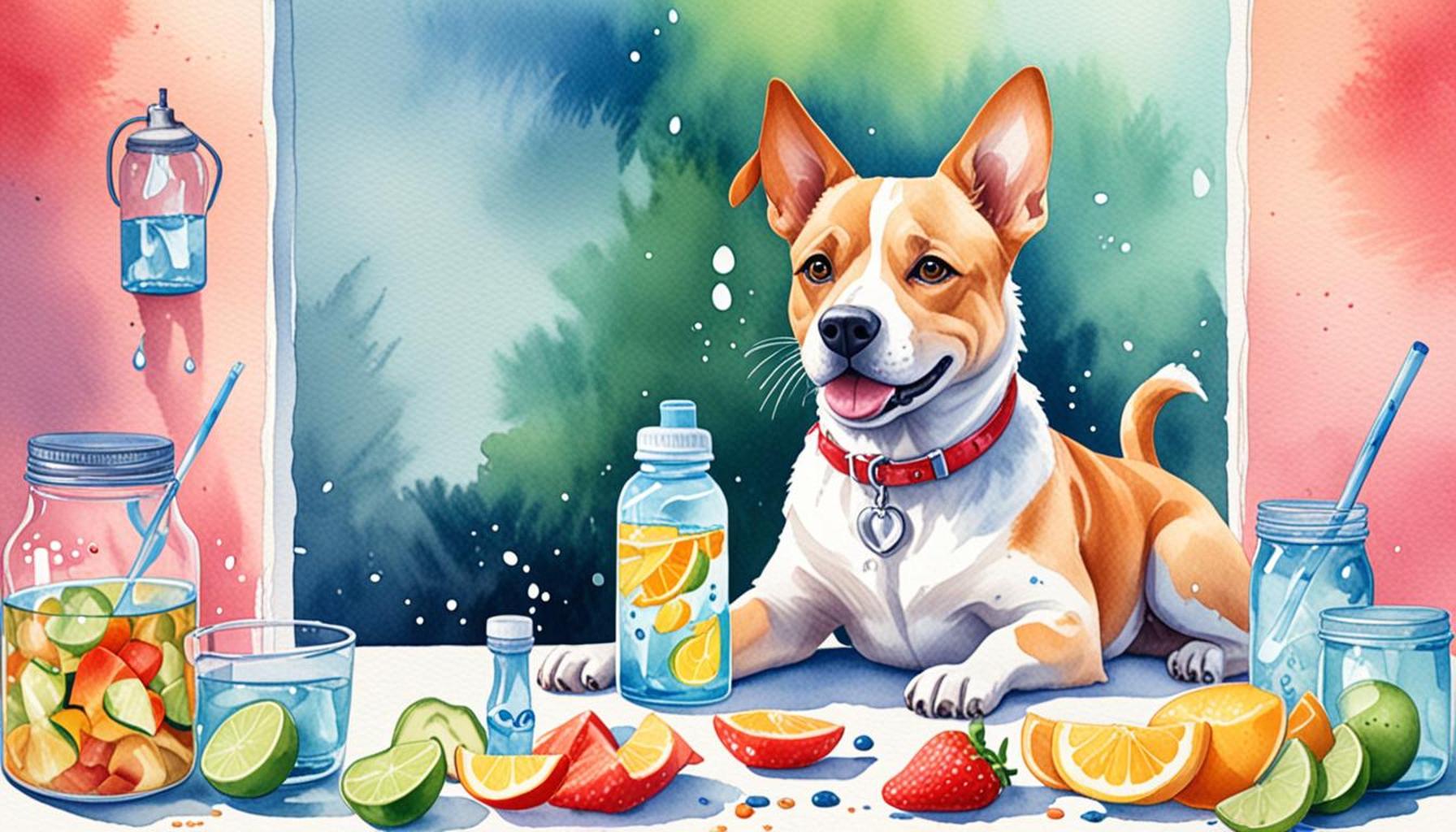
Understanding the Role of Water in Your Pet’s Health
Staying hydrated is essential for all living beings, and pets are no exception. Proper hydration plays a vital role in ensuring your furry friends live a long, healthy, and active life. However, many pet owners overlook the significance of hydration, often underestimating the impact it has on their pets’ overall health. Understanding why water is crucial for your pet’s well-being can lead to better nutrition choices and a happier life for your animal companion.
Water is a fundamental element that supports a variety of bodily functions. Here are some key points to consider:
- Supports bodily functions: Water aids in digestion, nutrient absorption, and temperature regulation. For instance, without sufficient water, a pet’s digestive system can become sluggish, leading to issues such as constipation or bloating. Just as humans sweat to cool down, animals also rely on water to regulate their body temperatures efficiently, especially in hot weather.
- Prevents health issues: Adequate hydration can help prevent kidney disease and urinary tract infections—common ailments in pets. For example, studies show that pets who have a proper intake of water show improved kidney function and lower chances of developing bladder stones, which can be both painful and costly to treat.
- Promotes energy levels: A well-hydrated pet is typically more active and playful. Have you noticed your dog lagging behind during playtime or your cat lounging more often than usual? These could be signs of dehydration. A dog that drinks enough water is more likely to participate in activities and interactive play, strengthening the bond between owner and pet.
In the United States, the average dog requires about one ounce of water per pound of body weight daily, while cats need approximately the same amount. This means a 50-pound dog should consume about 50 ounces of water every day, a detail that many owners may find surprising. Not all pets receive the hydration they need, especially if they consume dry kibble that lacks moisture content. In fact, experts recommend that pet owners consider adding moisture to their pet’s diets, whether through wet food options or by adding water or broth to dry food.
Adding moisture to their diet can be an effective strategy. Keep in mind that some pets might be more resistant to drinking water than others. Innovative hydration solutions could include pet water fountains that keep the water flowing and fresh, enticing pets to drink more often. Another creative approach is to offer pet-safe ice cubes on hot days or to incorporate water-rich fruits and vegetables—like cucumbers or watermelon—as treats, ensuring that your furry friends stay hydrated while enjoying a snack.
Exploring ways to enhance your pet’s water intake is not just beneficial; it’s essential. In the following sections, we will dive deeper into practical tips to keep your pet healthy through proper hydration, ensuring they lead a full and lively life.
DISCOVER MORE: Click here to enhance your pet training skills
Recognizing Signs of Dehydration in Your Pet
Just as pet owners need to be vigilant about their pets’ hydration needs, it is equally essential to recognize the tell-tale signs of dehydration. Dehydration can occur quickly in pets, so understanding these signs will empower owners to act swiftly, ensuring their furry friends stay healthy and energetic.
Common symptoms of dehydration in pets can vary between dogs and cats, but some overlapping indicators include:
- Dry Mouth and Gums: A key indicator of dehydration is a noticeable change in your pet’s oral health. Gums may appear dry and sticky, while normal, healthy gums should have a moist texture and a pinkish hue.
- Skin Elasticity: A simple test involves gently pinching the skin over a pet’s back. If the skin does not recoil quickly back into place, it may be a sign of dehydration. Well-hydrated pets will show quick and elastic reactions.
- Decreased Appetite: If your pet suddenly becomes disinterested in food, it may be a secondary sign of dehydration. Hydration plays a massive role in overall health and appetite, and a lack of water can lead to decreased interest in meals.
- Lethargy and Fatigue: Dehydrated pets often lack energy and may exhibit signs of laziness. If your once active and playful companion seems unusually tired or uninterested in engaging in play, it could indicate they are not taking in enough water.
It is crucial to note that some pets may show signs of dehydration more readily than others. For example, older pets or those with pre-existing health conditions might be more susceptible to dehydration and require closer monitoring. Additionally, active pets, especially those in warmer climates, may also need extra attention to their fluid intake.
Understanding your pet’s individual needs is vital. Along with being attuned to these signs, owners should ensure a constant supply of fresh, clean water is accessible at all times. Certain breeds may have different hydration requirements; for instance, larger breeds may consume more water than smaller ones. Consequently, knowing your pet’s particular needs can help you establish good habits that support their health.
Aside from recognizing the signs of dehydration, owners should encourage proper hydration habits. One effective way to promote drinking is to utilize a variety of water sources, including bowls and fountains, to pique their interest. Additionally, knowing the benefits of incorporating wet food into your pet’s diet can significantly improve their overall hydration, especially for cats who may be notoriously picky drinkers.
As we continue to explore the importance of hydration within pet nutrition, we will provide practical guidance that not only combats dehydration but also enriches the vitality and well-being of your beloved pets.
The Role of Water in Digestive Health
Water plays a crucial role in digestive health for pets. Proper hydration aids in the breakdown of food and the absorption of nutrients. Without sufficient water intake, a pet can experience issues such as constipation and other gastrointestinal problems. Inadequate hydration can also lead to a thicker consistency of body fluids, making it more challenging for the digestive tract to function efficiently. Ensuring that your pet has easy access to clean and fresh water can significantly enhance their digestion and overall nutritional status.
Signs of Dehydration
Understanding the signs of dehydration in pets is vital for maintaining their health. Common indicators include dry gums, lethargy, loss of appetite, and excessive panting. To assess hydration levels, pet owners can perform a simple skin turgor test by gently pulling the skin on the back of the neck; if it doesn’t return to normal quickly, this may indicate dehydration. Recognizing these signs early allows for prompt action and can prevent serious health complications.
Tips for Encouraging Hydration
There are several effective strategies you can implement to encourage your pet to drink more water. Providing multiple water bowls around the house can promote hydration, especially if they are located near feeding areas or resting spots. Using a pet water fountain can also attract pets to drink more frequently by offering a continuous flow of fresh water, which many animals find more enticing than stagnant water. You might also consider adding wet food to their diet, as it contains higher moisture levels, helping to supplement their hydration needs.
| Hydration Benefits | Health Implications |
|---|---|
| Promotes Healthy Digestion | Facilitates nutrient absorption and prevents constipation. |
| Prevents Dehydration Risks | Mitigates health issues such as kidney stones and urinary tract infections. |
Hydration During Exercise and Hot Weather
It’s important to consider hydration during physical activities. When pets exercise, they lose water through panting and sweating (to a lesser extent). Providing water during and after playtime is essential to replace lost fluids and maintain energy levels. In hot weather, pets are more susceptible to heat stress and dehydration, so carrying a portable water bowl during walks or outdoor adventures can be invaluable. Always be attentive to your pet’s needs; a well-hydrated pet is a happy and healthy pet.
Incorporating Broth and Flavoring
One unique way to enhance water intake is by incorporating low-sodium broth or flavoring the water with pet-friendly flavor enhancers. These methods can make drinking more appealing for picky pets. Experimenting with different flavors can help you discover what your pet enjoys the most, facilitating a more enjoyable hydration experience.
LEARN MORE: Click here for effective tips
Strategies to Enhance Your Pet’s Hydration
Given that hydration is essential for maintaining your pet’s health, implementing effective strategies to enhance their water intake can be greatly beneficial. Many pet owners may unknowingly overlook the importance of hydration in their daily routines, leading to an increased risk of dehydration. By integrating simple adjustments into your pet care approach, you can actively promote better hydration habits.
1. Make Fresh Water Accessible: One of the simplest ways to ensure your pet stays hydrated is by providing easy access to clean, fresh water. Pets drink more when their water is clean; thus, ensure that water bowls are filled daily and cleaned regularly. Consider investing in a pet water fountain, which can often encourage pets to drink more due to the constant flow of fresh water that appeals to their instincts.
2. Offer a Variety of Water Sources: Encourage your pet to drink from different types of containers. Some pets prefer wide bowls, while others may favor ceramic or metal over plastic. Experiment to find which type your pet seems to prefer. Additionally, placing water bowls in multiple locations around the house or yard can prompt pets to drink when they feel thirsty.
3. Incorporate Wet Food: As previously mentioned, wet food can be an excellent source of hydration, especially for cats and dogs that are reluctant drinkers. Not only does it provide additional moisture, but it also enhances flavor and nutrition. Available in various flavors and formulations, wet food can cater to picky eaters and ensure they are receiving adequate hydration alongside their regular meals.
4. Use Ice Cubes as Treats: Ice cubes can serve as a fun and refreshing treat that also promotes hydration. Adding ice cubes to your pet’s water bowl can cool the water and encourage them to drink. Furthermore, dogs in particular often enjoy chewing on ice, making it a playful way to keep them hydrated during warmer weather. Just be sure to monitor their chewing to avoid any choking hazards.
5. Monitor Activity Levels: During hot summer months or after vigorous play sessions, your pet will require additional hydration. If you are planning outdoor play, ensure your pet has access to water before, during, and after exercise. Carry portable water bowls on trips to dog parks, hikes, or during long car rides to keep your pet hydrated on the go.
6. Flavor the Water: If your pet is averse to drinking water, consider adding a small amount of low-sodium chicken or beef broth to their water. This can entice them to drink more as they enjoy the flavor. However, be cautious not to overdo it and consider the overall sodium intake in their diet to avoid health issues.
Understanding and implementing these strategies can play a significant role in ensuring your pet’s hydration needs are met. As a responsible pet owner, being proactive about hydration not only supports your pet’s health but also enhances their quality of life. In your journey to keep your pet healthy and happy, remember that hydration is a core component of nutrition that warrants attentive care and monitoring.
DISCOVER MORE: Click here for essential puppy socialization techniques
Conclusion: Emphasizing Hydration for Optimal Pet Health
In conclusion, the significance of proper hydration in pet nutrition cannot be overstated. It lays the foundation for a healthy, vibrant life for your furry companions. Just as humans require regular water intake, our pets thrive when we prioritize their hydration needs. By implementing the strategies discussed, such as providing accessible clean water, incorporating wet food, and maintaining a playful approach to hydration, pet owners can ensure their pets benefit from adequate fluid levels.
Moreover, the impact of hydration goes beyond mere thirst—adequate water intake is pivotal for digestion, temperature regulation, and maintaining proper organ function. This is especially crucial in warmer seasons or during high-energy activities, where the risk of dehydration increases. With simple changes, you can support your pet’s hydration and overall well-being, solidifying your role as a responsible and caring pet owner.
As you reflect on your pet’s diet, remember that hydration is a vital component of their nutrition. Regularly monitor their water intake and maintain a proactive approach to keep them hydrated. Ultimately, prioritizing hydration ensures a happier, healthier life for your beloved pet, bound to yield not only longevity but also joy in your shared moments. Stay informed, stay engaged, and most importantly, stay committed to your pet’s hydration—because a well-hydrated pet is a healthy pet.