
The Importance of Positive Reinforcement in Dog Training

Understanding the Fundamentals of Dog Training
Training your dog is an essential aspect of pet ownership that fosters a harmonious relationship between you and your four-legged companion. Among the numerous methodologies available, positive reinforcement stands out as one of the most effective and humane approaches. This technique not only motivates dogs to learn but also promotes trust and a positive bond between you and your furry friend, creating a solid foundation for a lifetime of shared experiences.
What is Positive Reinforcement?
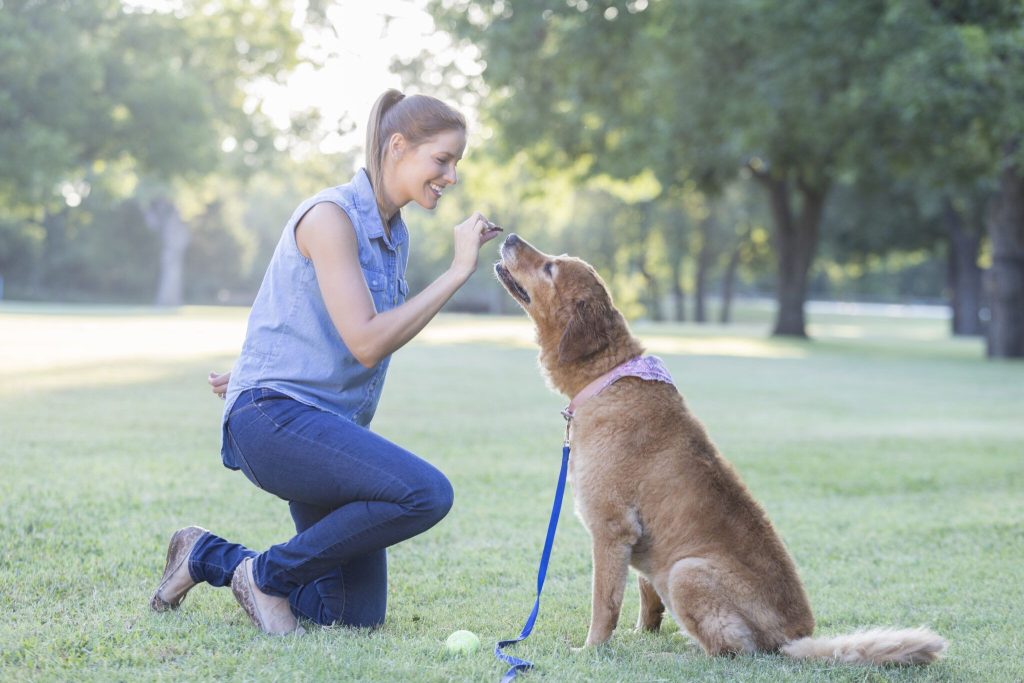
At its core, positive reinforcement revolves around rewarding desired behaviors rather than punishing unwanted ones. This method is rooted in behavioral science and leverages the principle that actions followed by rewards are likely to be repeated. Here are some key features that make positive reinforcement particularly effective:
- Treats: Small, tasty treats can be powerful motivators. For example, many dog owners find that high-value treats, like small pieces of chicken or commercial training treats, can make a significant difference when teaching new commands.
- Praise: Verbal affirmation, such as enthusiastic praise or a high-pitched tone, can reinforce good behavior. Dogs thrive on social approval, and a simple “good boy” or “well done” can accompany the tangible rewards, solidifying the connection between the action and the positive outcome.
- Play: Engaging in playtime as a reward encourages learning. For instance, if your dog responds well to recall commands, following that success with a fun game of fetch can reinforce the behavior while also strengthening your bond.
Why Choose Positive Reinforcement?
Opting for a positive reinforcement approach to dog training can lead to several noteworthy benefits for both you and your dog:
- Enhanced Learning: Dogs learn quicker when they associate good behavior with rewards. Research has shown that animals trained with positive reinforcement retain commands better over time compared to those trained through punishment.
- Reduced Fear: This technique minimizes fear-based reactions, creating a more enjoyable training experience. By emphasizing positive interactions, you can help your dog become more confident and secure, resulting in less anxiety and nervous behaviors.
- Stronger Bond: Trust between you and your pet grows through consistent, positive interactions. As you spend time engaging in rewarding training sessions, your dog will see you as a leader and a source of good experiences, which strengthens your relationship.
As you delve deeper into this method, you will discover how advantageous it can be not only for training but also for overall behavior management. The implementation of positive reinforcement strategies can transform the way you communicate with your dog, making training sessions engaging and effective.
In a world where dogs are often regarded as family members, understanding the power of positive reinforcement may redefine your approach to training and lead to a more fulfilling relationship with your canine companion. Whether you’re a new pet owner or a seasoned trainer, embracing this method can pave the way for a joyful and obedient pet that contributes positively to your daily life.
DIVE DEEPER: Click here to learn more
Benefits of Positive Reinforcement in Dog Training
Positive reinforcement in dog training is not just a trendy approach; it is deeply rooted in behavioral psychology and has proven to create happier, more well-adjusted pets. Understanding the benefits of this training technique can help you make informed decisions about how to interact with your dog, which in turn can enhance the quality of your relationship. Below, we explore some of the primary advantages of incorporating positive reinforcement into your training regimen.
Fostering Effective Communication
Communication is the cornerstone of any successful relationship, including that with your dog. Positive reinforcement establishes a clear line of communication by associating specific behaviors with rewards. When a dog sits on command and is rewarded with a treat or praise, it learns that this action yields a positive outcome. Over time, your dog will start to understand your cues better, which leads to smoother training sessions. This clear communication framework reduces misunderstandings and sets each training session up for success.
Promoting Long-Term Behavior Change
Using positive reinforcement not only teaches your dog new commands but also helps to instill lasting behavioral changes. Here’s how:
- Consistency Builds Confidence: When you consistently reward desired behaviors, your dog develops confidence in its ability to correctly respond to commands. This self-assurance can translate to other areas of its life, making everyday interactions more smooth and enjoyable.
- Encouraging Exploration: Dogs trained with positive reinforcement are often more willing to explore their environment. This willingness stems from a lack of fear of punishment, allowing them to engage with their surroundings more freely. This exploration can lead to mental stimulation and greater overall happiness.
- Longer Retention of Commands: Studies have demonstrated that dogs trained using positive reinforcement tend to retain commands longer than those that are trained with punitive methods. This means fewer refresher courses and a more confident behavior performance in various settings, whether it’s at home or in public.
Creating a Happy Training Experience
Training sessions using positive reinforcement are generally more enjoyable for both the dog and the owner. When rewards are involved, dogs are more inclined to engage in the learning process. This positive experience encourages more frequent training sessions, further reinforcing good behaviors. As you progress in training, both you and your dog start to look forward to these sessions instead of dreading them. The bond between owner and pet deepens when training becomes a time for fun and connection rather than a chore.
Incorporating positive reinforcement into your dog training not only leads to effective obedience but also allows you to build a loving, trusting relationship with your dog. As you delve deeper into these methods, the more you will discover how these tactics transform your interactions and enhance your pet’s quality of life significantly.
The Importance of Positive Reinforcement in Dog Training
Positive reinforcement</ is a powerful tool in dog training, as it helps to build a bond between the owner and the dog, fostering an environment of trust and understanding. By rewarding desired behaviors with treats, praise, or playtime, dogs are more likely to repeat those behaviors. This method not only makes the training process more enjoyable for both the dog and the trainer but also leads to long-lasting behavioral changes.One key advantage of positive reinforcement is that it encourages dogs to learn willingly. Traditional punishment methods can lead to fear and anxiety, ultimately causing a breakdown in the dog-owner relationship. Instead, with positive reinforcement, dogs become eager to engage in training sessions. This method promotes a positive atmosphere where dogs feel safe and confident, which in turn facilitates easier learning of complex commands and tricks.Moreover, positive reinforcement has been shown to be incredibly effective in addressing behavioral issues. For example, if a dog tends to bark excessively or exhibit aggression, redirecting their focus to a more acceptable behavior—such as sitting quietly and rewarding them when they do —can lead to significant improvements. This method can effectively diminish unwanted behaviors without inducing stress or confusion in the dog.By utilizing positive reinforcement techniques, trainers can also cater to each dog's unique personality and learning pace. Some dogs may respond better to verbal praise, while others may thrive on physical affection or tangible rewards. Understanding these individual preferences means that training can be tailored, making the process more effective and enjoyable.Overall, the shift towards positive reinforcement in dog training represents a modern, more humane approach to fostering good behavior in pets. Understanding its various benefits can greatly enhance both the training experience and the relationship between dogs and their owners. For those interested in delving deeper into effective training methods, further exploration of science-backed reinforcement techniques may yield exciting results.
| Category | Advantages |
|---|---|
| Increased Engagement | Creates a joyful atmosphere where dogs are eager to learn. |
| Effective for Behavioral Issues | Helps address unwanted behaviors without fear or stress. |
DIVE DEEPER: Click here to learn more about the benefits of a balanced diet
Bridging Behavioral Gaps
While positive reinforcement serves as a primary teaching tool in dog training, it can also be an essential mechanism for addressing behavioral issues. Many dogs exhibit problematic behaviors due to stress, fear, or lack of understanding of human expectations. Positive reinforcement provides an effective means of redirecting these behaviors without instilling fear or anxiety in your pet.
Redirecting Negative Behaviors
One of the profound benefits of positive reinforcement is its efficacy in correcting undesirable actions. Rather than scolding a dog for misbehavior, trainers can redirect their focus towards positive behaviors that can be rewarded. This method not only encourages the desired behavior but also minimizes negative associations with training. For example:
- Jumping on Guests: Instead of punishing a dog for jumping excitedly when guests arrive, you can train them to sit and reward them when they do so upon receiving visitors. This fosters good manners in social situations without inducing fear of reprimand.
- Barking Excessively: If a dog barks at passersby, using positive reinforcement can help. When it remains calm while seeing someone walk by, reward it with treats or praise. This helps the dog learn that quiet behavior leads to positive outcomes.
Building Emotional Resilience
Positive reinforcement training helps develop a dog’s emotional intelligence and resilience. Training under this approach allows dogs to feel safe, boosting their emotional health over time. For instance, dogs that experience fear during certain stimuli, like thunderstorms or fireworks, can be better managed through positive experiences:
- Desensitization with Rewards: By gradually exposing your dog to the fearful stimuli while rewarding calm behavior with treats, it becomes more conditioned to handle such situations. Repetition in a nurturing environment builds confidence, enabling dogs to approach previously frightening experiences with a level of comfort.
- Enhancing Socialization: Dogs trained using positive reinforcement are generally more sociable. Encouraging them to interact positively with other dogs and people through rewards can help reduce anxiety and lead to improved behavior in public settings.
Encouraging Lifelong Learning
Positive reinforcement fosters a sense of curiosity, which is vital for ongoing training and learning. When dogs perceive training sessions as enjoyable experiences rather than a chore, they are more open to learning new skills all their lives. Trained dogs exhibit a natural enthusiasm for learning, making them more adaptable in varied situations.
Furthermore, implementing a disciplined and structured routine using positive reinforcement will prepare your dog to accept new challenges with grace. This is especially true when introducing dogs to complex tasks, like agility training or advanced obedience commands. The results can be particularly rewarding—as dogs embark on advanced training abilities, both physically and mentally stimulating.
Ultimately, the advantages of positive reinforcement in dog training reach far beyond simple obedience. With persistent application, your dog benefits from robust behavioral transformations, greater emotional stability, and an enhanced inclination for continuous, joyful learning. Every click of the training clicker or reward earned strengthens the transformative bond you share with your canine companion.
LEARN MORE: Click here for insights on pet nutrition
Conclusion
In summary, positive reinforcement stands as a cornerstone in effective dog training, offering an ethical and engaging approach to developing well-behaved companions. By focusing on rewarding desired behaviors, trainers can cultivate an environment that not only promotes obedience but fosters strong emotional connections between dogs and their owners.
A remarkable aspect of positive reinforcement is its ability to address behavioral challenges without resorting to punishment, enhancing a dog’s emotional resilience. This method encourages dogs to learn and adapt positively, making it easier for them to navigate everyday life while minimizing stress and anxiety. Moreover, the boost in social skills and confidence acquired through such training fosters lasting relationships, creating harmonious interactions in various settings, from the home to more public environments.
Additionally, embracing positive reinforcement can lead to a culture of lifelong learning and curiosity. Dogs trained with this method are more excited about engaging in new experiences and skills, allowing them to thrive in dynamic situations, whether it’s advanced obedience training or simply enjoying a walk in the park.
Ultimately, the focus on reward-based training not only leads to immediate behavioral improvements but ensures that learning remains a joyous experience for both dogs and their human companions. As you consider your training options, let positive reinforcement guide your journey, enriching the bond you share with your furry friend and setting the stage for a lifetime of shared adventures and learning. Explore different techniques and continue to witness the transformative power of positivity in your dog’s life.