The Importance of Providing Appropriate Toys for Pets’ Mental Health
Understanding the Importance of Play for Pets
The role of play in a pet’s life is often underestimated, yet it plays a crucial role in their overall well-being. Just as humans engage in activities that stimulate mental and physical health, pets require similar outlets to remain happy and healthy. Providing appropriate toys can enhance their mental health significantly while also nurturing the human-animal bond.
The Psychological Impact of Play
Engaging in play not only serves as a fun pastime but also provides pets with the mental stimulation they need. When animals play, they release endorphins, which can relieve stress and alleviate symptoms of anxiety. This is particularly crucial during stressful situations such as thunderstorms, fireworks, or environmental changes like moving to a new home. Interactive toys that make sounds or dispense treats can divert a pet’s attention and help them feel more secure.
Combatting Boredom and its Consequences
Boredom can lead to a variety of destructive behaviors in pets, including excessive barking, chewing on furniture, or digging in the yard. Engaging toys designed for interactive play not only keep your pet entertained but also assist in reducing these negative behaviors. Consider investing in puzzle toys, which require pets to use their problem-solving skills to access treats, or automated toys that erratically move to stimulate a pet’s natural hunting instincts. Such toys can help tire them out mentally and physically, leading to a calmer living environment.
Encouraging Natural Behaviors
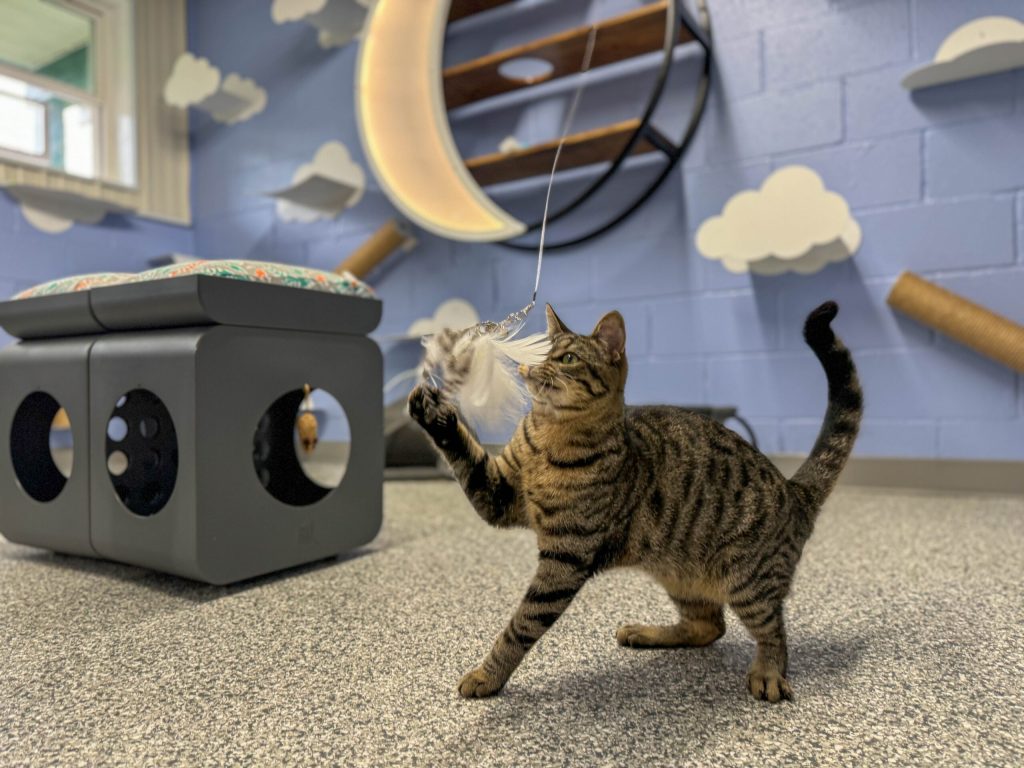
Pets, especially dogs and cats, have inherent instincts that need to be expressed, such as hunting or foraging. Toys that mimic these natural behaviors allow pets to engage in play that feels instinctual and fulfilling. For instance, feather wands for cats provide an opportunity for them to stalk and pounce, while squeaky toys can mimic the sounds of prey, appealing strongly to dogs’ predatory instincts. Offering these types of toys helps promote a more fulfilled and satisfied pet.
Choosing the Right Toys
In the United States, an increasing number of pet owners are prioritizing the use of mentally stimulating toys. The pet care market has seen a surge in the availability of innovative toys, which cater to various needs. It is essential to choose the right toys that match your pet’s age, size, and preferences. For instance, younger pets may benefit from chew-resistant toys that support teething, while older pets may prefer softer toys that are easier on their jaws.
This exploration into the importance of providing appropriate toys reveals just how significantly they can impact your beloved pet’s mental well-being. By investing in the right types of engaging and interactive toys, you are not only enriching their lives but also fostering a deeper connection between you and your pet. As pet owners, staying informed about the psychological benefits attributable to play will lead to happier and healthier companions.
DISCOVER MORE: Click here for essential tips
The Role of Toys in Enhancing Pet Well-being
The provision of appropriate toys is fundamental in fostering a pet’s mental health. Just as children benefit from engaging with toys that stimulate creativity and promote social interaction, pets too thrive when they have the right tools for play. Understanding the dynamics of how toys contribute to a pet’s mental well-being can help owners make informed choices that directly impact the happiness and health of their furry companions.
Types of Toys and Their Benefits
The variety of toys available today caters to different aspects of pet play and mental wellness. From simple chew toys to complex interactive devices, the right choices can keep your pet entertained for hours. Some essential categories include:
- Chew Toys: Perfect for teething puppies and dogs that love to gnaw, these toys not only satisfy their urge to chew but also promote dental health.
- Interactive Toys: Designed to stimulate your pet’s brain, these toys often involve problem-solving challenges, making them ideal for pets that need mental engagement.
- Fetch Toys: Balls and frisbees encourage exercise and can help build your pet’s physical health while also providing a bonding opportunity during play sessions.
- Soft Toys: Often comforting for pets, plush toys can provide emotional support, especially during stressful times, making them essential in any pet toy arsenal.
Each of these toy types serves a distinct purpose, aiding in exercise, reducing anxiety, and promoting cognitive development. Selecting a mix of these toys ensures that your pet remains engaged and stimulated, preventing the potential onset of behavioral issues.
The Science Behind Play and Mental Health
Research has shown that play is vital for the mental health of pets. According to a study conducted by the American Psychological Association, regular play is linked to reduced levels of anxiety and depression in animals. Participating in play activates the brain’s reward system, effectively changing behaviors and enhancing their mood.
Moreover, playtime is an opportunity for pets to practice social skills. Dogs, for example, learn to read body language and social cues during interactions with their owners and other dogs during play. An enriched environment created through the use of varied toys can help cultivate a balanced temperament and improve overall quality of life.
Nurturing Relationships Through Play
Providing appropriate toys does more than simply amuse pets; it strengthens the bond between pet owners and their companions. Engaging in play together fosters trust and understanding, allowing owners to better recognize their pet’s needs and preferences. Whether it’s throwing a ball at the park or guiding a cat to chase a feather toy, these shared activities enhance not just the animal’s mental health, but also enrich the human-animal relationship.
In summary, the importance of selecting appropriate toys for pets cannot be overstated. The right toys contribute to mental stimulation, emotional support, and positive owner-pet interactions. Understanding and implementing these elements can lead to a happier, healthier pet and a more fulfilling companionship.
The Importance of Providing Appropriate Toys for Pets’ Mental Health
As pet owners become increasingly aware of the mental well-being of their furry companions, the role of toys in promoting pets’ mental health cannot be understated. Engaging toys serve not only as entertainment but also as crucial stimuli that cater to a pet’s natural instincts. Properly designed toys are tailored to challenge a pet’s intellect, encouraging problem-solving and cognitive development, which can help stave off boredom-induced behavioral issues.Furthermore, different types of toys appeal to various species and breeds of pets. For instance, interactive toys that require physical activity, such as puzzle feeders, can enhance an animal’s mental sharpness while effectively keeping them physically active—a dual benefit that is essential for overall well-being. Likewise, chew toys can satisfy a dog’s innate chewing instinct, providing a needed outlet for their energy while ensuring their dental health.The importance of including a variety of toys in your pet’s environment becomes even clearer when considering that mental stimulation can lead to more than just happiness; it can help alleviate anxiety and stress. Pets that have access to appropriate toys are less likely to engage in destructive behaviors caused by frustration or boredom. For those contemplating the right investment in their pet’s happiness, understanding how toys influence their mood and behavior is paramount.
| Type of Toy | Benefits |
|---|---|
| Interactive Toys | Stimulate mental engagement and problem-solving skills |
| Chew Toys | Satisfy natural chewing instincts and promote dental health |
| Puzzle Feeders | Combine mental challenge with nutritional benefits |
Providing the right toys for pets is akin to offering the right tools for a job; they help pets thrive mentally and physically. Choosing toys that harness your pet’s instincts can lead to enriched life experiences, engaging them in play that enhances not only their happiness but also their overall quality of life. Engaging actively with your pet through play is an invaluable way to strengthen your bond while promoting positive mental health.
DISCOVER MORE: Click here to dive deeper
Understanding the Impact of Environmental Enrichment
Environmental enrichment is a critical aspect of maintaining a pet’s mental health, and providing appropriate toys plays a significant role in this area. Pets, much like humans, require stimulation to remain happy and engaged. Boredom can lead to destructive behaviors, anxiety, and depression among pets. By curating a selection of toys that cater to their natural instincts and tendencies, pet owners can create a stimulating environment that promotes mental wellness.
Natural Instincts and Toy Selection
It is essential to understand your pet’s natural instincts when selecting toys. For instance, dogs are pack animals that thrive on social interaction, while cats are natural hunters that require opportunities to stalk or pounce. Engaging them in ways that align with their instincts not only reduces frustration but also fulfills their innate needs for mental and physical challenges.
- Hunting Toys for Cats: Toys that mimic prey, such as feather wands or electronic mice, can stimulate your cat’s hunting instincts, encouraging them to engage in natural behaviors that promote mental health.
- Puzzle Feeders for Dogs: These toys require dogs to solve a puzzle to access treats, combining playtime with mental stimulation and promoting longer-lasting engagement.
Through an understanding of these instincts and by providing the right toys, owners can significantly enhance their pet’s quality of life. This approach fosters not only mental engagement but also a sense of fulfillment as pets engage in activities that reflect their natural behavior.
The Long-term Benefits of Play
The long-term benefits of play and mental engagement are substantial. Regular interaction with toys can help maintain a pet’s cognitive function as they age. According to veterinarians, pets that engage in regular mental stimulation through toys are less likely to develop cognitive decline, a condition akin to dementia in humans. This underlines the importance of incorporating a diverse range of toys into a pet’s routine to ensure that they remain mentally sharp and engaged throughout their lives.
For senior pets, soft or plush toys can offer additional comfort, acting as companions to ease anxiety during times of distress or transition. This highlights the need for thoughtful selection when it comes to toys for aging pets, ensuring that they cater to both their mental and emotional needs.
Reviewing and Rotating Toys
Another vital aspect of maintaining a stimulating play environment is the practice of reviewing and rotating toys. Pets may lose interest in the same toys over time, leading to decreased engagement. By regularly introducing new toys and rotating existing ones, owners can maintain their pet’s interest and provide them with fresh mental challenges.
Research from the American College of Veterinary Behaviorists suggests that variation in toy options can decrease behavioral issues commonly associated with boredom. This simple act can prevent anxiety-driven behaviors such as excessive barking, chewing, or litter box avoidance in cats.
In addition to fostering engagement, rotating toys serves as an excellent means of keeping the pet-owner bond strong. Owners can use the excitement of new toys to reconnect with their pets, enhancing shared experiences and evening playtime sessions.
Offering your pet a rich variety of stimulating toys and regularly updating their selection can contribute significantly to their mental health, ensuring a more fulfilling and enriched life. Understanding the full potential of playtime is a crucial step in responsible pet ownership, ultimately leading to happier, healthier pets.
DISCOVER MORE: Click here to learn about safe nutritional supplements for pets
Conclusion: The Essential Role of Toys in Pet Mental Health
In conclusion, the significance of providing appropriate toys for pets cannot be overstated, as it is a fundamental aspect of ensuring their mental health and overall well-being. By understanding and catering to their natural instincts, pet owners can create an enriching environment that not only mitigates boredom and anxiety but also fosters cognitive engagement throughout their lives. The careful selection of toys, such as hunting toys for cats and puzzle feeders for dogs, aids in satisfying their innate behaviors and enhances their quality of life.
Furthermore, regular rotation and review of toys are vital in maintaining sustained interest, preventing behavioral issues, and strengthening the bond between pet and owner. The long-term benefits derived from play extend beyond immediate entertainment; they contribute to maintaining cognitive functions and emotional stability during the pet’s life stages, particularly in aging pets who may require additional comfort.
As responsible pet owners, it is crucial to recognize the profound impact of mental stimulation through toys. Engaging in this aspect of pet care is not merely a trend but a necessary commitment to ensuring that our furry companions lead happy, fulfilling lives. By embracing the importance of play and investing in suitable toys, we pave the way for healthier, more content pets, creating a harmonious environment in which they can thrive.