
The Role of Animal Shelters in Facilitating the Adoption Process

The Lifeline for Animals in Need
Every year, millions of animals across the United States find themselves in need of a second chance. Animal shelters are at the forefront of this mission, serving as safe havens for stray, abandoned, and neglected pets. These vital organizations are not only focused on providing immediate care and protection for animals but also play an indispensable role in facilitating the adoption process. As more individuals recognize the importance of shelter animals, these institutions continue to evolve to meet the dynamic needs of their communities.
Safe Environments and Holistic Care
One of the primary functions of animal shelters is to provide safe environments for vulnerable animals. Shelters are designed to protect animals from harm while they await their forever homes. This physical security is complemented by emotional care, where trained staff and volunteers interact with animals, helping to reduce their stress and anxiety. For example, many shelters have dedicated socialization areas where animals can play and interact with both humans and other pets.
Moreover, these facilities often go above and beyond basic sheltering by offering comprehensive care. This includes essential medical services like vaccinations, spaying/neutering, and regular health check-ups, ensuring that every animal is given the best chance for a healthy life. Many shelters also engage in behavioral assessments to prepare animals for adoption, matching them with families that best suit their temperaments and needs.
Building Awareness Through Community Education
In addition to their primary roles, animal shelters also focus on community education. They inform the public about responsible pet ownership, the benefits of spaying and neutering, and the importance of adopting rather than shopping for pets. This educational outreach can play a pivotal role in reducing the number of homeless animals. For instance, many shelters visit local schools or host community events to share stories of successful adoptions, inspiring future pet owners to consider adopting a rescue animal.
Innovative Adoption Strategies
As times change, so too do the strategies that shelters employ to streamline the adoption process. Virtual adoption events have gained traction, allowing potential adopters to browse animals online, view videos of them interacting with staff, and even participate in live Q&A sessions. This accessibility has proven invaluable in fostering connections between adopters and animals, particularly during the constraints of the pandemic.
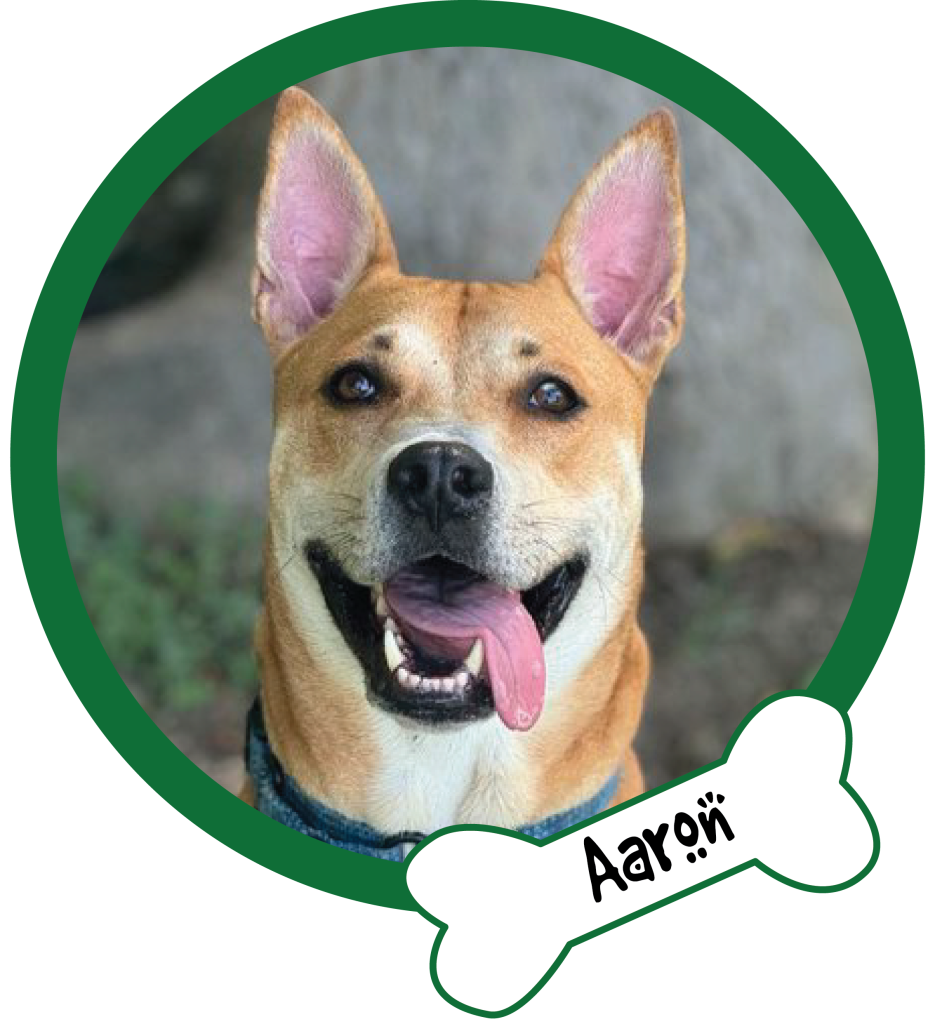
Additionally, foster programs have emerged as an effective means of assessing animal compatibility with potential adopters. By placing pets in short-term foster homes, shelters can gain insights into the behaviors and needs of each animal, ensuring a smoother transition to their forever homes. This temporary arrangement not only alleviates shelter overcrowding but also allows animals to experience a home-like environment, which can help reduce anxiety and enhance their adoptability.
Moreover, adoption incentives have become a popular way to encourage families to consider bringing home a shelter pet. Many shelters offer reduced fees or promotional programs during special events, making it more affordable for families to adopt a furry companion. These initiatives not only help place animals in loving homes but also foster a culture of compassion and responsibility within communities.
In conclusion, animal shelters are invaluable institutions that rescue animals and connect them with loving families. This mission creates a ripple effect of compassion and responsibility, enriching communities across the nation. With their dedication to comprehensive care and innovative adoption strategies, animal shelters are indeed the lifeline for countless creatures in need.
LEARN MORE: Click here to discover the secrets of a balanced diet for your pets
Creating Pathways to Forever Homes
Animal shelters serve as a critical link between vulnerable animals and compassionate families ready to provide them with loving homes. They not only offer refuge from the harsh realities of life on the streets but also enhance the adoption process in myriad ways. This transformative journey begins with the shelters’ commitment to creating a welcoming environment and establishing vital connections between animals and potential adopters.
Personalized Adoption Counseling
One of the strongest aspects of animal shelters is their approach to personalized adoption counseling. Staff and volunteers take the time to understand the needs and preferences of potential adopters, guiding them through the selection process. This tailored experience often involves discussing lifestyle compatibility, family dynamics, and the specific requirements of different breeds and ages of animals. For example:
- Families with young children may be advised to consider more tolerant breeds.
- Active individuals might find that high-energy dogs, like borders collies, match their lifestyle.
- Those seeking a calmer companion may be steered toward older, low-energy pets.
By fostering these conversations, shelters ensure that families are not only matched with the right animal but that the adoption process is smoother and more successful. This reduces the likelihood of animals being returned after the adoption, a situation that can be detrimental for both the pet and the family.
Transparent Adoption Procedures
In an era where transparency is highly valued, many shelters have redefined their adoption procedures to build trust with potential adopters. They provide comprehensive information regarding each animal’s history, health status, temperament, and any behavioral issues. This honesty encourages informed decision-making and nurtures a deeper understanding of the responsibilities that come with pet ownership. Various shelters utilize detailed profiles and online databases where prospective adopters can learn about available pets before even stepping foot into the facility.
Moreover, many shelters employ the use of meet-and-greet opportunities that allow potential adopters to interact with animals in a safe and structured setting. Such interactions are crucial as they not only showcase an animal’s personality but also help adopters assess if the pet is the right fit for their household.
Community Partnerships to Boost Adoption Rates
Animal shelters are increasingly collaborating with local businesses, schools, and community organizations to enhance visibility and adoption rates. These partnerships facilitate joint events and awareness campaigns, allowing shelters to reach wider audiences. Some shelters have embraced creative initiatives such as:
- Hosting “Adopt-a-Pet” days in popular community spaces.
- Providing educational workshops on responsible pet ownership.
- Creating social media campaigns that spotlight adoptable animals.
Such collaborations not only increase public engagement but also create a sense of community investment in the welfare of local animals. They contribute to a shift in public perception, encouraging adoption as a responsible choice over purchasing pets from breeders or stores.
In summary, animal shelters play a pivotal role in facilitating the adoption process by offering personalized support, transparent procedures, and leveraging community partnerships. These efforts not only transform the lives of animals but also enrich the families who invite them into their hearts and homes.
Animal shelters play a pivotal role in ensuring that the adoption process is seamless and nurturing for both animals and potential pet owners. One of the most critical aspects is the educational support provided to prospective adopters. This education spans a range of topics including animal behavior, proper care, and responsibilities of pet ownership. Through workshops and one-on-one consultations, shelters cultivate an informed community ready to welcome a new furry family member.Moreover, many shelters offer a series of outreach programs that strengthen the bond between animals and humans prior to adoption. Such programs include fostering opportunities, where individuals can take pets into their homes temporarily. This not only helps to socialize animals but also provides insight into the personality and needs of each creature. Participating in these initiatives enhances the adoption experience by matching individuals with animals that fit their lifestyle.Furthermore, the implementation of structured adoption events cannot be overlooked. These events are designed to create a positive atmosphere around the adoption process, effectively drawing in the community while generating excitement and awareness about available pets. Through creative marketing presentations and engaging interaction opportunities, these gatherings transform the adoption experience, making it more accessible and enjoyable.In addition to the emotional aspects, many shelters emphasize the advantages of adopting over purchasing pets. Adopting from a shelter often includes health benefits like vaccinations and spaying/neutering, significantly reducing the costs for the new pet owner. This holistic approach ensures a comprehensive understanding of the unique bond between humans and animals, governing a successful, responsible adoption process that favors both parties.As animal shelters continue to innovate in their methods, the overall mission remains clear: to find loving homes for animals in need while fostering a compassionate community. For anyone interested in learning more about the diverse programs and initiatives available, diving into the myriad services of local animal shelters could reveal astonishing opportunities for involvement and education. To summarize the relevant advantages in an organized format, refer to the following table.
| Advantage | Details |
|---|---|
| Educational Support | Shelters provide resources about pet care, enhancing the chances of a successful adoption. |
| Fostering Programs | Temporary homes aid socialization and help match pets with compatible owners. |
| Community Events | Adoption events create excitement and raise awareness of available animals. |
| Health Benefits | Adopting often includes vaccinations and spaying/neutering, reducing costs. |
DISCOVER MORE: Click here for tips on keeping your pets happy and healthy
Empowering Adopters with Education and Resources
A significant aspect of animal shelters’ involvement in the adoption process is their commitment to empowering potential adopters with extensive education and resources. Understanding the responsibilities that come with pet ownership is crucial for ensuring long-term success in adopting a new family member. This education revolves around various aspects of pet care, behavior, and health, equipping adopters with the knowledge they need to provide a loving and stable environment.
Comprehensive Pre-Adoption Workshops
Many shelters offer pre-adoption workshops designed to educate potential pet owners about animal behavior, training, and responsible care. These workshops cover essential topics such as creating safe spaces for pets, recognizing signs of stress or anxiety, and the importance of regular veterinary care. By attending these sessions, individuals become more informed about what it entails to welcome a new pet into their home, greatly reducing the risk of complications post-adoption.
Statistics indicate that shelters that implement educational programs see a marked reduction in return rates. For instance, organizations that offer these workshops report up to a 30% drop in post-adoption returns, signifying that knowledge and preparation can significantly impact the success of an adoption.
Post-Adoption Support and Resources
Beyond educational initiatives, shelters often provide ongoing post-adoption support to new pet owners. This can take the form of follow-up calls, support hotlines, or access to trainers who can assist in addressing behavioral challenges that may arise in the early stages of pet ownership. Such resources are critical in helping adopters navigate the initial hurdles of integrating a new pet into their home.
Moreover, many shelters maintain connections with local veterinarians and trainers, allowing them to offer discounted services and resources to adopters. This creates a supportive ecosystem that fosters both the pet’s well-being and the adopter’s confidence in their new role.
Promoting a Culture of Adoption through Events
Animal shelters are also at the forefront of promoting a culture of adoption through various community events. Special adoption fairs, themed weekends like “Clear the Shelters,” and holiday promotions draw crowds and create an energetic environment that showcases available pets. These events often feature:
- Fun activities and entertainment for families.
- Free giveaways and adoption incentives, such as reduced fees or bundled starter kits that include essentials like food and toys.
- Opportunities for pet bonding activities, such as agility courses or meet-ups in the park.
Such events not only attract potential adopters but also serve to educate the public about the importance of adopting animals from shelters rather than purchasing them from breeders or pet stores. Increased visibility and outreach efforts expose more individuals to the joys of adoption, which can lead to higher adoption rates.
Harnessing Technology for Increased Accessibility
In today’s digital age, many shelters have adapted their operations to include technology-driven solutions that offer greater accessibility to potential adopters. Virtual adoption fairs, online databases of adoptable animals, and social media campaigns allow shelters to reach a broader audience. For example, the use of virtual meet-and-greets has become increasingly popular, enabling prospective adopters to interact with pets without having to visit the shelter in person. This is particularly advantageous for individuals with mobility challenges or those living in distant areas.
Additionally, shelters leverage platforms like Instagram and Facebook to share heartwarming stories, photographs, and videos of animals waiting for forever homes. These storytelling techniques forge emotional connections, inspiring viewers to consider adoption.
Through education, community engagement, and technological advancements, animal shelters are redefining the adoption process. By fostering a supportive environment for both pets and potential adopters, they continue to play a vital role in creating a future where every animal has the chance to find their forever home.
DISCOVER MORE: Click here to learn about the emotional challenges of pet adoption
Conclusion: Building Lifelong Bonds through Adoption
In a world where countless animals are in desperate need of loving homes, animal shelters serve as indispensable resources in facilitating the adoption process. Through their unwavering commitment to education, post-adoption support, and community outreach, these shelters not only increase the chances of successful adoptions but also foster lasting bonds between pets and their new families. The evidence is clear: by providing prospective adopters with the tools and knowledge necessary to navigate pet ownership, shelters significantly reduce the rate of returns and improve overall well-being for both pets and humans alike.
Innovative initiatives such as pre-adoption workshops, engaging community events, and the use of technology have revolutionized how potential adopters connect with animals in need. By cultivating a culture of awareness and responsibility, shelters encourage individuals to make informed decisions that ultimately lead to successful adoptions. The importance of adopting from shelters, rather than purchasing from breeders or pet stores, resonates throughout communities, showcasing the profound impact that adopting can have on the lives of both animals and people.
As we celebrate the role of animal shelters in facilitating the adoption process, let us continue to support these vital organizations and spread the message of adoption. The journey of finding a furry companion should always be a positive experience filled with love, education, and lasting connections. By investing in our local shelters, we invest in a brighter future for all animals, ensuring that every pet has the chance to find their forever home.