Tips for Creating a Safe and Comfortable Environment for Your Pet
Creating a Safe Haven for Your Beloved Pet
As pet owners, one of the most significant responsibilities we have is ensuring our pets feel safe and secure in our homes. An environment that prioritizes their safety not only protects them but also enhances their overall happiness and well-being, which in turn deepens the bond between you and your furry friend.
To start, secure your space by identifying and eliminating potential hazards that could pose a risk to your pet’s health. For example, many common houseplants, such as lilies, azaleas, and philodendrons, are toxic to pets. Additionally, ensure small objects that could be swallowed, like coins or small toys, are out of reach. Exposed wires should be covered or removed; not only can they cause electrocution, but they are also a chewy temptation for curious pets.
Providing cozy retreats is essential for your pet’s comfort. Invest in high-quality bedding that suits the sleeping habits of your pet, whether it be a plush bed for a dog or a quiet secluded area for a cat. Cats, in particular, love spaces where they can observe their surroundings without being disturbed, so creating a “cat condo” with elevated platforms can offer both comfort and entertainment.
Maintaining proper ventilation is another critical aspect of creating a suitable environment. Pets can often struggle with extreme temperatures, so ensuring good airflow helps regulate their bodies. If your home tends to become stuffy, consider using fans or air purifiers to enhance air quality, especially during the sweltering summer months or harsh winters.
Routine plays a vital role in pet ownership. A regular routine involving consistent feeding times and daily exercise can mitigate anxiety and behavioral issues. Dogs, for instance, thrive on walks at the same time each day, while cats enjoy interactive play sessions that stimulate their natural hunting instincts. Observe your pet’s energy levels and adjust their schedule accordingly to keep them happy and enriched.

Creating safe outdoor spaces is equally important. If you have a yard, consider installing a fence to protect your pets from escaping and potential dangers. Some pet owners choose to build secure play areas for their pets that include shaded spots for warm days and toys for entertainment. For pets that love to explore, a leash and harness can provide a safe way for them to enjoy the great outdoors while keeping them close.
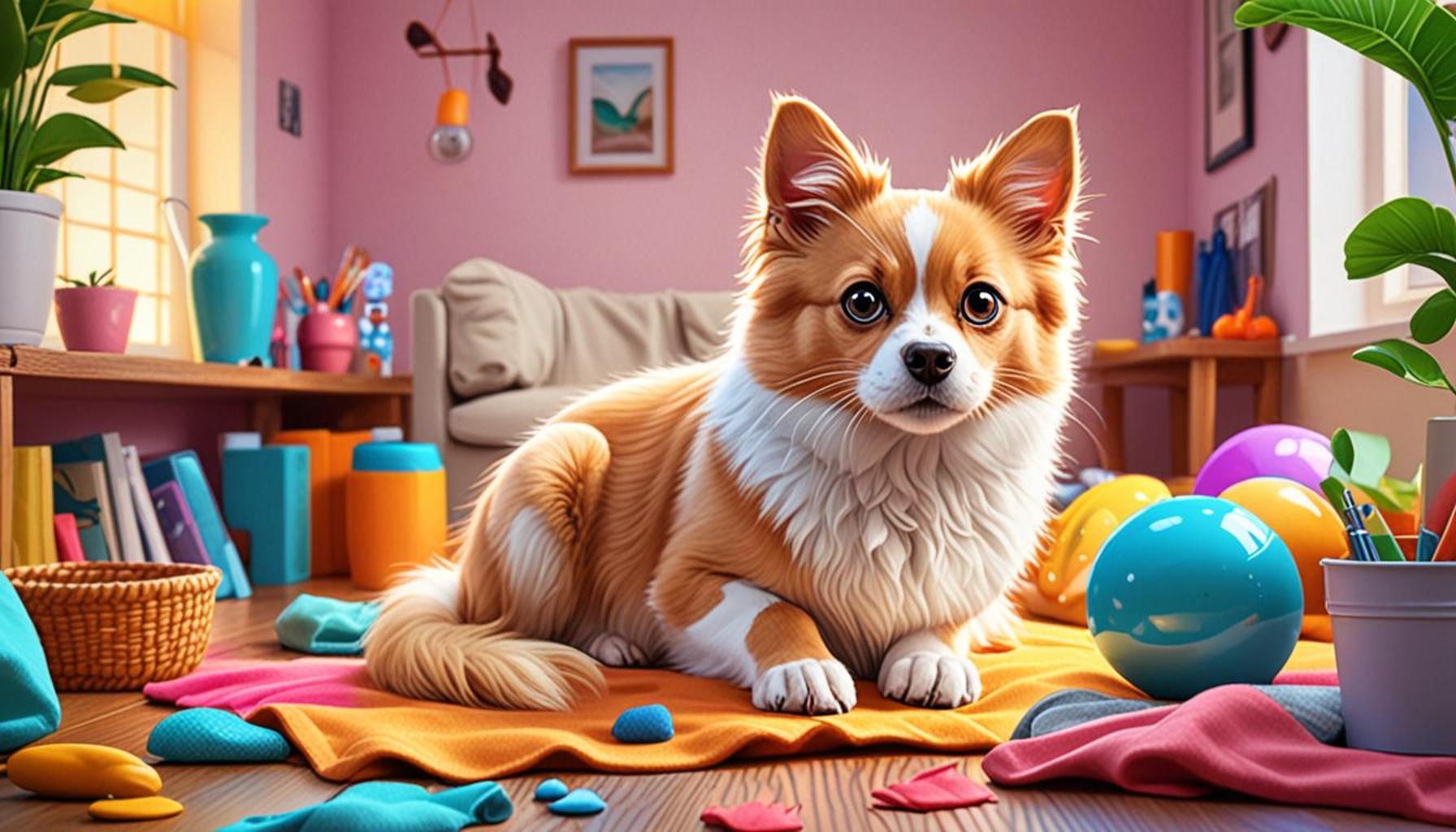
Designating comfort zones creates areas where pets can retreat when they need some alone time. By providing familiar toys and blankets in these spaces, you equip them with everything they need to feel secure and loved. For example, creating a small nook filled with their favorite toys, along with a cozy blanket, can serve as a perfect sanctuary during stressful times, like thunderstorms or fireworks.
Ultimately, understanding your pet’s unique needs makes a substantial difference. As you embark on the journey to cultivate a safe haven for your furry friend, continuously observe their behaviors, preferences, and any changes that may arise. The more you adapt your environment to suit your pet’s needs, the greater their happiness—and yours—will be in this shared journey of companionship.
DISCOVER MORE: Click here for essential dog food tips
Essential Safety Measures for Your Home
Ensuring a safe environment for your pet begins with a thorough assessment of your living space. It is crucial to be proactive in identifying possible risks that might be lurking around your home. Here are some essential steps to take:
- Store Away Hazardous Materials: Cleaning supplies, medications, and chemicals should be securely stored in cabinets out of your pet’s reach. Many of these substances can be toxic, leading to dire health issues.
- Childproof Your Home: Just like you would for a child, consider installing baby gates or locking cabinets to keep curious pets away from potentially dangerous areas.
- Ensure Windows Are Secure: Screened windows are great for fresh air, but make sure they are intact and strong enough to prevent your pet from falling out or escaping.
- Check Your Furniture: Ensure there are no sharp edges on furniture or decorations, and make sure heavy items are stable enough to avoid tipping, especially in homes with active pets.
Additionally, consider the impact of furniture arrangement in your home. By arranging your furniture to create clear pathways and minimizing clutter, you not only enhance the flow of your home but also reduce the chance of your pet tripping or bumping into items that could cause injury.
The Importance of Stimulation and Interaction
Pets require both physical and mental stimulation to thrive in a home environment. A lack of engagement can lead to boredom, which often translates into destructive behavior. Engaging your pets with an array of interactive toys or activities designed to stimulate their minds is a great way to mitigate such issues.
Consider incorporating a variety of the following options:
- Puzzle Feeders: These can turn mealtime into a fun activity, challenge your pet’s mind, and prevent overeating.
- Interactive Games: Simple games, like hide and seek or fetch, can build enthusiasm while providing much-needed exercise.
- Training Sessions: Regular training not only enforces discipline but also strengthens the bond between you and your pet while keeping their mind active.
Additionally, take advantage of outdoor spaces by incorporating regular walks and trips to pet-friendly parks. Such outings not only offer physical exercise but also allow your pet to encounter various sights, smells, and other animals, enhancing their overall socialization.
Creating a Routine for Consistency
The establishment of a consistent routine is essential for creating a comfortable environment for your pet. Similar to humans, pets thrive on predictability, and a well-structured routine can significantly alleviate anxiety. By implementing a schedule that encompasses feeding, playtime, and relaxation, you can foster a sense of security in your pet.
Make sure to tailor your routine to suit your pet’s individual needs and preferences. For example, some pets may require more frequent breaks or varied activities based on their breed, age, and general temperament. Regularly reassessing their routines will help ensure that their needs continue to be met throughout their lives.
By implementing these tips, you will foster an environment that prioritizes safety, engagement, and comfort for your beloved pets, leading to a happy and fulfilling life together.
| Category | Description |
|---|---|
| Safe Spaces | Creating designated safe zones can help your pet feel more secure in your home. |
| Comfort and Warmth | Ensure your pet has access to cozy bedding and warmth, promoting relaxation and reducing stress. |
| Toxic-Free Environment | Utilize pet-friendly cleaning products to keep harmful chemicals away from your pets. |
| Safe Furniture | Choose furniture with rounded edges to prevent injury and avoid hazards in the living spaces. |
When you create a safe and comfortable environment for your pet, consider incorporating elements like safe spaces, comforting bedding, and non-toxic materials. A space tailored to your pet’s needs will ensure they feel secure and relaxed, allowing for a harmonious living situation. Additionally, keep your home organized and free of sharp objects or small items that could be harmful if ingested. Emphasizing these aspects not only enhances your pet’s well-being but also ensures peace of mind for you as an owner.
DISCOVER MORE: Click here for essential tips
Understanding Your Pet’s Behavioral Needs
While physical safety and comfort are crucial for your pet, understanding their behavioral needs is equally important. Each furry companion has unique preferences and instincts that need to be nurtured in order to thrive in your home. Knowing how to meet these needs can help alleviate stress and create a serene living environment.
One aspect to consider is the social behavior of your pet. Animals, much like humans, are social creatures. Ensuring they have opportunities for interaction with you and other pets can have significant benefits for their emotional well-being. If you’re frequently away from home, having a second pet can often provide companionship and entertainment for your first pet. Just be sure to choose a breed and age that complements your existing pet’s personality.
Moreover, creating a designated space for your pet can further enhance their comfort. This could include a cozy dog bed or a secure cat condo, ideally in a quiet area where they can retreat when they need peace. Having a specific area allows them to establish their own territory, which can reduce anxiety, especially in multi-pet households.
The Role of Nutrition in Pet Comfort
Nutrition plays a vital role in your pet’s overall wellness, impacting both their physical and mental state. A well-balanced diet will not only keep them physically healthy but also contribute to their happiness and well-being. Consult with your veterinarian to choose high-quality food that aligns with your pet’s breed, age, and health requirements.
Hydration is also critical. Always provide access to fresh water and consider investing in a pet water fountain. Many pets prefer drinking running water, which can encourage them to stay hydrated. Additionally, be cautious with treats and table scraps; not all human food is safe for pets. Some foods, such as chocolate and onions, can be toxic, so it’s vital to research pet-safe options.
Establishing a Healthy Outdoor Environment
Outdoor activities provide essential benefits for your pet, including exercise and mental stimulation. However, it’s vital to create a safe outdoor environment to prevent accidents or escapes. Ensure that your yard is properly fenced. Check for any gaps or weak areas that your pet could exploit. Additionally, be aware of plants, flowers, and shrubs that may be toxic to pets, such as azaleas, lilies, and sago palms. If you are unsure, consult lists of non-toxic indoor and outdoor plants that are safe for pets.
Regular outdoor playtime is another effective way to keep your pet engaged and healthy. Activities such as fetch, frisbee, or even agility training can help burn off energy and strengthen your bond. Additionally, ensure to monitor your pet closely during outdoor time to keep them protected from potential dangers, including wildlife or busy roads.
By integrating a comprehensive understanding of your pet’s behavioral needs and nutritional requirements into your home environment, you can create a wholesome and nurturing space that immensely improves their quality of life. Tailoring these elements to suit the unique aspects of your pet will foster an enriching living environment that nurtures both safety and comfort.
DISCOVER MORE: Click here for expert dog food tips
Conclusion
Creating a safe and comfortable environment for your pet is not merely a task but an essential commitment that significantly enhances their quality of life. From understanding their behavioral needs to ensuring a balanced nutrition plan, each aspect contributes to your pet’s overall well-being. You’ve learned the importance of social interactions and how fostering companionship can lead to happier, healthier pets. Furthermore, establishing a secure outdoor environment allows for adventurous playtime, while careful attention to potential hazards protects them from danger.
As a devoted pet owner, it’s vital that you continually assess and adapt your home to meet the unique needs of your furry friend. Consider your pet’s specific preferences, energy levels, and health requirements, and make modifications to create a truly personalized habitat. Whether it involves investing in safe toys, creating cozy resting spots, or choosing the right nutrition, these thoughtful changes can have lasting impacts on your pet’s happiness.
In conclusion, the art of pet care involves understanding and responding to their individual needs proactively. Through continued education and open communication with your veterinarian and other pet care experts, you can ensure that your pet lives a life full of comfort, security, and love. After all, a happy pet means a happy home—a truth that resonates with pet owners everywhere. So take the time today to make some positive changes; your pet will thank you for it with every wag, purr, or playful leap.