Tips for Creating an Exercise Routine for Senior Pets

Understanding Your Senior Pet’s Needs
As our beloved pets age, their exercise requirements change significantly. Just like humans, senior pets require tailored routines to maintain their health and well-being. It’s essential to create a balanced exercise program that considers their physical limitations and promotes overall strength.
The Importance of Exercise
Regular exercise offers numerous benefits for senior pets, including:
- Improved Mobility: Gentle routines can help maintain joint health. Activities such as slow walks or light stretching can enhance flexibility and reduce stiffness, particularly beneficial for breeds predisposed to arthritis, such as Labradors and Golden Retrievers.
- Weight Management: Regular activity keeps obesity at bay, reducing strain on their bodies. Obesity can lead to numerous health issues, from diabetes to heart disease, highlighting the importance of keeping your pet at a healthy weight.
- Mental Stimulation: Engaging activities prevent cognitive decline and boredom. Still, it’s vital to introduce new toys and games that encourage mental engagement, such as puzzle feeders or scent-tracking games, which can also help your pet stay sharp.
Creating an effective exercise routine for older pets can seem daunting, but it doesn’t have to be. Simple adjustments can make a significant difference in keeping your furry friend active. Here are key factors to consider:
- Start Slowly: Begin with short sessions to avoid overexertion. A gradual increase in duration and intensity is essential; for instance, starting with 10-15 minutes of activity can help gauge your pet’s comfort level.
- Choose Low-Impact Activities: Focus on walking, swimming, or gentle play to reduce stress on joints. Swimming, in particular, is an excellent option since the water supports their weight and reduces the risk of joint injuries.
- Monitor Your Pet: Watch for any signs of discomfort or fatigue. Staying attuned to your pet’s reactions can help you adjust the routine on the fly, ensuring their safety. If your pet is panting excessively, lags behind, or seems hesitant to continue, it may be time to slow down or take a break.
As you adapt to your senior pet’s unique needs, consider integrating social activities as well. Organized pet meets or gentle group walks can provide additional motivation and help reduce loneliness, an issue that some senior pets face.
By paying attention to your senior pet’s unique needs, you can foster a healthier and happier lifestyle. With the right approach, exercise can be a joyful part of their daily routine, contributing positively to their quality of life. Consulting with your veterinarian for personalized advice can also be beneficial, ensuring that your exercise plan aligns with your pet’s specific health status. With patience and care, you can help your aging companion enjoy their golden years to the fullest.
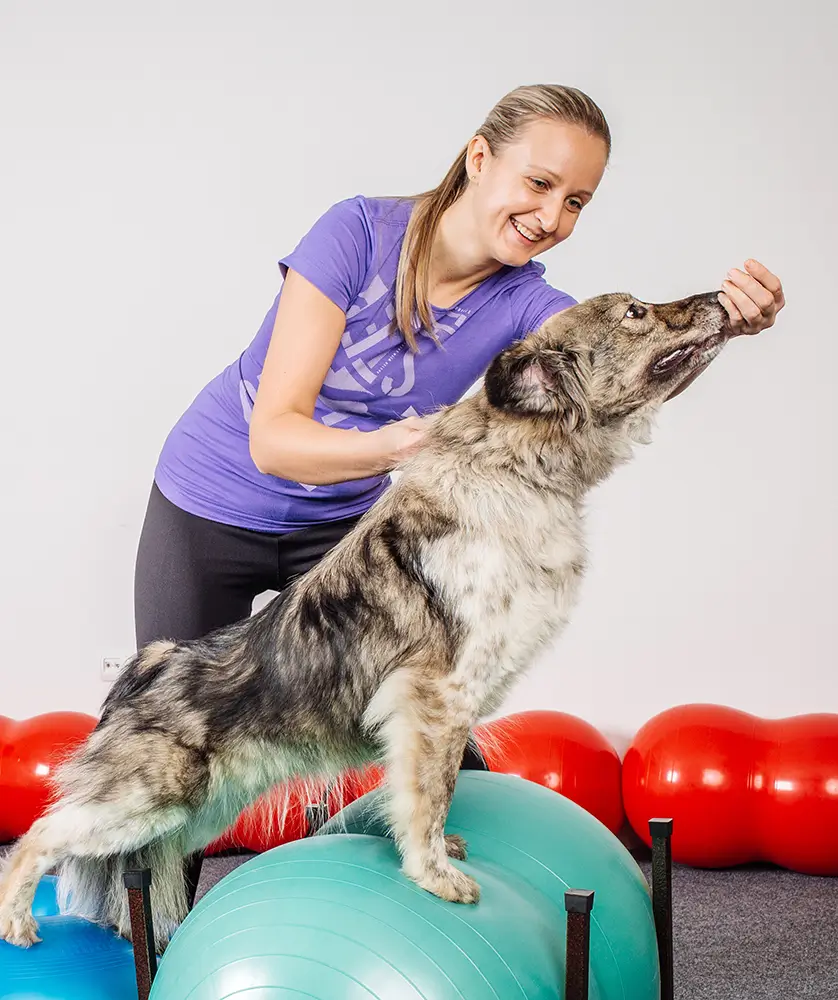
DISCOVER MORE: Click here to learn about effective dog training methods
Crafting the Right Exercise Plan
Creating an effective exercise routine for senior pets isn’t just about keeping them moving—it’s about understanding their unique physical and emotional needs as they age. Recognizing what activities are suitable for older animals can ensure they remain active without the risk of injury. Tips for crafting an appropriate routine include several key aspects to consider, which will enable you to tailor exercise to fit your furry friend.
Assessing Your Pet’s Health
The first step in creating an exercise plan for a senior pet is to consult your veterinarian. An in-depth assessment will provide insight into your pet’s overall health status, including any underlying conditions that may affect their ability to exercise. Health issues such as arthritis, heart disease, or reduced lung capacity are common in older animals and can dictate the type and intensity of activity that is appropriate. Therefore, collaborating with your vet is critical in determining a safe exercise regimen.
Incorporating Variety
To keep your senior pet engaged, it’s crucial to incorporate a variety of activities into their routine. Different forms of exercise can target various muscle groups and help maintain overall fitness. Consider the following activities:
- Gentle Walking: Daily walks at a comfortable pace can stimulate both physical and mental wellbeing. Aim for short walks that can be adjusted based on your pet’s stamina.
- Swimming: As mentioned previously, swimming is low-impact and can enhance cardiovascular health while being easy on the joints.
- Interactive Play: Engage your senior pet in light play using toys like feather wands or soft balls. This promotes physical activity without excessive strain.
- Scent Games: Hide treats around the house or in the yard for your pet to find. This provides mental stimulation and encourages them to move around without the pressure of intensive physical exertion.
- Stretching Exercises: Incorporating gentle stretches can help maintain flexibility, which decreases with age. Simple movements like bending and reaching can be beneficial.
It’s equally important to establish a routine that can be adapted over time. As your pet ages, their ability to engage in activities may change, so being flexible with your schedule will make the transition smoother. Additionally, strive to keep exercise fun and rewarding; using treats or praise can motivate your pet to participate actively.
Creating a Safe Environment
When planning an exercise routine for senior pets, safety is paramount. Always conduct activities in a controlled environment to minimize the risk of accidents. For instance, if your pet enjoys outdoor walks, choose a soft surface like grass or dirt trails, and steer clear of high-traffic areas where they might be overwhelmed or scared. Provide access to water and allow for breaks, ensuring that your pet remains hydrated and comfortable during any activity.
By focusing on these foundational aspects, you can create an exercise routine that enriches your senior pet’s life. Monitoring their reaction to new activities and adjusting accordingly will not only help maintain their health but also strengthen the bond between you and your cherished companion.
Tips for Creating an Exercise Routine for Senior Pets
As our beloved pets age, their exercise needs and abilities change significantly. Designing a tailored exercise routine for senior pets is crucial for maintaining their health and quality of life. In the second part of our exploration into this topic, we will delve into specific strategies and considerations that pet owners should adopt.Incorporate gentle activities like walking or swimming, which are easier on the joints and muscles of senior pets. Regular walks not only provide physical benefits but also serve as a stimulating experience that engages their senses. Aim for short, consistent sessions rather than long, strenuous workouts. This approach ensures that seniors remain comfortable while progressively enhancing their stamina.Additionally, integrating mental stimulation into their routine can be just as important as physical activity. Activities such as puzzle toys or scent games promote cognitive health, which can decline in older pets. Finding a balance between physical and mental exercises ensures that your pet remains engaged and happy.Nutrition plays a pivotal role in supporting an active lifestyle for senior pets. Consult with your veterinarian about diet plans that cater to their aging needs. A well-balanced diet enriched with the right vitamins and minerals will provide the energy needed for exercise and support overall health. When crafting the exercise routine, consider your pet’s physical limitations, such as arthritis or obesity. Tailoring activities to their specific conditions can prevent injury and encourage longevity in their exercise habits. Always monitor their behavior during activities; if your pet shows signs of discomfort or fatigue, it may be time to adjust the routine. Lastly, consistency is key. Regular exercise fosters a sense of security for senior pets, as their bodies become accustomed to a predictable routine. This can lead to stress reduction and improved mental well-being. Taking deliberate steps to create a sustainable exercise plan not only preserves your senior pet’s physical fitness but also enhances their emotional health.
| Exercise Type | Benefits |
|---|---|
| Gentle Walks | Promotes cardiovascular health and aids in weight management. |
| Swimming | Low-impact exercise that supports joint health and increases muscle strength. |
| Puzzle Toys | Stimulates mental agility and helps reduce anxiety. |
By thoughtfully creating an exercise routine reflective of your senior pet’s unique needs, you contribute significantly to their well-being and happiness. Explore these options and consult professionals when necessary to keep your furry companion thriving in their golden years.
LEARN MORE: Click here to discover the benefits of positive reinforcement
Monitoring and Adjusting the Routine
Once you have laid the groundwork for an exercise routine, the next step involves monitoring your senior pet’s progress. Like humans, pets may exhibit varying energy levels from day to day. It is essential to keep a watchful eye on their behavior, noting any signs of discomfort or fatigue. By observing how your pet reacts to different activities, you can better tailor the routine to suit their needs. For instance, if they seem hesitant during certain activities or take longer to recover, consider modifying the intensity or duration of those exercises. This ongoing assessment not only ensures their safety but also keeps their exercise regimen enjoyable.
Understanding Body Language
Senior pets often communicate their comfort levels through body language. Recognizing common signs of stress or discomfort can help you make timely changes to their exercise routine. For instance:
- Whining or Whimpering: These sounds may indicate discomfort, so it is essential to pause the activity and check in on your pet.
- Excessive Panting: While panting can be a natural response to exertion, excessively rapid or heavy breathing may signal overheating or fatigue.
- Reluctance to Move: If your pet shows reluctance or hesitance to participate in activities they once enjoyed, this may require a reevaluation of their exercise routine.
By being attuned to these expressions, you can help ensure that your pet’s exercise experience is pleasant and safe. Pay close attention during each session, encouraging them while still respecting their limits.
Incorporating Mental Stimulation
Don’t forget that mental exercise is just as crucial as physical exercise for senior pets. Activities that stimulate your pet’s mind can positively impact their overall well-being. Incorporate mental enrichment activities into your routine, such as:
- Puzzle Toys: These toys challenge your pet to figure out how to retrieve treats, engaging their cognitive functions while keeping them physically active.
- Obedience Training: Although your senior pet may already know some tricks, refreshing their training can provide mental stimulation and reinforce your bond.
- New Routes on Walks: Change up your walking routes to expose your pet to different sights, sounds, and smells. This exploration can invigorate their senses.
Combining physical and mental activities creates a well-rounded exercise routine that captures your pet’s interest while helping to keep their mind sharp.
Befriending Other Animals
Socialization can also play a vital role in your senior pet’s exercise routine. Engaging with other pets not only provides an excellent outlet for physical energy but also offers emotional benefits. Consider organizing playdates with other friendly senior pets or gradually introducing them to younger animals, provided your pet is comfortable. Just make sure to supervise these interactions to ensure a safe environment for everyone involved.
Integrating these elements into your senior pet’s exercise routine can significantly contribute to their quality of life. By being attentive to their needs, encouraging mental challenges, and facilitating social interactions, you can create a fulfilling exercise experience that supports both their physical and emotional well-being. Remember, the goal is not only to keep them active but also to enhance their enjoyment and happiness as they grow older.
DON’T MISS OUT: Click here for essential dental care tips
Conclusion: Enhancing the Lives of Senior Pets Through Thoughtful Exercise
Creating an exercise routine for senior pets goes beyond mere physical activity; it’s an opportunity to enrich their lives and strengthen your bond. By thoroughly understanding your pet’s unique needs, monitoring their progress, and being attentive to their body language, you ensure a safe and enjoyable experience. Incorporating mental stimulation through activities like puzzle toys and obedience training complements physical workouts, enriching their cognitive health while keeping them engaged.
Moreover, fostering socialization with other pets not only provides emotional benefits but can also motivate your senior furry friend to stay active. Remember, consistency is key; however, it is equally important to adapt the routine as your pet ages and their capabilities change. Each small adjustment you make reflects your dedication to their well-being.
As you embark on this journey, encourage exploration and novelty in exercise to keep their curiosity alive. By blending physical, mental, and social elements into a cohesive routine, you can help your senior pet enjoy a happier and healthier lifestyle. So, take the time to reflect on what activities ignite joy in your pet; the efforts you put in today can lead to a more fulfilling tomorrow. Ultimately, it is not merely about keeping them active but also about nurturing their spirit as they gracefully age alongside you.