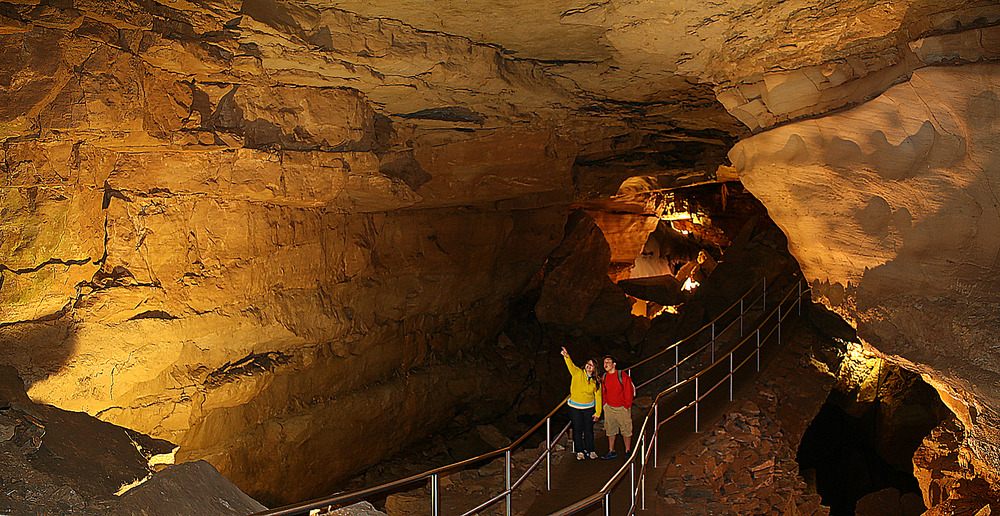
How Caves and Caverns Develop
Most large caves form when slightly acidic water slowly dissolves soluble rock, usually limestone, carving out underground passages over thousands of years.
Read the full article →Combine filters to find formations by what shaped them, where they occur, and how long they take to form.
1 filter active · 3 results.
Most large caves form when slightly acidic water slowly dissolves soluble rock, usually limestone, carving out underground passages over thousands of years.
Read the full article →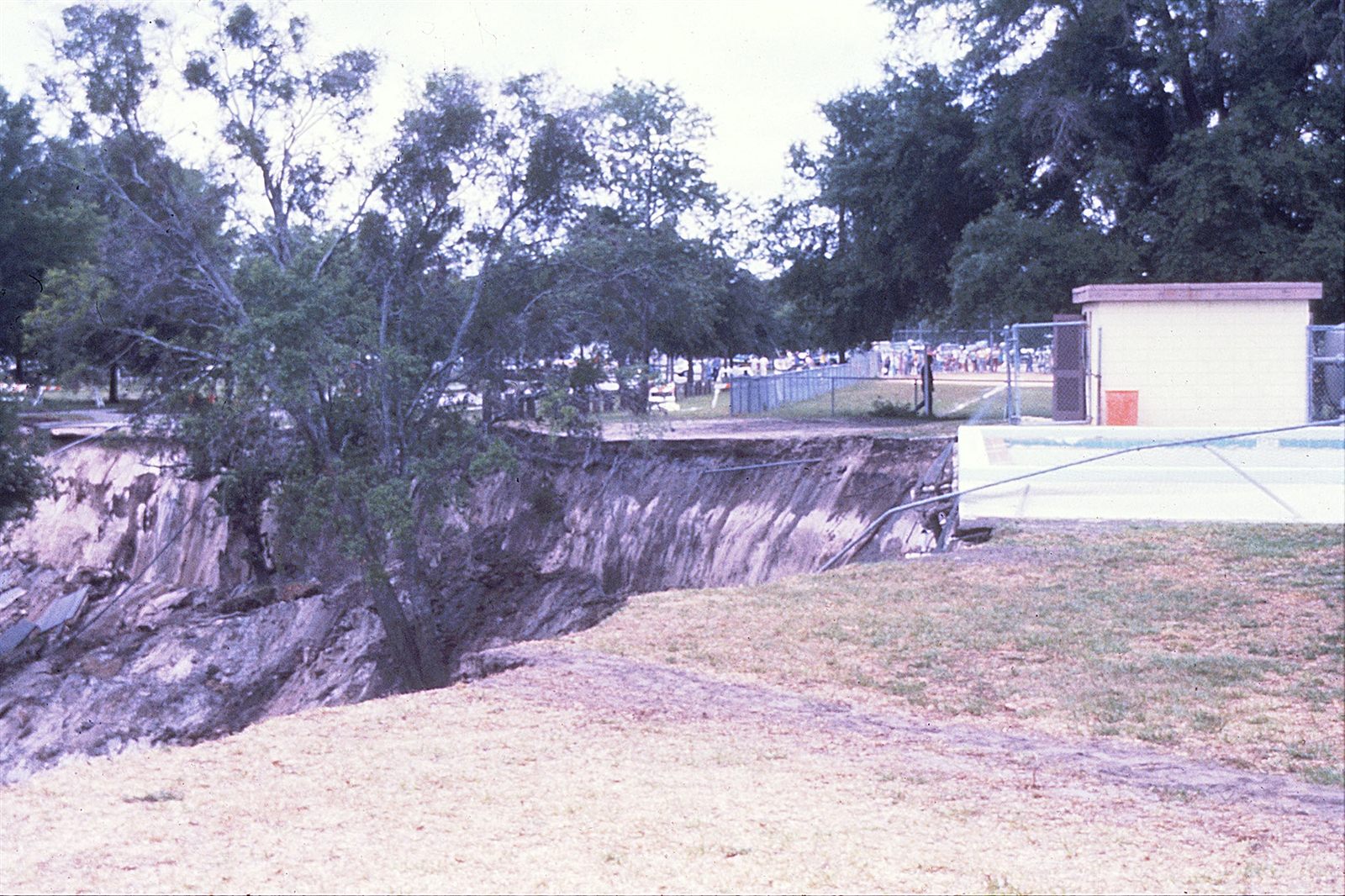
A sinkhole forms when an underground void, usually created by the slow dissolution of soluble rock, finally loses enough support that the ground above it collapses.
Read the full article →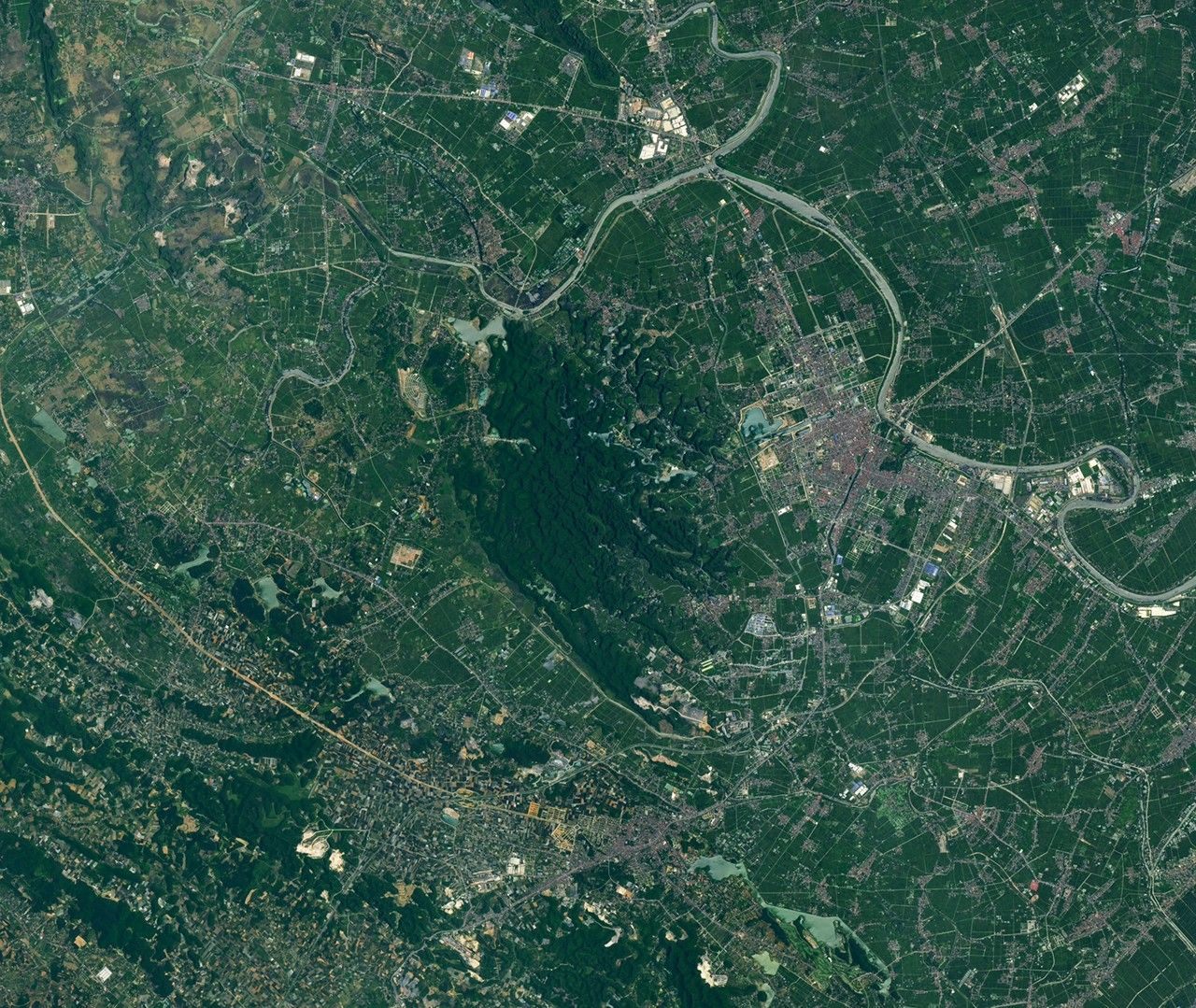
Karst landscapes form when slightly acidic rainwater slowly dissolves soluble rock such as limestone, producing caves, sinkholes, disappearing streams, and sometimes dramatic rock towers.
Read the full article →