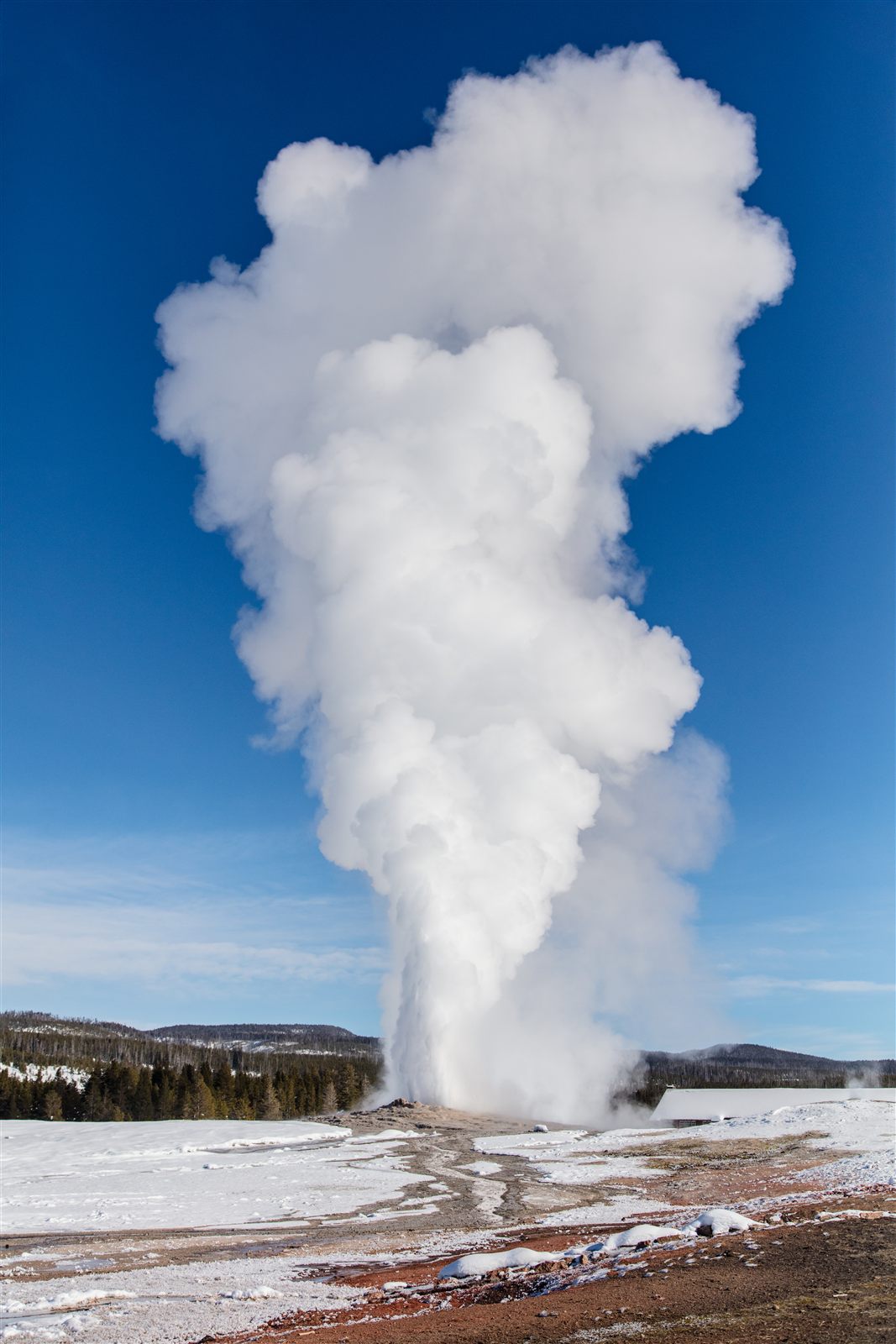
How Geysers and Hot Springs Work
Geysers and hot springs form where groundwater is heated by volcanic activity close to the surface; only a rare few develop the underground plumbing needed to erupt on a cycle.
Read the full article →Combine filters to find formations by what shaped them, where they occur, and how long they take to form.
1 filter active · 3 results.
Geysers and hot springs form where groundwater is heated by volcanic activity close to the surface; only a rare few develop the underground plumbing needed to erupt on a cycle.
Read the full article →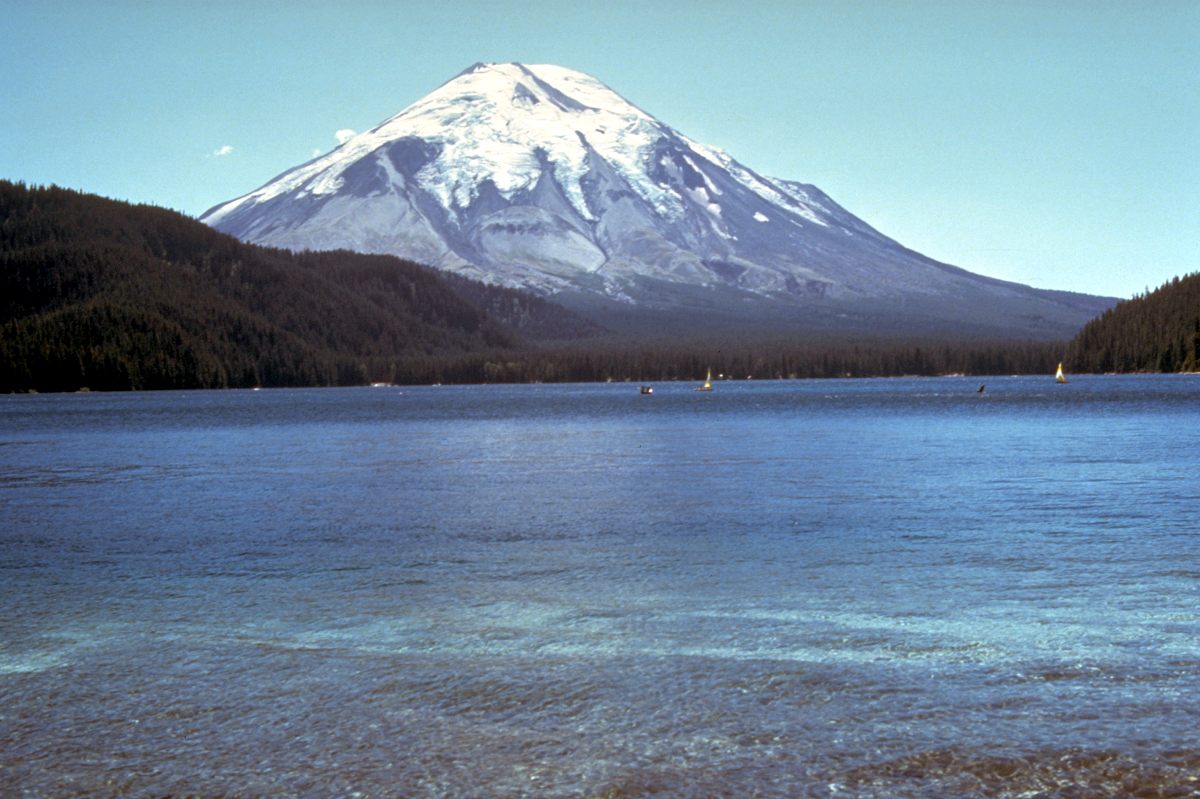
Volcanoes take on several distinct shapes depending on how fluid their magma is and how violently it erupts, from broad shield volcanoes to steep stratovolcanoes, small cinder cones, and collapsed calderas.
Read the full article →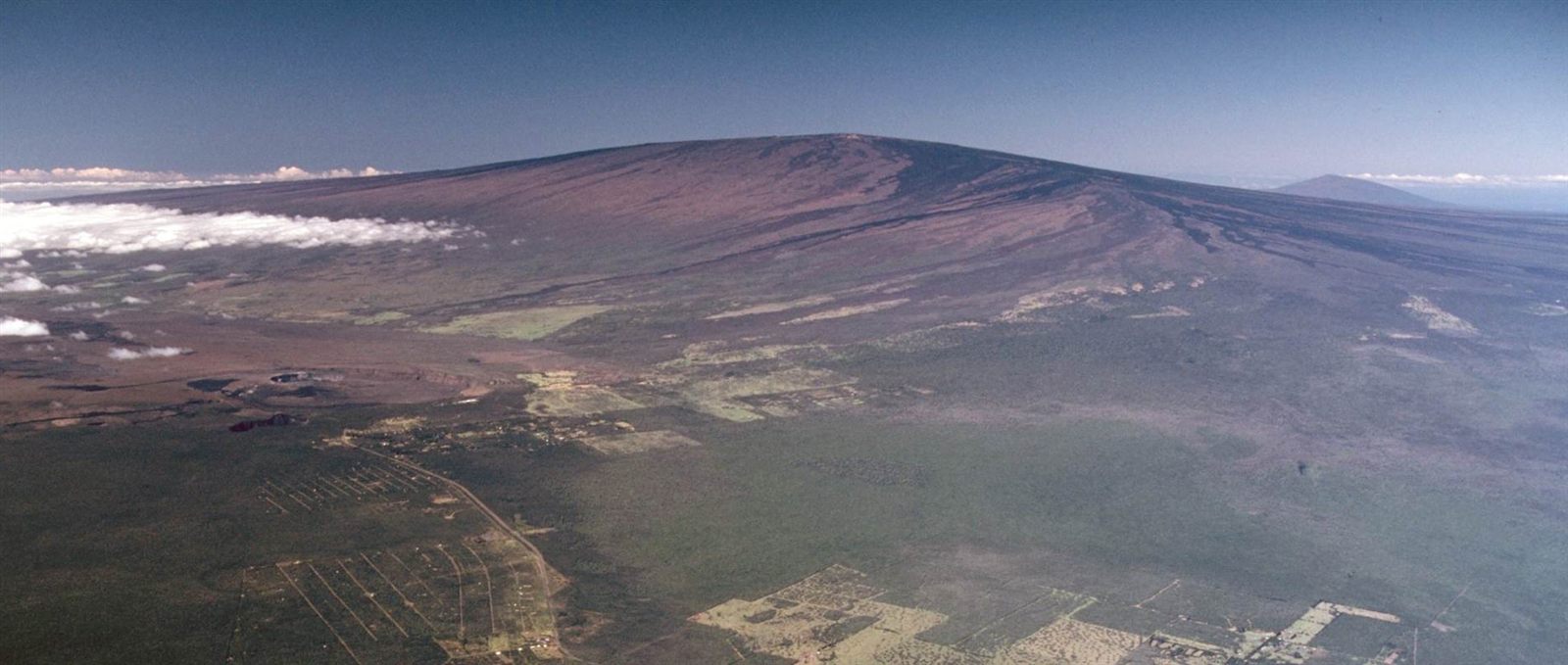
Islands form in two fundamentally different ways: volcanic islands are built from erupted material above hot spots or subduction zones, while continental islands are simply fragments of continental crust left isolated by rifting or rising sea levels.
Read the full article →