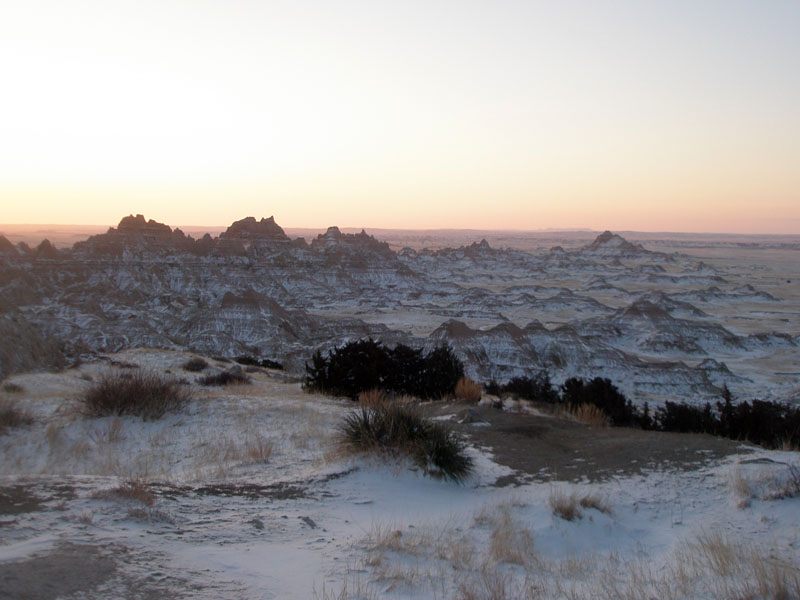
How Badlands Are Formed
Badlands form where soft, sparsely vegetated sedimentary rock is carved rapidly by intense, infrequent rainstorms into dense networks of ridges and gullies.
Read the full article →Combine filters to find formations by what shaped them, where they occur, and how long they take to form.
1 filter active · 4 results.
Badlands form where soft, sparsely vegetated sedimentary rock is carved rapidly by intense, infrequent rainstorms into dense networks of ridges and gullies.
Read the full article →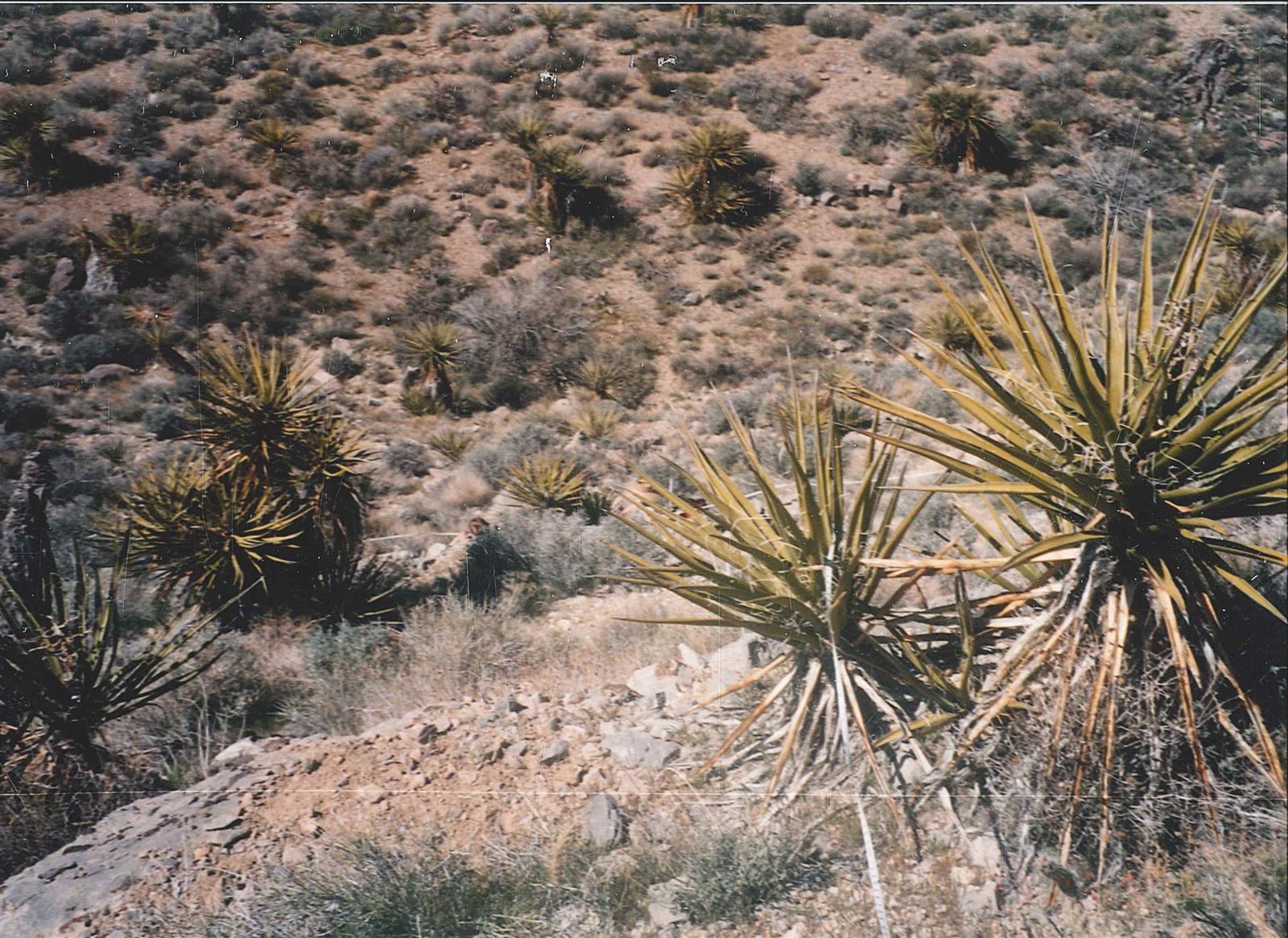
A desert forms wherever a region consistently receives very little precipitation, whether because of global air circulation patterns, distance from oceans, or the rain-blocking effect of mountains.
Read the full article →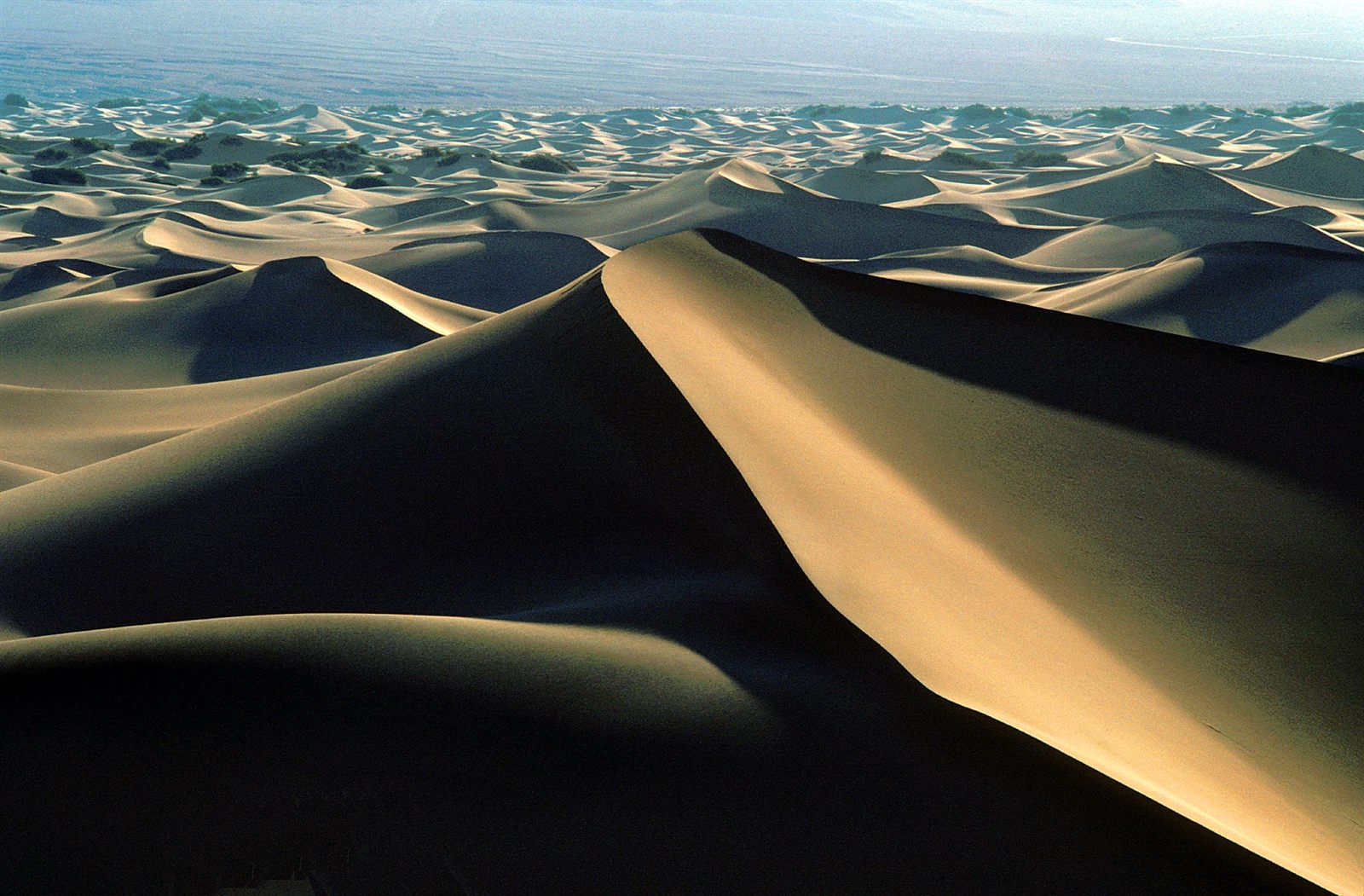
Sand dunes form when wind picks up loose sand and deposits it in mounds or ridges, which then migrate and change shape as wind conditions continue to act on them.
Read the full article →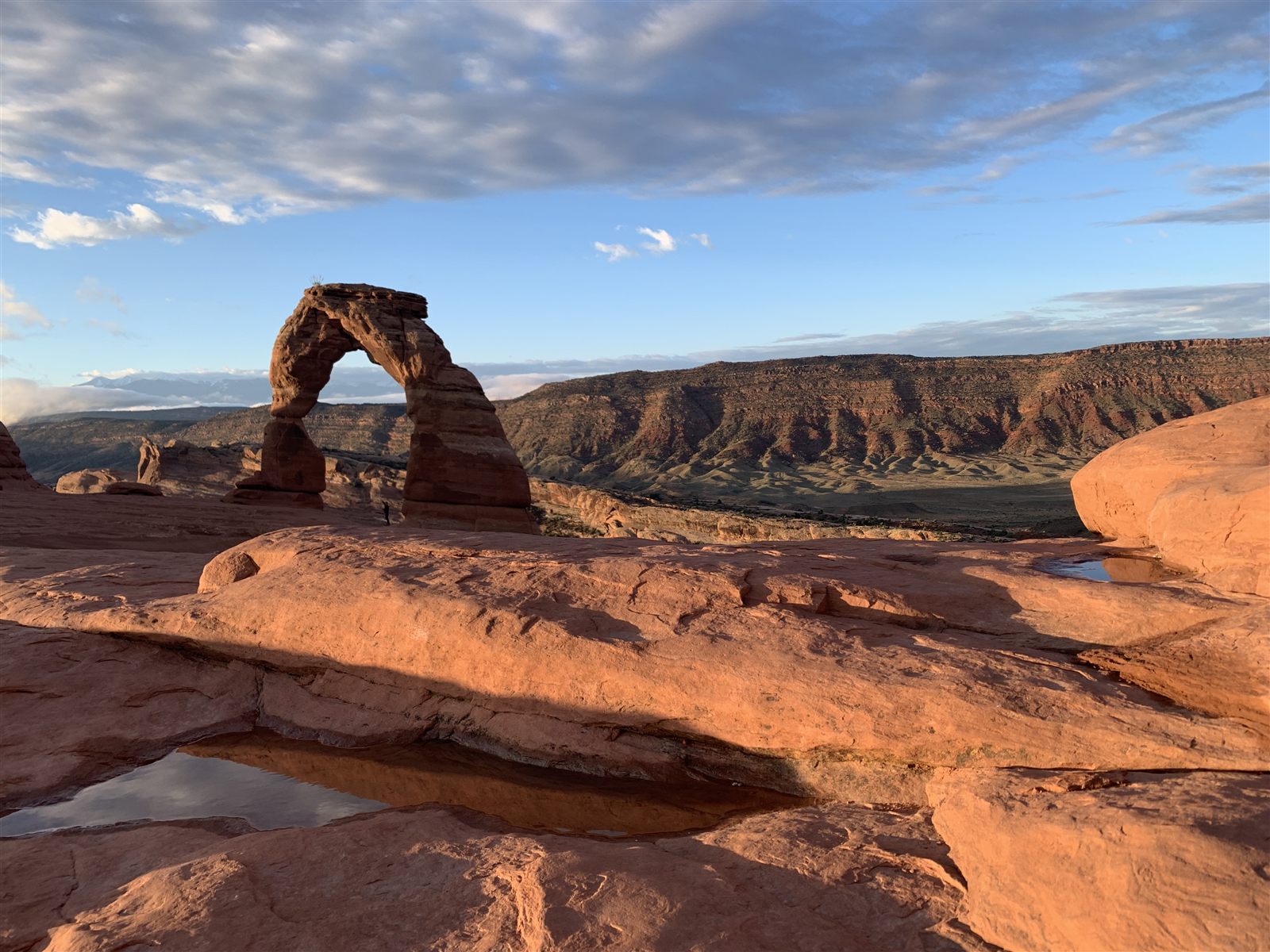
Natural arches form when erosion and weathering hollow out a weak section of rock inside a narrow fin or headland, leaving a freestanding span that will eventually collapse under its own weight.
Read the full article →