How Canyons Are Carved
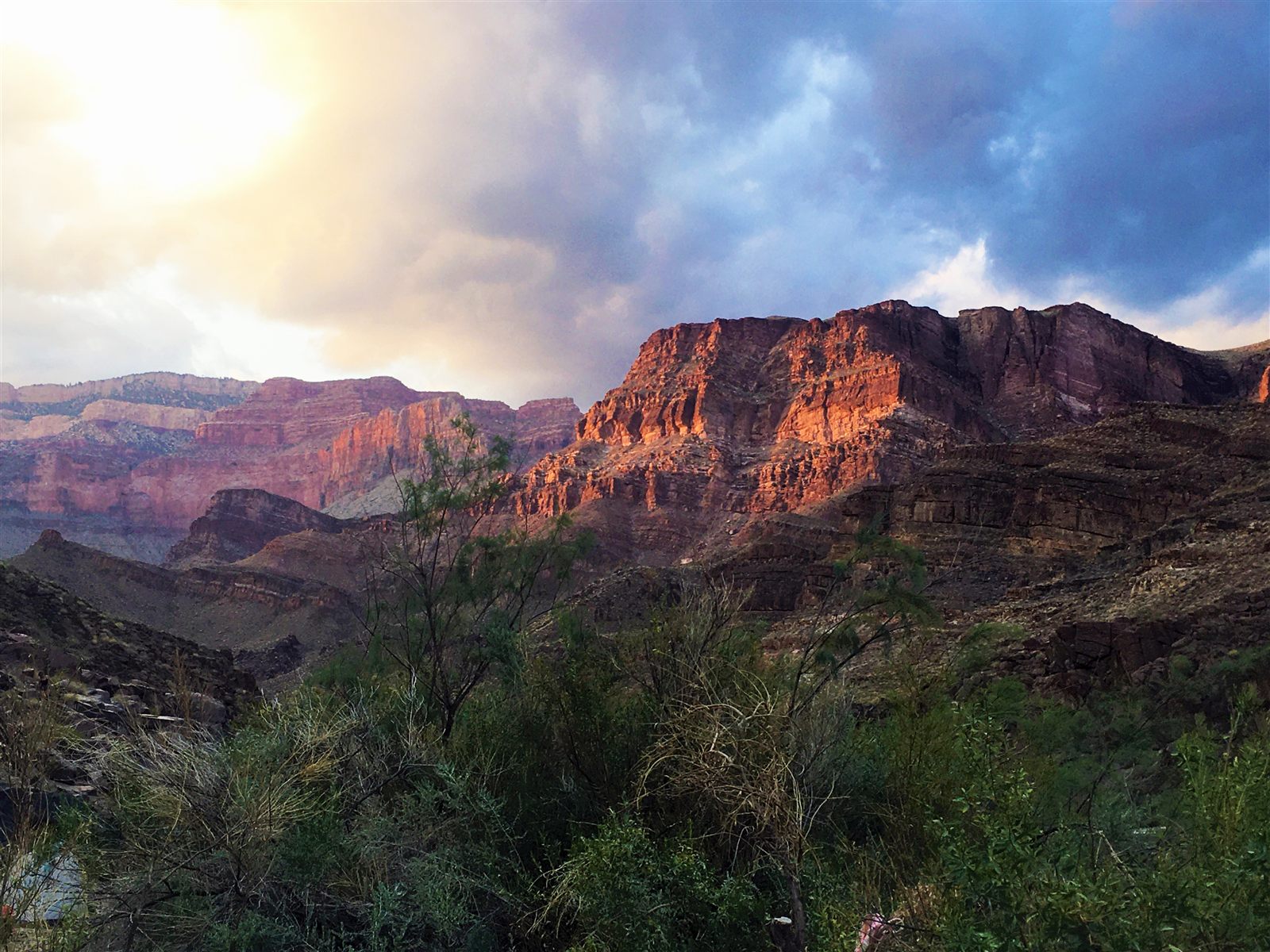
A canyon is a deep, narrow valley with steep walls, usually cut by a river into rock that is being slowly raised by tectonic forces.
Read the full article →Combine filters to find formations by what shaped them, where they occur, and how long they take to form.
1 filter active · 4 results.
A canyon is a deep, narrow valley with steep walls, usually cut by a river into rock that is being slowly raised by tectonic forces.
Read the full article →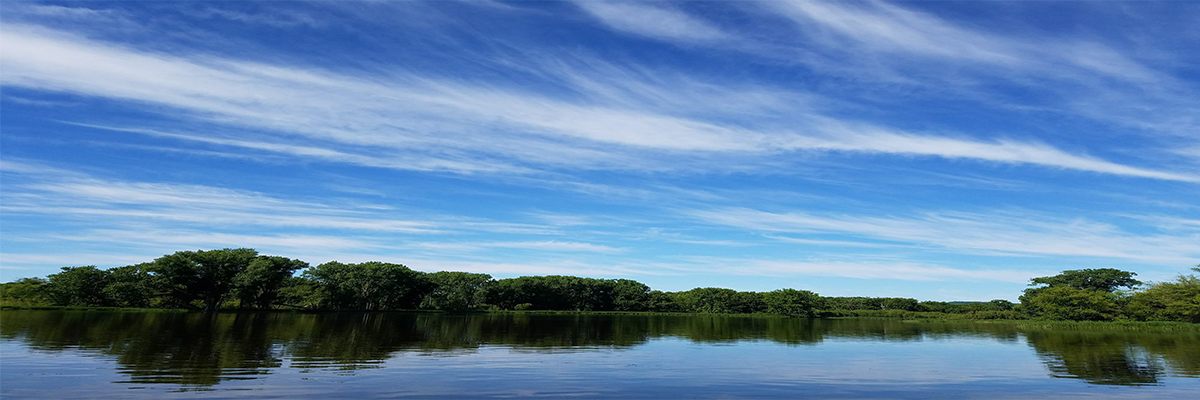
A floodplain is the low-lying land bordering a river that is periodically covered by overflowing water, which deposits fresh sediment and gradually builds up the surrounding ground.
Read the full article →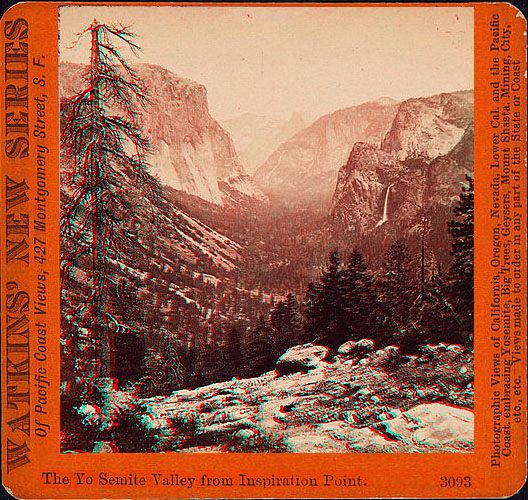
Valleys are long, low-lying corridors between higher ground, most often cut by flowing rivers and later widened or reshaped by glaciers and shifting crust.
Read the full article →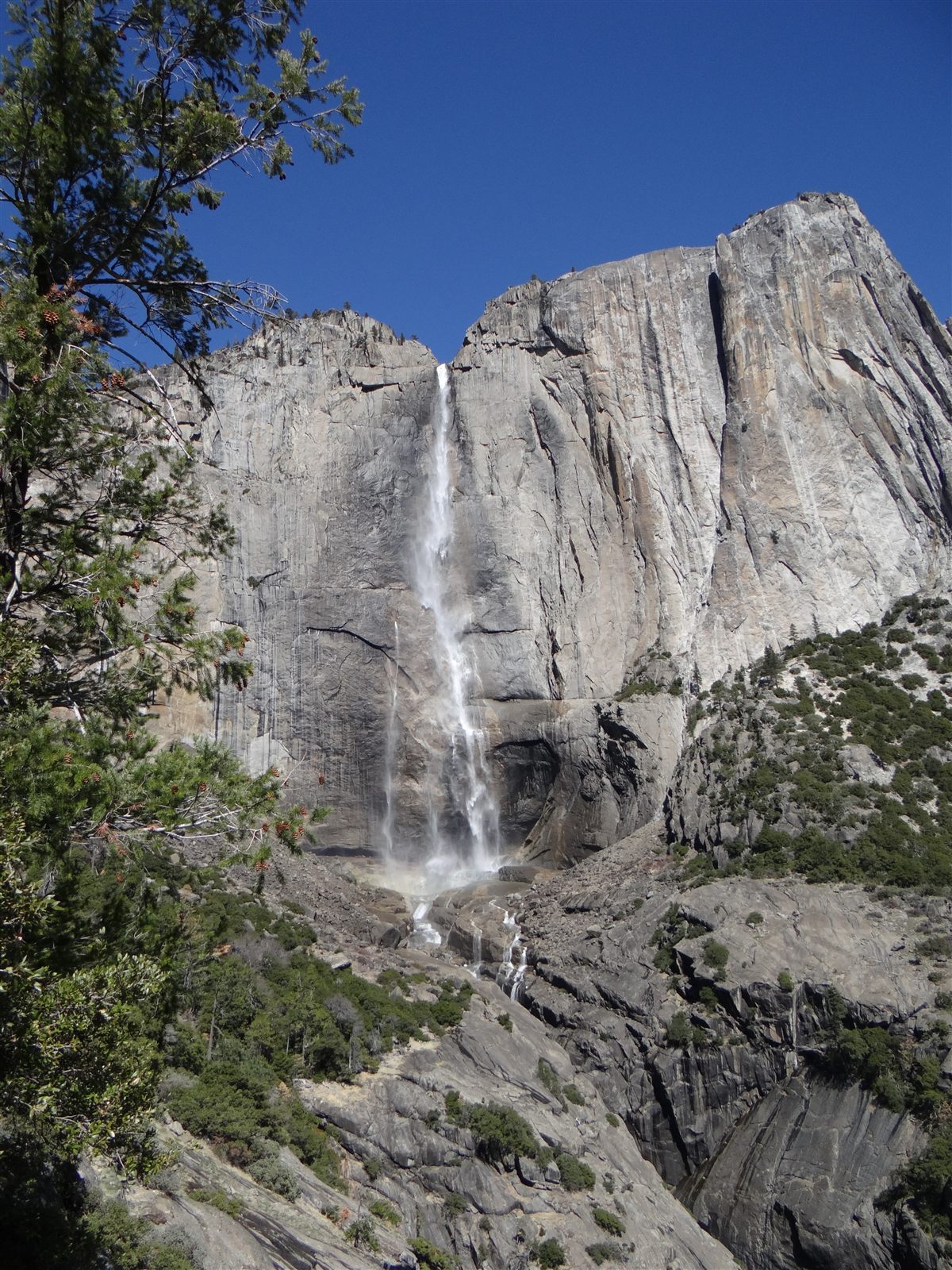
Waterfalls form wherever a river drops abruptly over a steep break in elevation, usually created by differences in rock hardness, and they continue to reshape themselves for as long as water keeps flowing over them.
Read the full article →