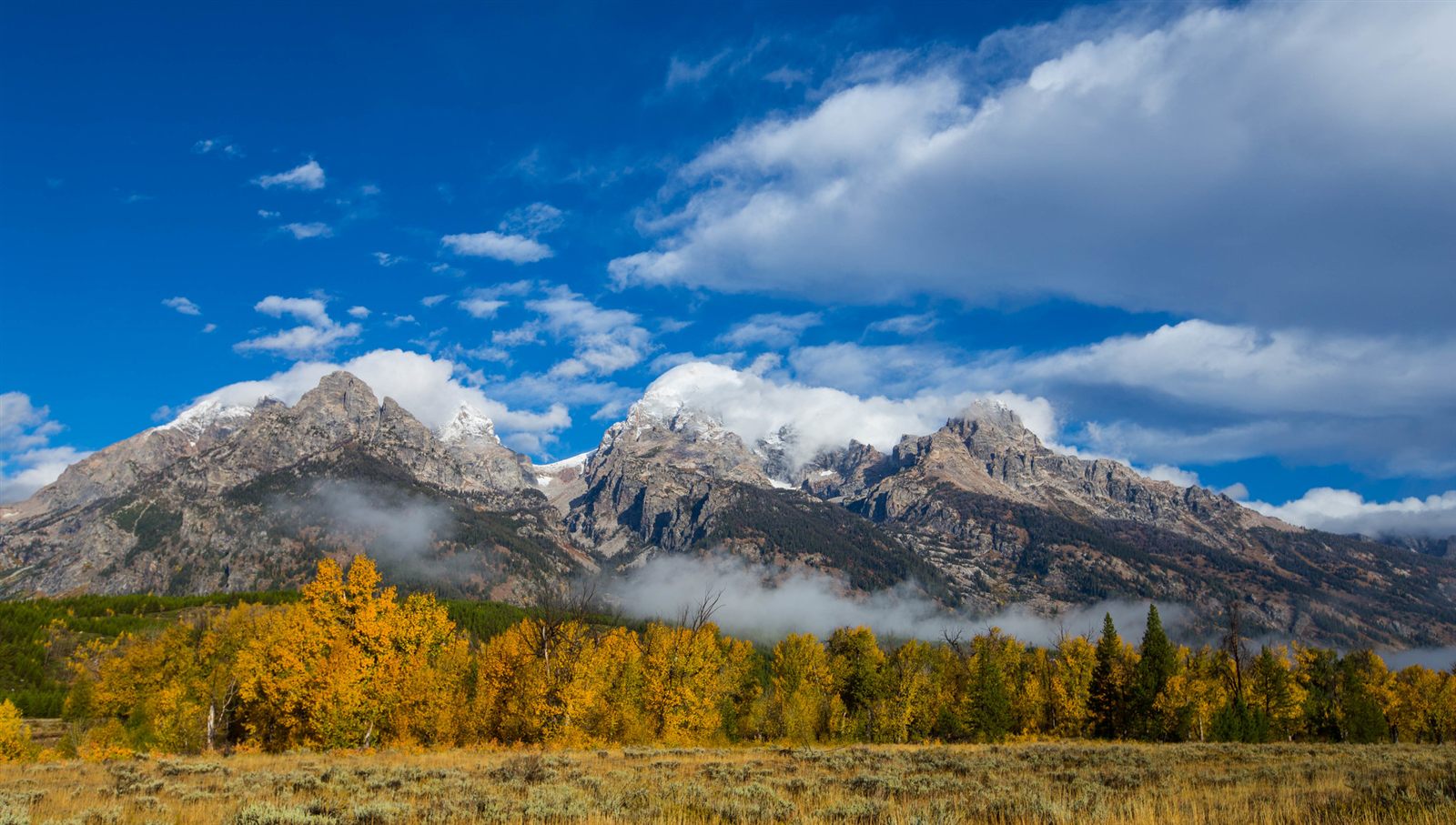
How Mountains Form
Most of the world's great mountain ranges were raised by the slow collision of tectonic plates, then sculpted into peaks and ridges by ice, water, and wind.
Read the full article →Combine filters to find formations by what shaped them, where they occur, and how long they take to form.
1 filter active · 4 results.
Most of the world's great mountain ranges were raised by the slow collision of tectonic plates, then sculpted into peaks and ridges by ice, water, and wind.
Read the full article →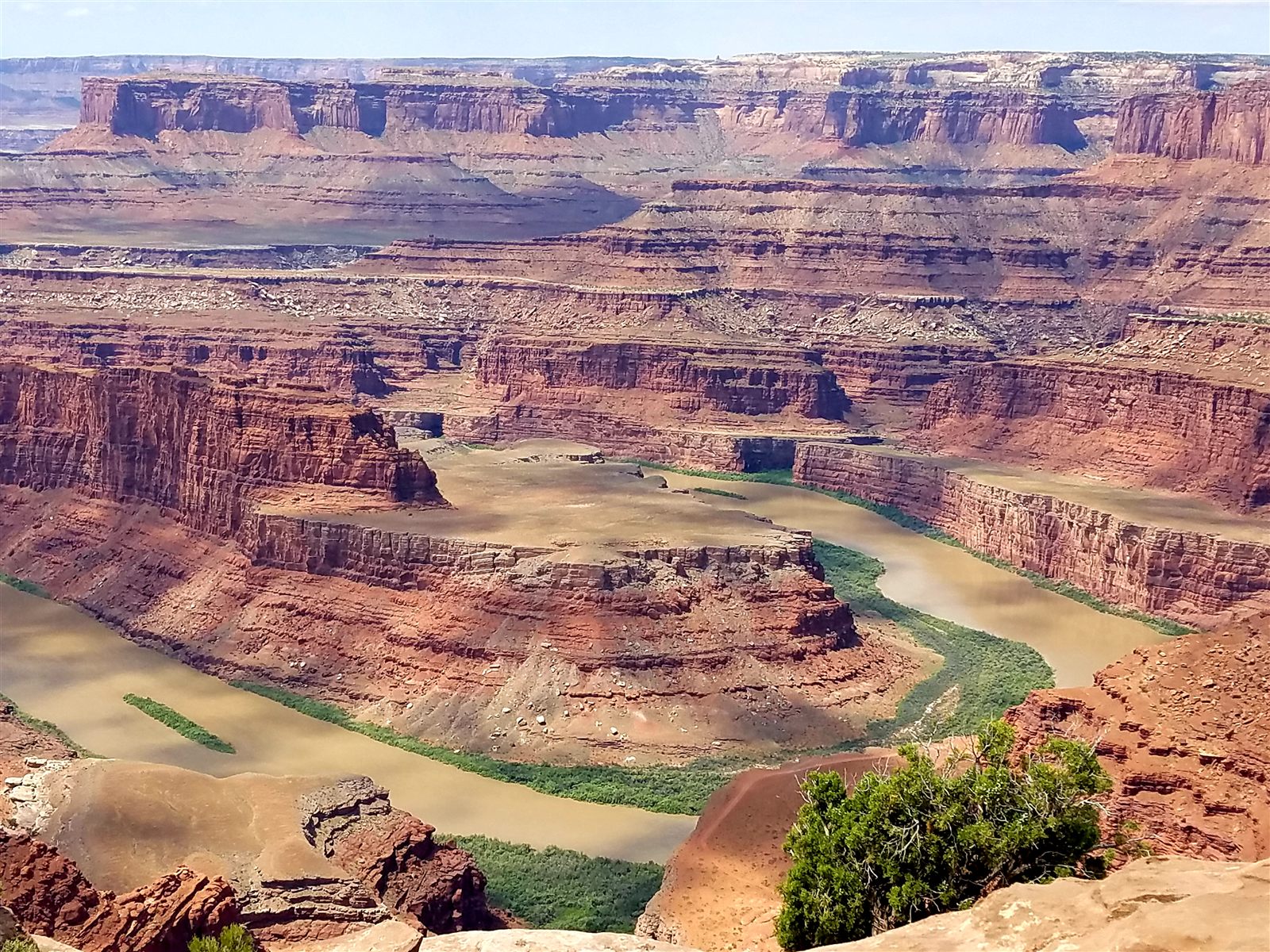
A plateau is a broad, elevated area of relatively flat land, raised largely intact by tectonic uplift or built up from repeated layers of volcanic rock.
Read the full article →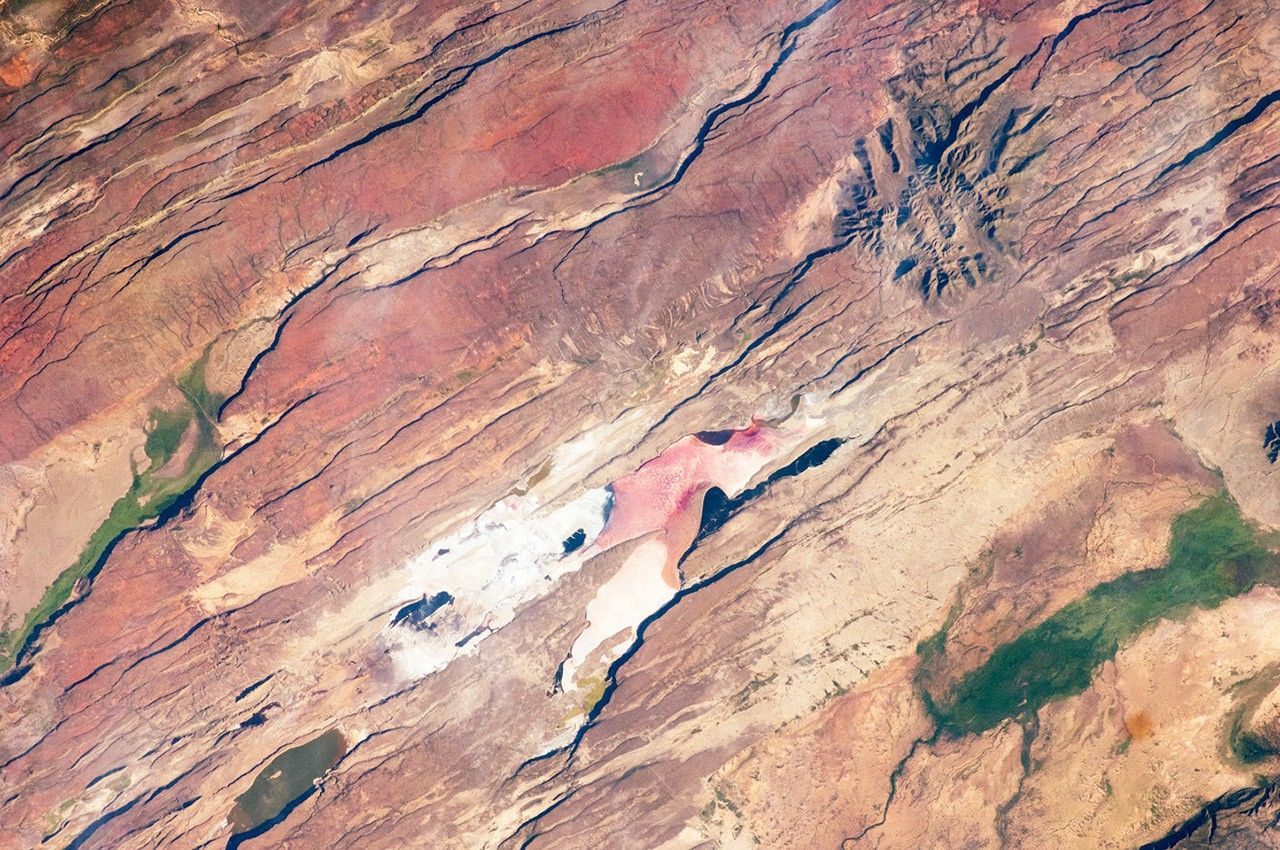
A rift valley forms where tectonic plates pull apart, stretching and thinning the crust until a section of it drops down between parallel fault lines.
Read the full article →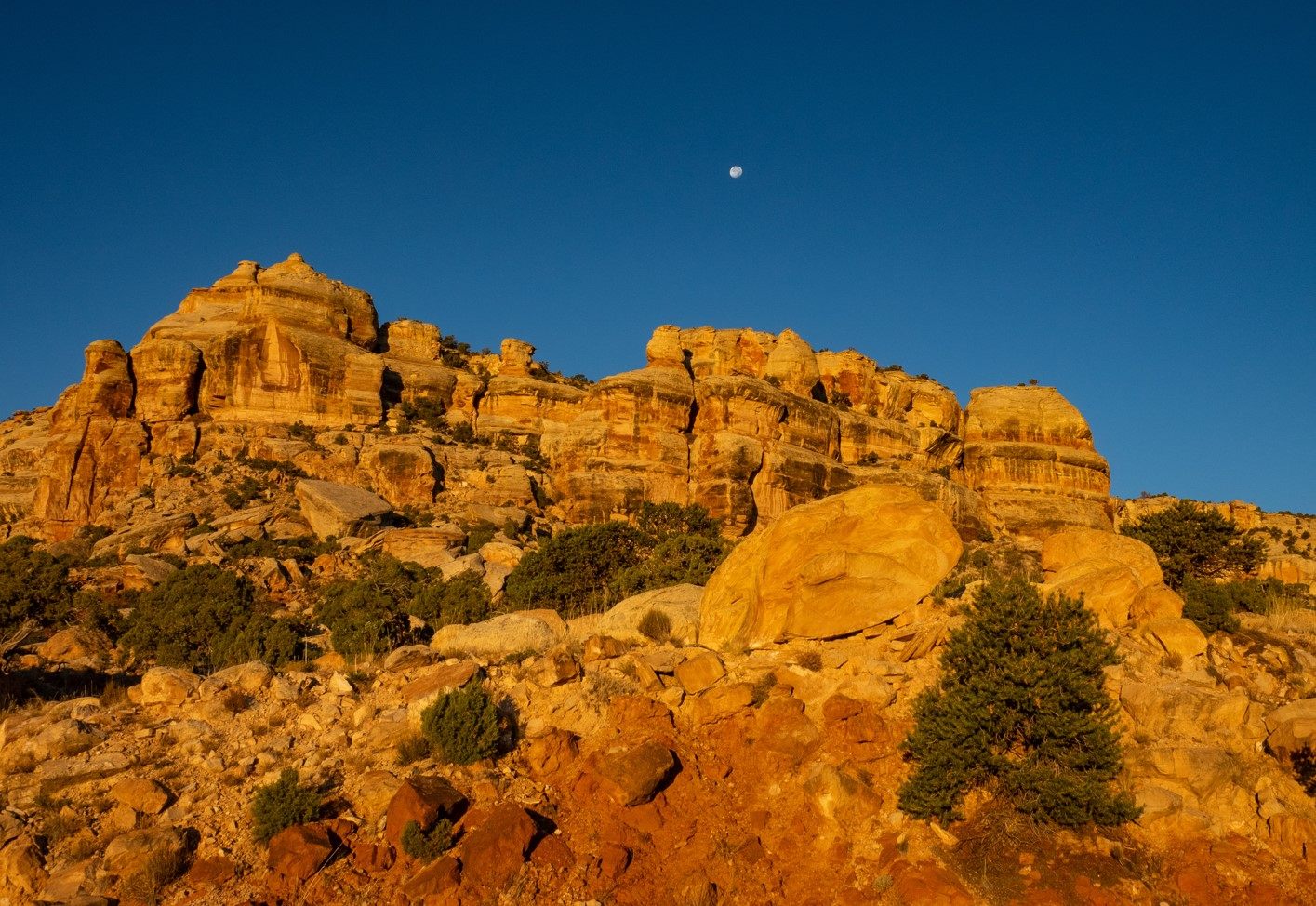
Natural landscapes form at wildly different speeds because rock hardness, the strength of the forces acting on it, and how continuously those forces act all combine differently from place to place, ranging from a single rockfall to tens of millions of years of mountain building.
Read the full article →